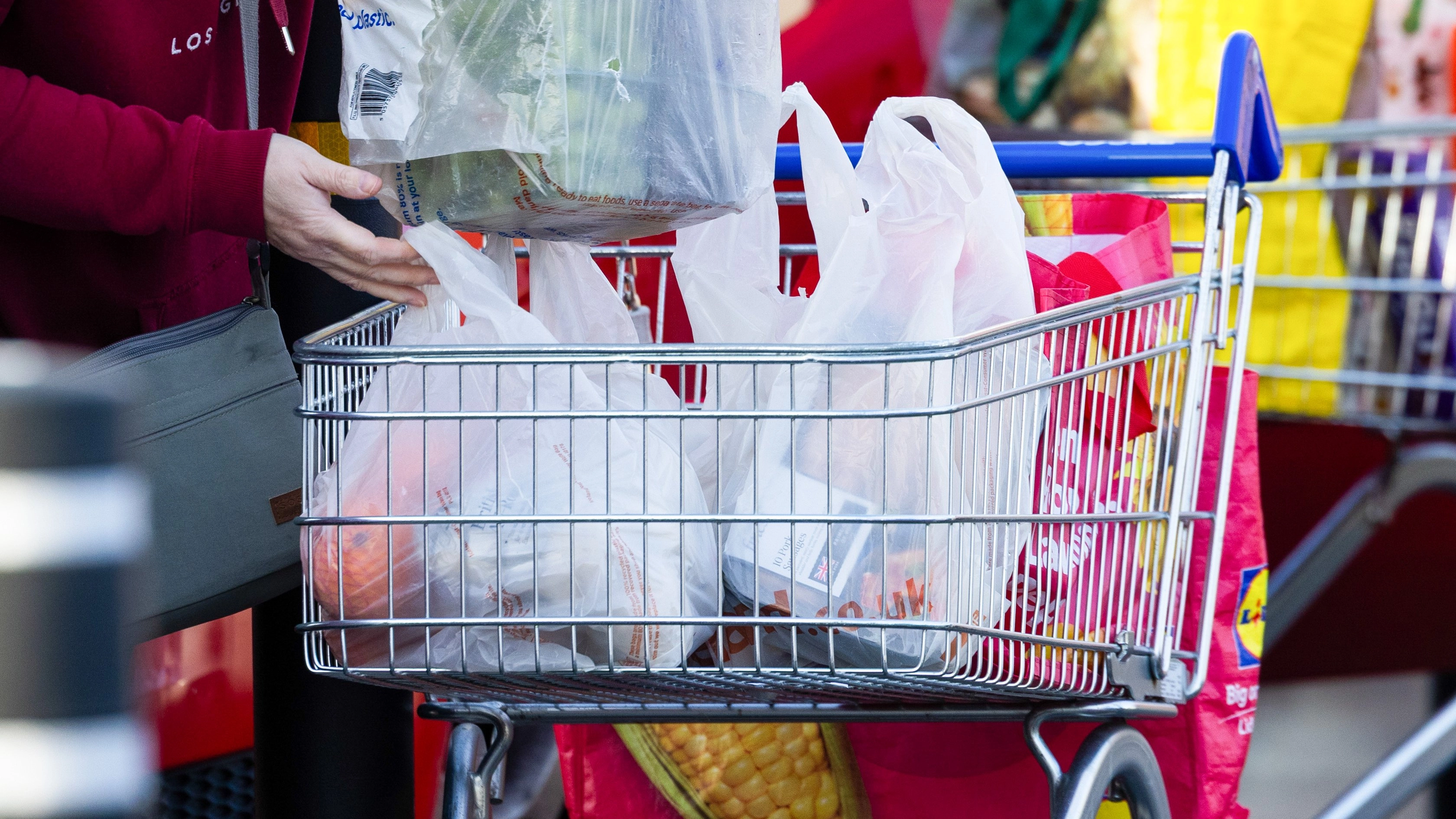
List of storecupboard items you should have stockpiled amid warning on UK emergency plans

Britons should be stocking up on a myriad of food items amid alleged government plans to tackle future emerging threats, experts have suggested.
The art of the stockpile: collecting dried goods and items with long shelf lives; storing them in your cupboard and hauling them out during droughts, flooding, food shortages, or imminent hostile state attacks.
Whilst hoarding items is usually frowned upon, reports claim the government may begin advising UK residents to build up their food trove in the event of a crisis.
This is apparently so that ‘immediate government resources’ can be freed up for the most vulnerable people if World War III, cyberattacks, or extreme weather events were to hit the nation.
Advert
The reported advice was published by The Financial Times on Wednesday (26 August); the publication claims it coincides with an ‘internal reassessment of government preparations for a military attack by a hostile state affecting Britain’ and comes as part of the Labour government’s so-called ‘War Book’.
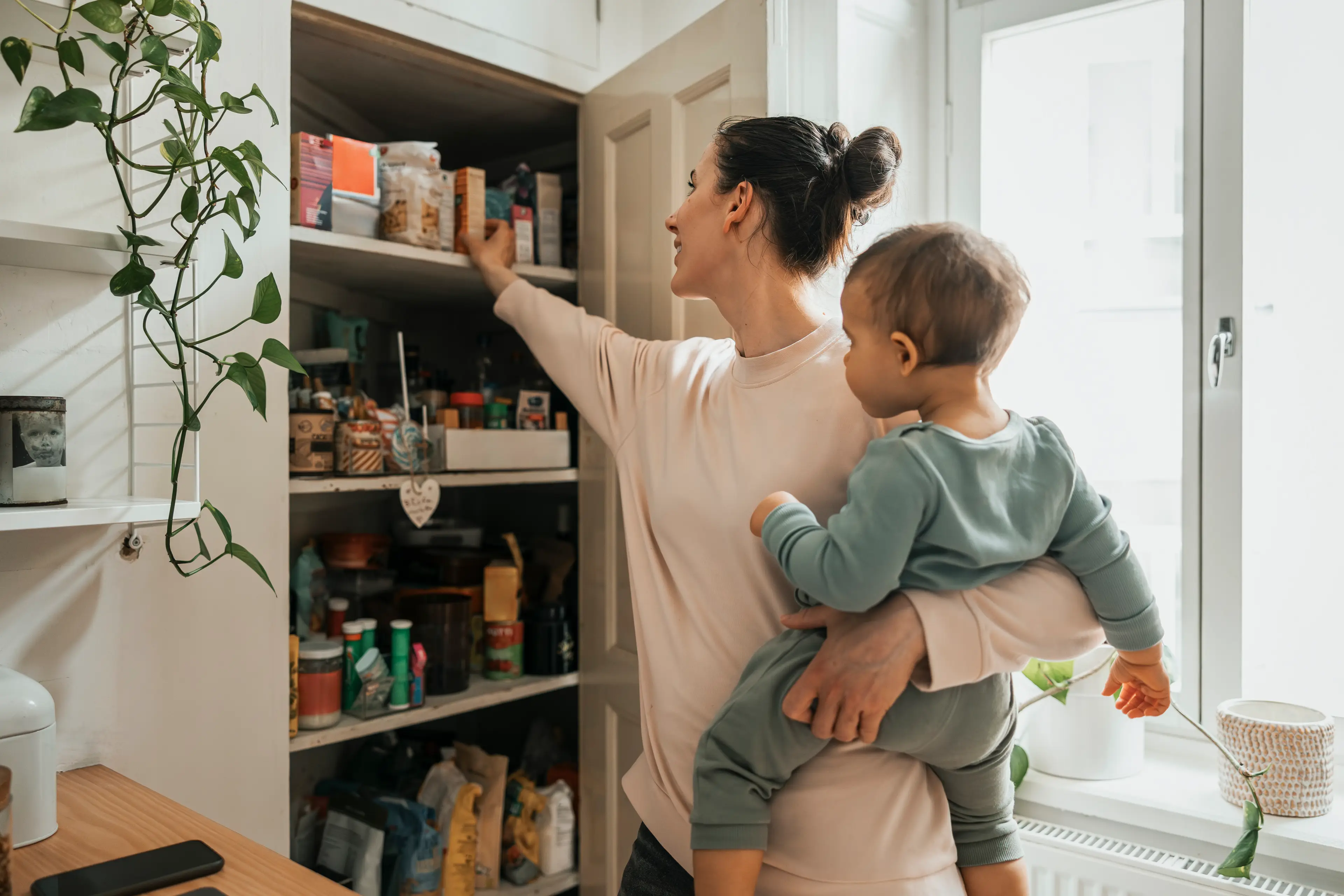
In light of the report, Stephanie Baker, registered nutritionist and founder of Stephanie Jayne Nutrition, said 20 supermarket staples should be prioritised when stocking up your emergency stores.
She told Metro that the items will bulk out main dishes such as curries, create soups, and make snacks such as delicious oat bars.
Canned items
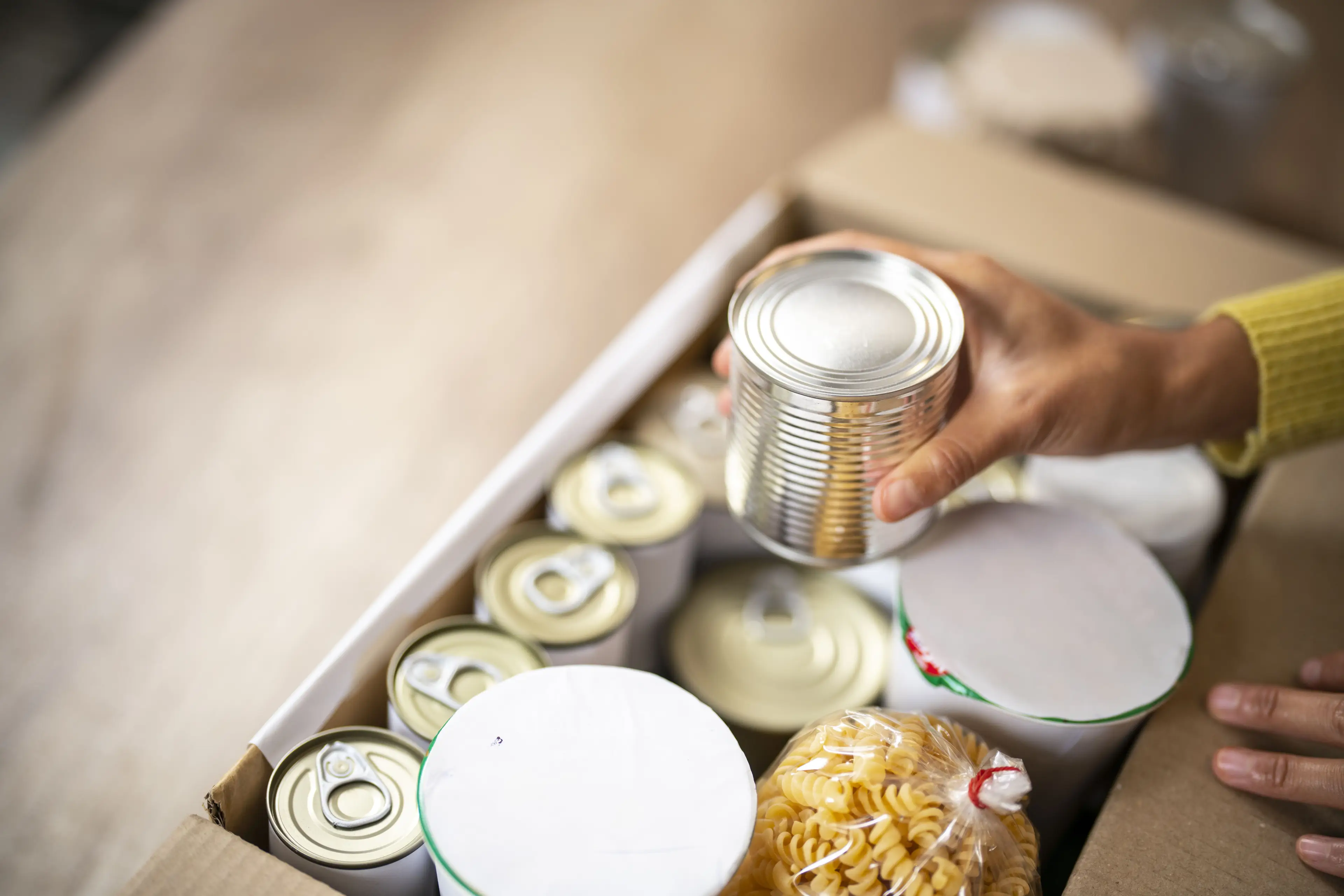
Tinned products, including coconut milk, chickpeas, kidney and cannellini beans, fish items like tuna and sardines, and vegetables (chopped tomatoes and sweetcorn), have all made the nutritionists’ list.
"Generally speaking, there's a wide range of canned foods that you could eat - from fruit, veg, potatoes and pulses to fish and ready-made foods like soup, baked beans or chilli,” Bridget Benelam, a nutrition scientist at the British Nutrition Foundation, told the BBC in 2019.
"And some of them are nutritionally better than others. Tinned oily fish like salmon, for example, is healthy. And beans and pulses, like chickpeas and lentils, are a good source of protein and fibre while being low in fat.”
Benelam did warn that nutrients like vitamin C and thiamine can often be lost or diminished during the canning and cooking process.
“Nutritionally, it could be OK, as long as you get a good mix. My main concern would be the tedium. The texture could be quite dull. Food can get a bit mushed and squished when it is canned,” she added.
Gabriela Peacock, nutritionist and founder of GP Nutrition, told Metro to check labels and, where possible, choose ‘options without lots of added salt or sugar.’
Packaged carbohydrates
Anyone thinking of stockpiling should purchase carbs, including pasta, oats, and red lentils, as per Baker.
The versatile often have long sell-by dates and, once cooked and cooled, will ‘allow your body to digest them more slowly, helping to keep energy levels steady, prevent sugar crashes, and keep you fuller longer’, Yaa Boayke, a registered dietitian nutritionist and personal trainer based in Chicago, told National Geographic.
Séamus Higgins, author of Food and Us: The incredible story of how food shapes humanity, has warned that stockpiling rice and flour may not be a good idea.
“I’ve seen people say they store huge bags of rice and flour, which might be wise but make sure it’s stored properly – ie doesn’t get damp or infested – and that you use and replace bags as and when, so they don’t go out of date,” he told The i Paper.
Other store-cupboard essentials
When making emergency meals, stock cubes, your favourite spices, tomato puree, and olive oil will come in handy—as will dried fruit, nuts, and peanut butter.

The latter is not only a ‘winning comfort food’ but can also be used in both sweet and savoury recipes.
You could use a spoonful to make granola bars, and another to marinate chicken.
In terms of drinks, UHT dairy and long-life, plant-based drinks are on the list, as are bottles of squash and long-life juices.
Freezer foods
Not everyone will have access to a freezer if and when a crisis hits. If you do, then Higgins suggests stocking it with vegetables, berries, fish, and bread.
“The aim isn’t to hoard but to focus on versatility and rotation: buy what you use and use what you buy,” he claimed.
Bottled water
It’s very likely that when disaster strikes, our water supply could be compromised.
Mitigate the risk of not having anything to drink by purchasing and storing bottles of water.
A source told The Financial Times that having water in your cupboard is just ‘common sense’.
Cabinet Office statement
In a statement to The Guardian, a spokesperson from the Cabinet Office confirmed that ‘safeguarding national security is the first priority of any government’.
“We’re committed to raising awareness of simple steps households can take to make themselves more resilient, as well as driving forward the home defence programme to build our country’s preparedness for various threats,” they added.
Warning comes after disposable barbecue ban
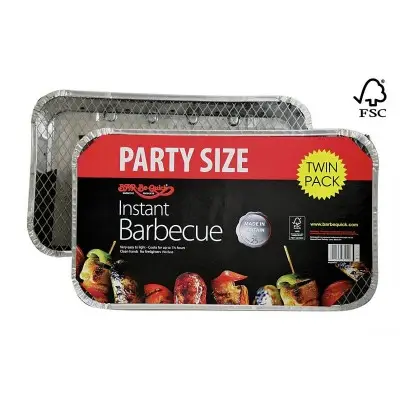
The government’s reported stockpiling alarm comes just weeks after the sale of disposable barbecue was suspended in supermarkets amid raging wildfires.
The call was made after more than ten major fire incidents were declared across the UK during worrying drought conditions, according to Chair of the National Fire Chiefs Council (NFCC), Phil Garrigan.
At the time, Prime Minister Andy Burnham said: “The big risk in terms of risk to the wider regions across the country is the risk of wildfires. What we are seeing is multiple serious incidents across the country.
"Fire services, by and large, are supporting each other through mutual aid to deal with those incidents but we are keeping a very close watching brief on them.”
He continued, claiming that his team would be looking into whether a permanent disposable barbecue ban in summer months is ‘justified’.
 Ella Scott