List of emergency foods to stock up on amid food supply chain disruption warnings

Experts have warned that British residents may need to stock up on cupboard staples including oats, tinned fruit, and oily fish to combat possible food shortage struggles, according to reports.
You can proudly call yourself a stockpiler if you have a large quantity of edible items in your pantry or kitchen to use during a future shortage or emergency, such as a supply chain issue.
The UK government is allegedly hoping to make stockpiling the norm by encouraging people to prepare for extreme weather, cyber attacks, and hostile state action.
By picking up essentials ahead of time, residents will be able to ‘build national resilience’ whilst officials pour efforts into helping vulnerable people cope in a national disaster, as per The Independent.
Shoppers may have to buy different items
Professor Richard Wilding, an expert in supply chain strategy, told the BBC that shoppers shouldn’t be ‘overly worried’ when it comes to potential for shortages as global shipping professionals ‘are adapting all the time’.
Advert
However, he did claim that people should be prepared to buy different products if needed.
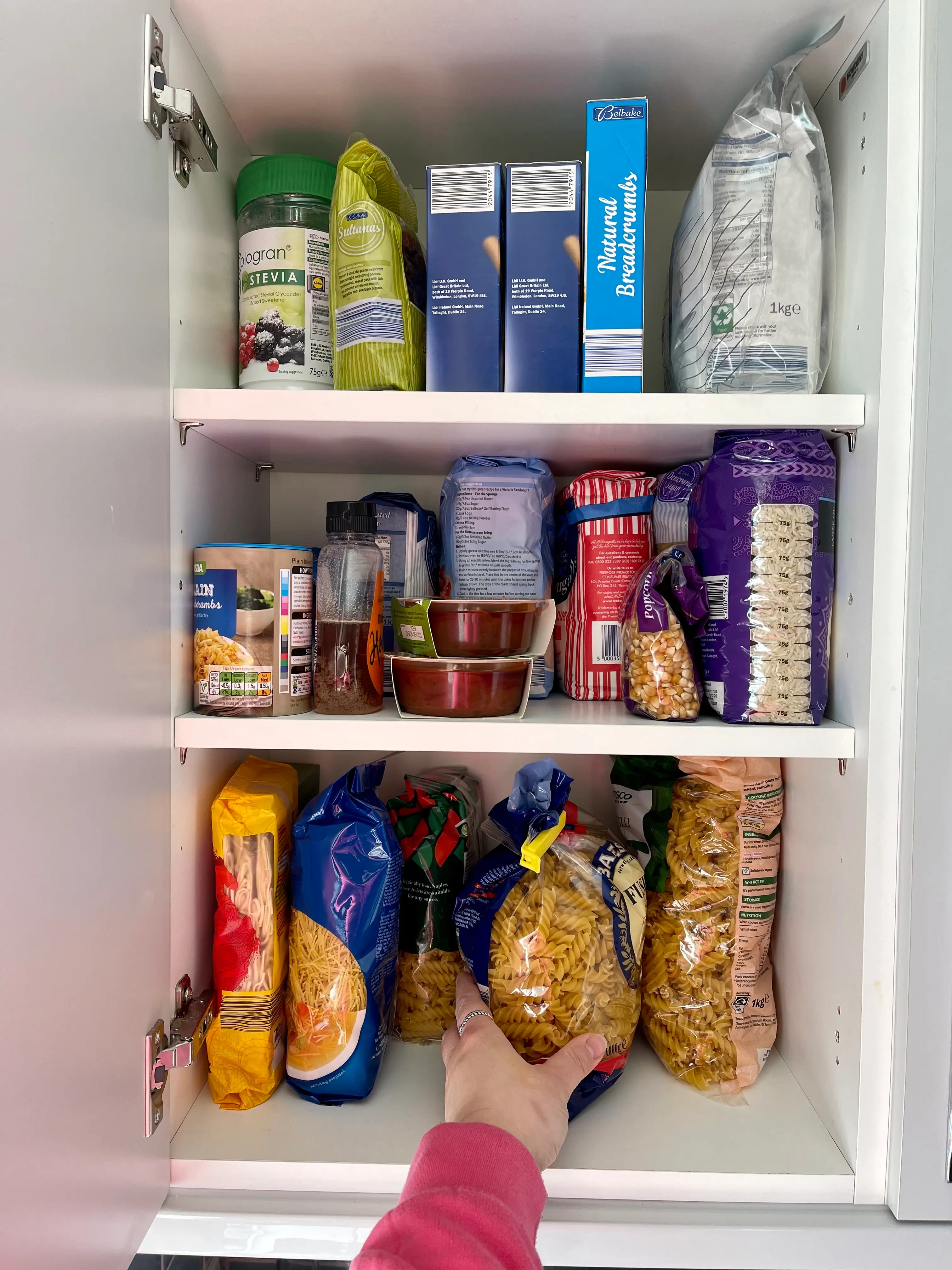
This could look like buying different varieties of potatoes or couscous instead of rice.
"Things that were in supermarkets and seen as relatively abundant may all of a sudden be in shortage,” he said.
Expert details what should be in cupboards
Dr Sammie Gill, a senior nutrition scientist from the British Nutrition Foundation, has said that complex carbohydrates and proteins should be prioritised.
To comply with the former, you should pick up wheat biscuits, wholegrain cereals, crackers and breads, as well as oats, rice and pasta.
Proteins you can keep in the back of your cupboards include canned chickpeas, lentils and kidney beans.
Unsalted nuts, peanut butter and canned oily fish such as tuna, mackerel and sardines are all good options.
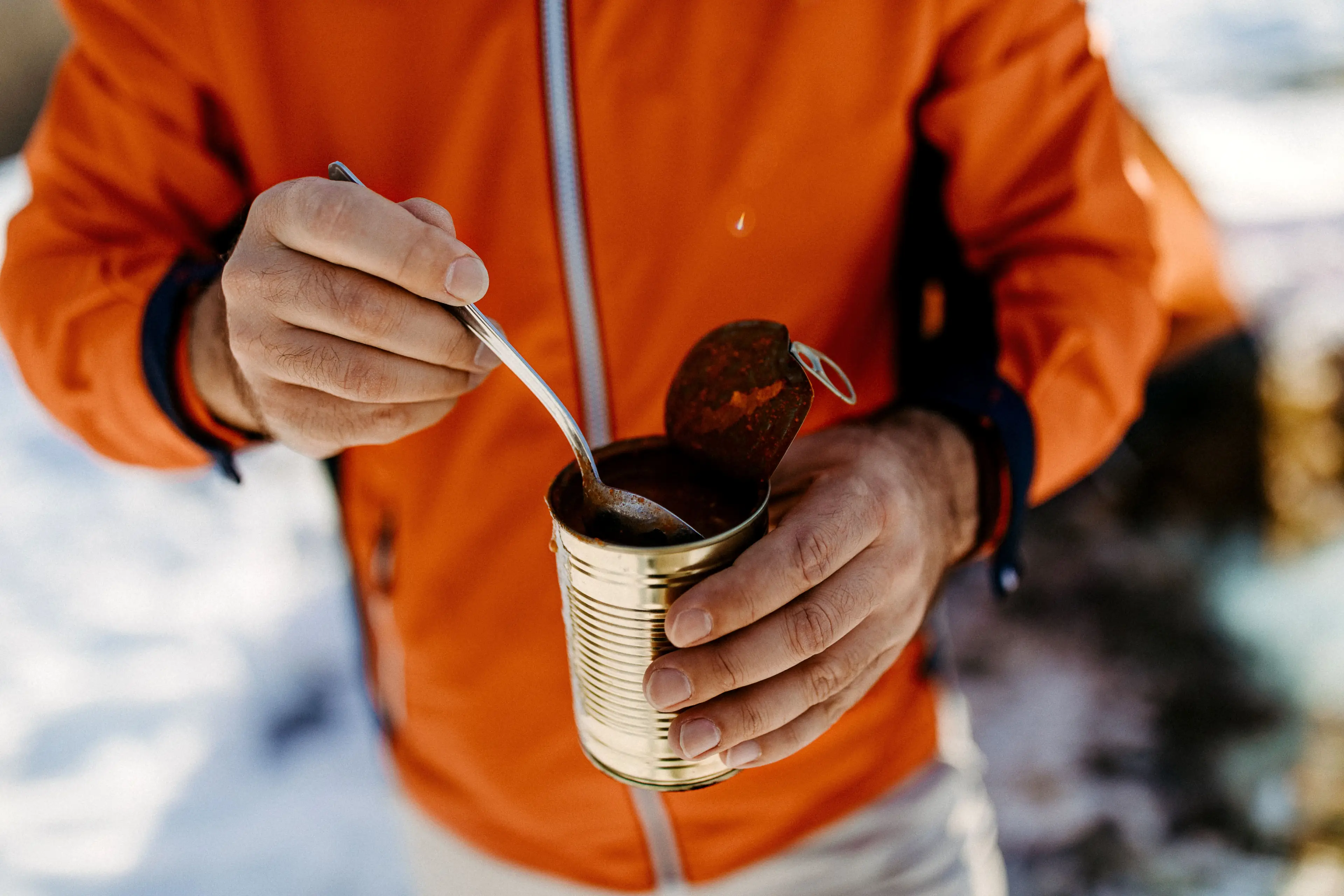
Meanwhile, Rebecca McManamon, a consultant dietitian, told the BBC that shoppers worried about extreme weather events may also benefit from picking up tinned fruits, pickled foods, and long-life milk.
How much water to purchase
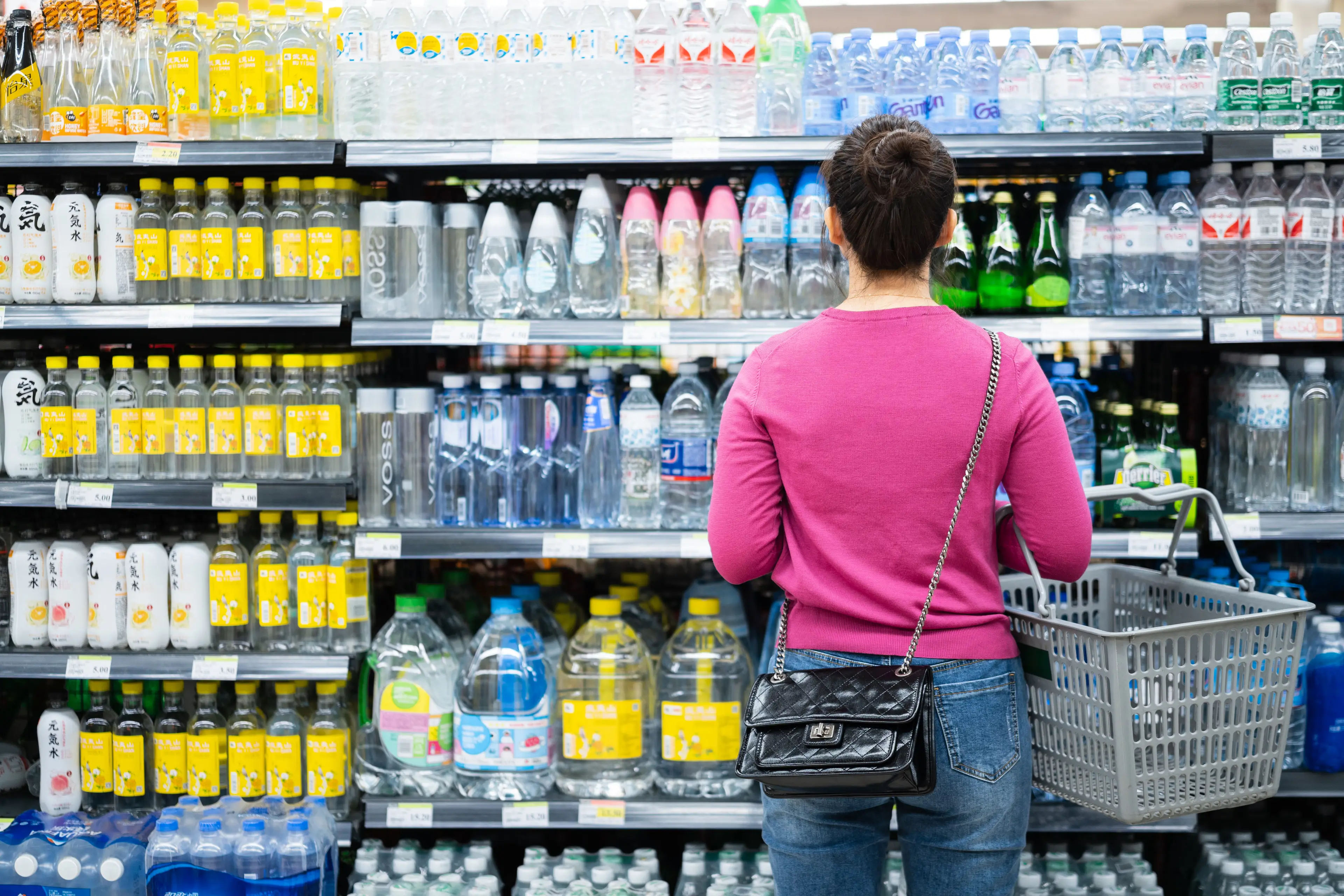
It’s also important to purchase bottled water in the event that waterways become contaminated.
Elizabeth Andress, professor emerita and extension food safety specialist at the University of Georgia, told Real Simple that people should try to stock up on at least a three-day supply of water,
“A normally active person should drink at least a half gallon of water each day,” she explained “The other half gallon is for adding to food and washing.”
Stocking up on organic electrolyte-enhanced drinks may also be a good idea—just make sure the beverage doesn’t contain too many additives,
Items to avoid stocking up on
While tinned fish is a must-buy, Gill recommended avoiding buying tinned meats, including hot dogs and corned beef as these items are often high in salt and saturated fat.
Instant noodles, tinned soup, and other high-salt items should also be removed from emergency shopping baskets.
Sweet treats like biscuits and slabs of chocolate should be swapped for nuts and dried fruit—but be aware these items may have short shelf lives.
Government statement on stockpiling
Last month, a spokesperson for the Cabinet Office said in a statement to The Guardian that ‘safeguarding national security’ was its ‘first priority’.
“We’re committed to raising awareness of simple steps households can take to make themselves more resilient, as well as driving forward the home defence programme to build our country’s preparedness for various threats.”
Initially reported in the Financial Times, the resiliance campaign is understood to be part of the Labour government's ongoing 'War Book’.
This aims to outline potential scenarios in which an international conflict may affect the UK.
Plans to update the UK's so-called 'War Book' are not new— Air Chief Marshal Sir Richard Knighton previously warned that the British public should expect to adapt how they think about resilience.
Speaking to BBC Radio 4's Today programme back in June, Sir Knighton said the UK was living through 'the most dangerous period that I have known'.
"I'm very clear that this is the most dangerous time I have known in my working life.
“And the risks and threats to this country are greater than I have known since the Cold War.
"It is important that society and all of us recognise and understand that and that may mean that we need to make different choices and different priorities."
 Ella Scott