
Expert reveals why we're all nostalgic for 90s comfort food

From potato smiles and turkey dinosaurs to Angel Delight and Arctic Roll, the foods we grew up eating in the 90s are making us nostalgic all over again.
It turns out, there's a psychological reason why we can't seem to let them go.
Forget protein-packed breakfasts and carefully calculated macros, and go back to a time when fibremaxxing was unheard of.
Sometimes, all you really want is a plate of smiley faces, chicken nuggets and baked beans, preferably eaten in front of the telly.
Advert
For anyone who grew up in the 1990s, certain foods have a way of transporting us straight back to childhood, whether it's a school dinner favourite or the chocolate bar you used to buy with your pocket money.
It seems we're not quite ready to leave those memories behind.
Recent research has highlighted Britain's appetite for nostalgic 90s foods, with potato smiles among the childhood favourites people still crave.
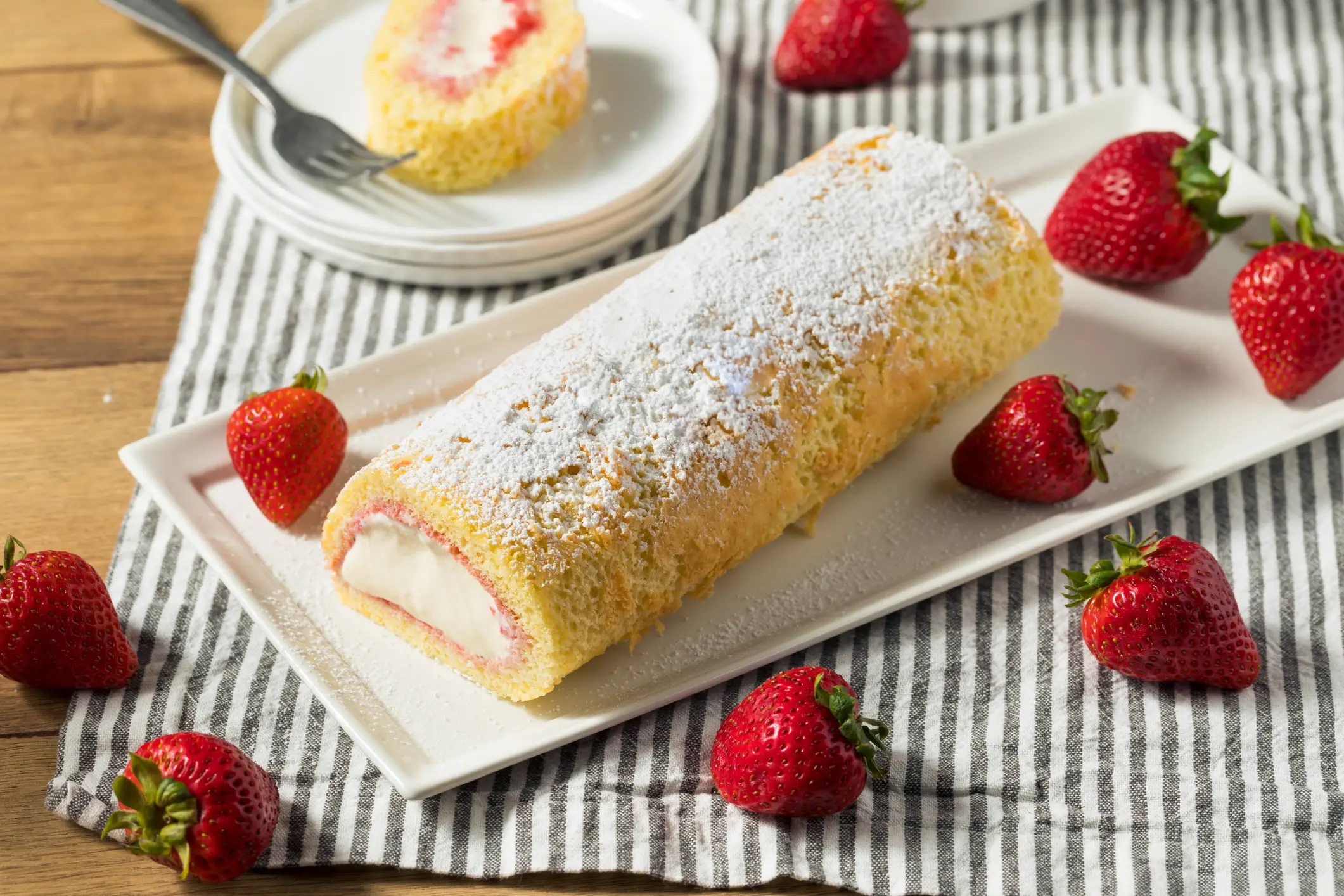
The study, commissioned by Lyle’s Golden Syrup, involved 2,000 adults and found that the 90s had the most memorable food, followed by the pre-1950s.
But why do we have such strong feelings about foods that, let's face it, weren't exactly gourmet?
According to social psychologist Dr Bo Bennett, who holds a PhD in Social Psychology, the answer has less to do with what's on our plates and more to do with what we associate with eating it.
Why are we so obsessed with 90s food?
Speaking about our attachment to childhood favourites, Bennett explained that food can trigger memories and emotions we might not even realise we're holding on to.
"It has to do with people's association with the food - the memories they made when they were eating it," he said.
"The fallacy known as 'Rosy Retrospection' is where people glorify the 'good ol' days' and tend to forget the struggles."
Essentially, we remember the good bits of growing up while conveniently overlooking the less enjoyable parts.
That plate of turkey dinosaurs might remind you of Friday evenings, cartoons and having absolutely no responsibilities, rather than the actual quality of the meal.
Bennett continued: "These 90s foods bring back those positive memories and feelings - both at a conscious and subconscious level."
He added that the comfort we associate with them comes largely from nostalgia itself.
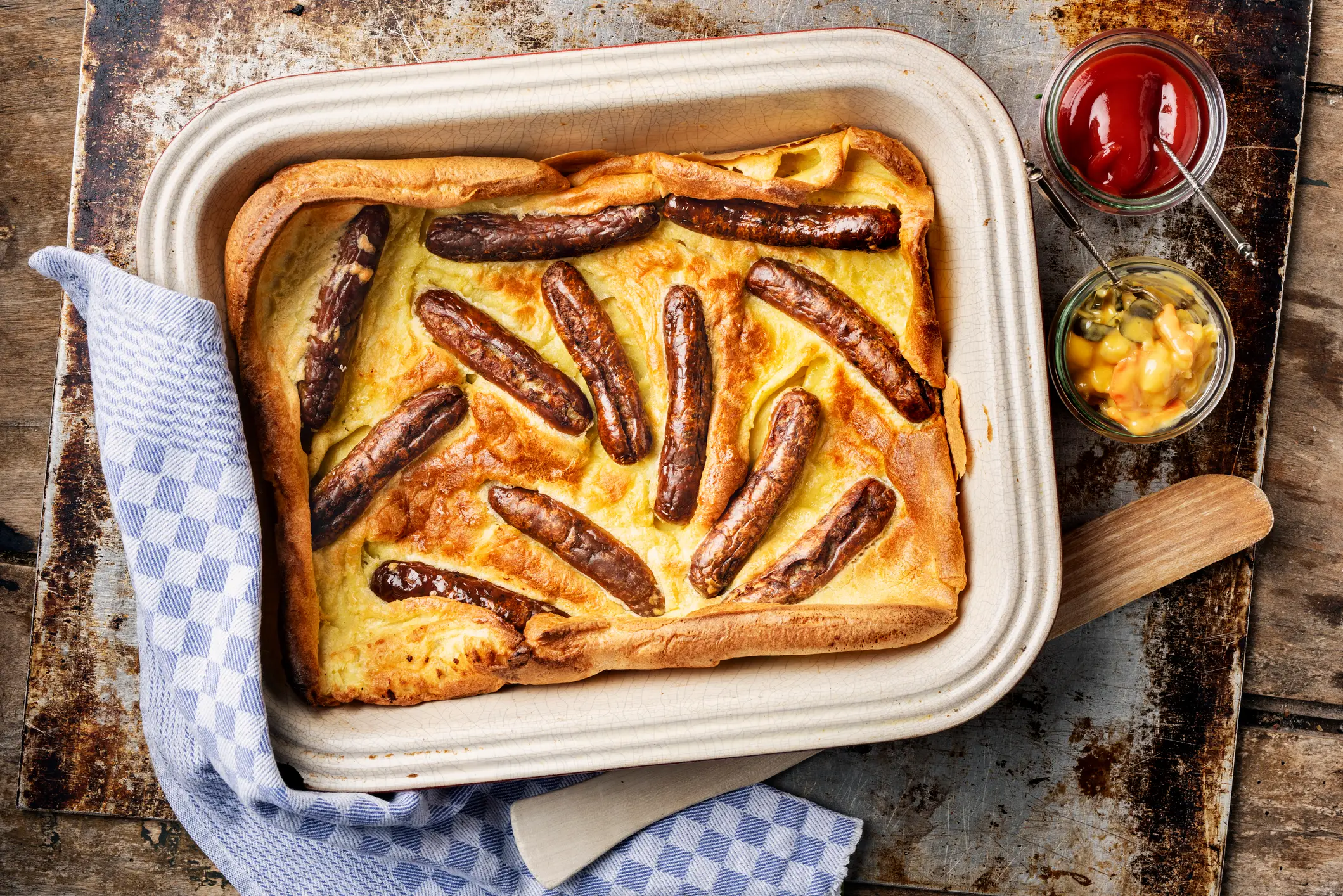
It's not just about how food tastes
Interestingly, our attachment to certain foods isn't always determined by whether they're particularly delicious.
Bennett explained that taste, texture and temperature all play a part, but the circumstances surrounding a meal can be just as important.
He recalled finding a hair in an ice cream cake as a young child, an experience that put him off eating it for the next 20 years.
Despite enjoying the flavour, the unpleasant memory completely changed his relationship with the dessert.
The same principle works in reverse.
A relatively ordinary meal can become something we adore because we associate it with happy experiences.
"In short, it is a combination of the sensory pleasure the food delivers with the circumstances around the food," Bennett explained.
Which might explain why a bowl of Angel Delight can feel more satisfying than a dessert costing ten times as much.
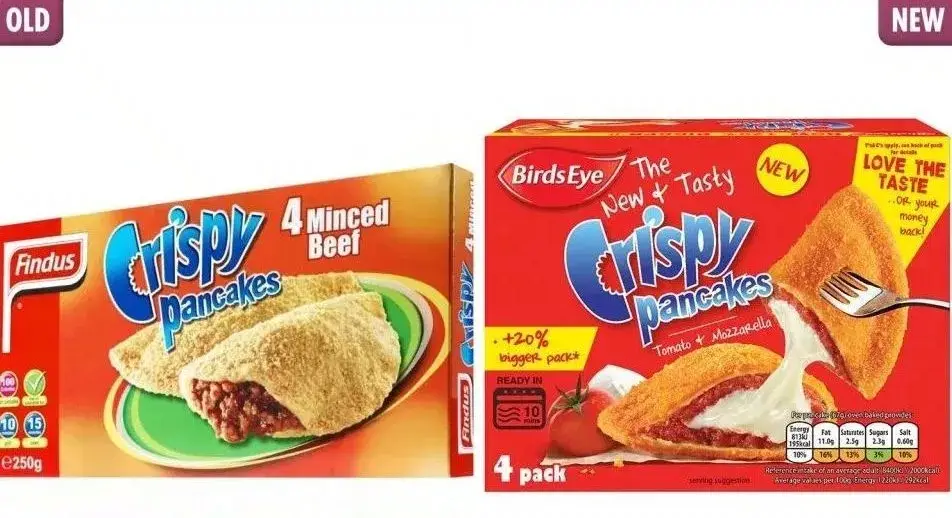
Are nostalgic foods actually comforting?
There's a reason we call certain dishes comfort food, although Bennett says the connection isn't always straightforward.
"Often what we call 'comfort foods' are combined with the kind of situation that is pleasurable to us - being at a bar with friends, going to the movies, etc," he explained.
"We reflect on times when eating the food brought us comfort, and we eat the same foods under different circumstances to try to recreate that comforting situation."
In other words, we're not necessarily craving the food itself. We're craving how life felt when we first enjoyed it.
That might be why childhood favourites remain so appealing, even when our tastes have supposedly become more sophisticated.
Is our obsession with healthy eating making nostalgia stronger?
With protein goals, calorie tracking and dietary trends dominating social media in 2026, it's tempting to wonder whether people are longing for a simpler relationship with food.
Bennett acknowledged that less nutritious foods can be particularly appealing, although he stressed he was speaking as a social psychologist rather than a nutritionist.
He also pointed out that people who place a high value on healthy eating can develop equally strong emotional attachments to nutritious foods.
When it comes to modern dietary trends, he believes food choices increasingly become part of how people define themselves.
"People don't just adopt these diets; they form their whole identity around them," he said.
So while today's food culture might revolve around protein, wellness and carefully planned meals, there's still room for the occasional childhood throwback.
After all, sometimes a plate of potato smiles isn't really about dinner.
It's about being eight years old again, even if it's only for ten minutes.
 Jen Thomas