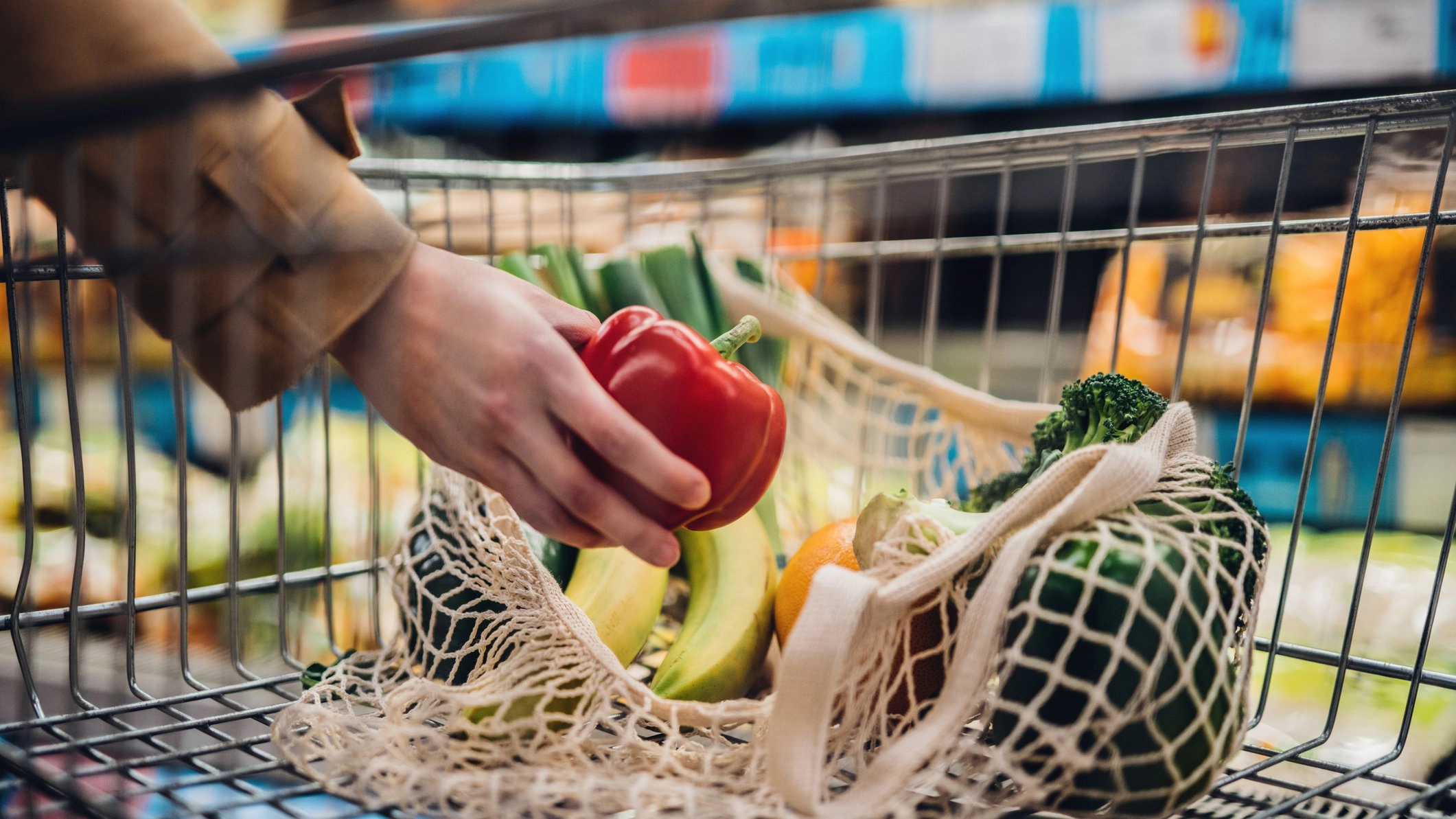
Shoppers are buying more plants as 'fibremaxxing' trend takes hold

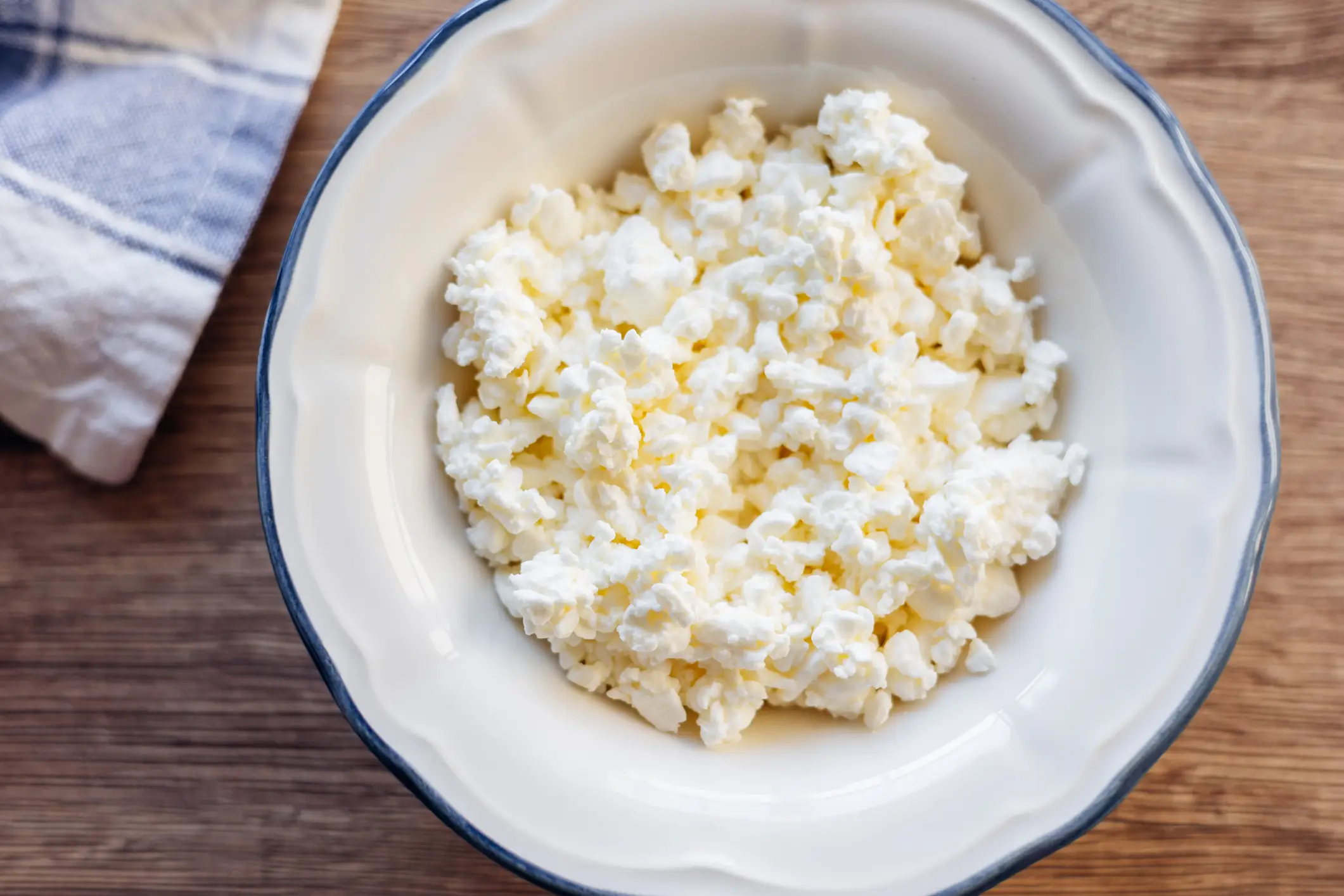
Previously you couldn't move for protein-packed items on the shelves, and there was cottage cheese in seemingly every recipe.
Now, it seems like everyone is obsessed with getting enough fibre in their diet instead.
The latest food health trend has been dubbed ‘fibremaxxing’, a shorthand for piling plates high with beans, pulses, wholegrains, fruit, vegetables, nuts and seeds, as well as pre-packaged 'fibre' desserts and even gummies.
What at first seemed like a social media fad appears to be influencing our everyday shopping habits.
Advert
New data from HelloFresh, reported by Grocery Gazette, suggests UK consumers are eating a wider variety of plants than they were five years ago.
One in 10 customers now orders boxes containing more than 30 plants a week, which is more than double the rate recorded in 2022.
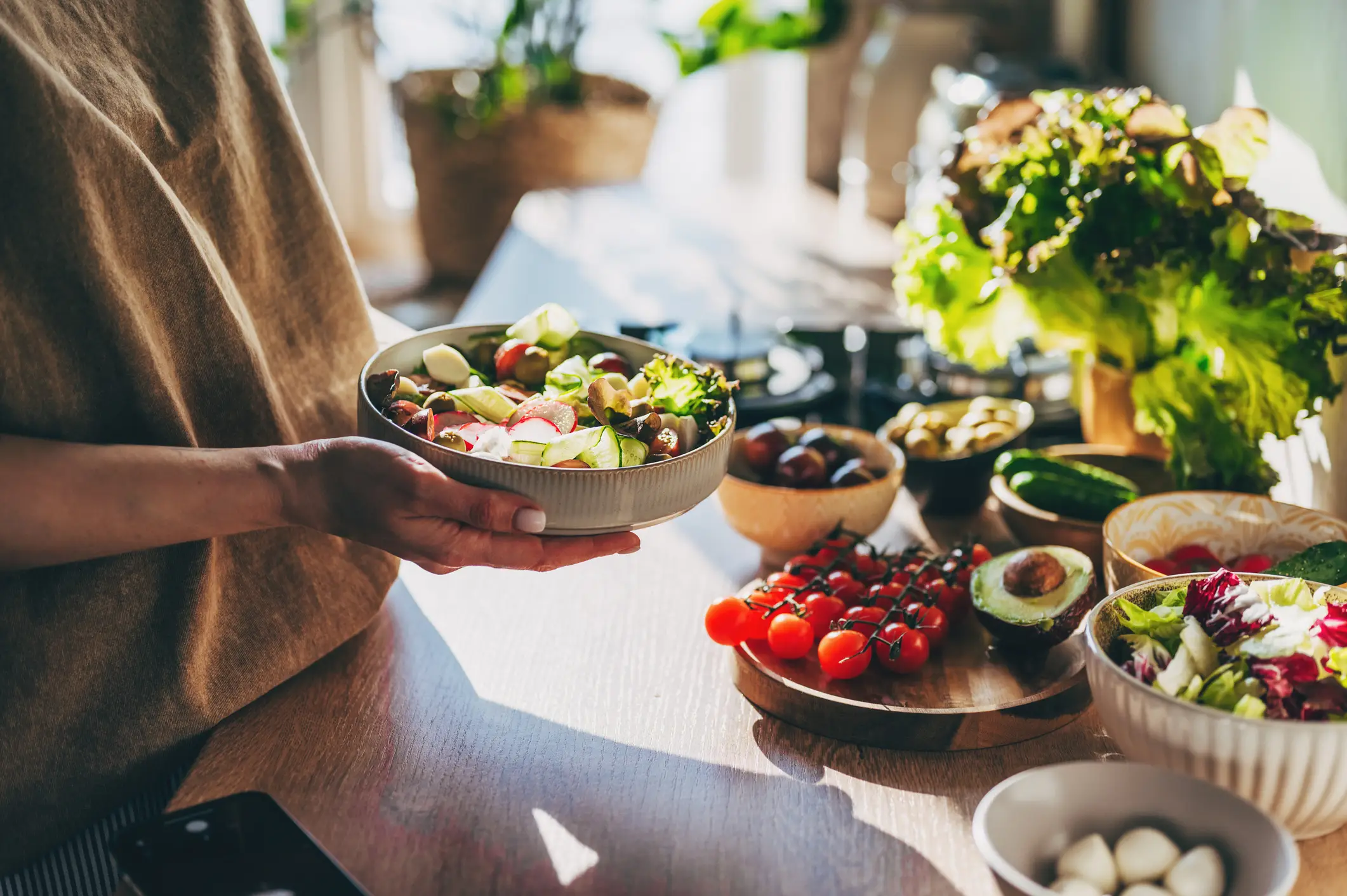
Meanwhile, 65% of British consumers say they have been trying to eat more fibre than five years ago, while 55% are actively trying to eat a wider variety of plants.
Social media appears to be helping drive the change.
Almost half (48%) of those surveyed said they had seen content about eating plants for gut health, while 47% said Instagram and TikTok had increased their awareness of the benefits of plant diversity.
Younger shoppers are particularly interested, with 70% of 25- to 34-year-olds saying they are trying to eat more types of plants than they did five years ago.
Experts speak out on if it's genuinely healthy or just another trend
Kelly Peak, who runs independent food shop Peak & The Pantry, says shoppers are certainly looking for more fibre, but they're not necessarily overhauling their entire diet.
She told FOODbible: “What I’m seeing is people looking for ways to increase the fibre in meals they’re already eating,” she says. “They’re buying beans, broths, cooking pastes, condiments and bases that they can take home and build on with vegetables, pulses, grains and noodles.”
Rather than completely changing the way they eat, shoppers appear to be looking for easy additions that can make familiar meals more nutritious.
“When fibre is highlighted on a product, people notice it,” Peak says. “It catches their eye in much the same way protein has done for some time.”
“There’s definitely more interest in what a product can add to a meal nutritionally, rather than simply looking at calories,” she says.
That shift is already being reflected in new product development.
Peak says she is seeing more emphasis on fibre, gut health and plants across the products landing on her desk, from fibre-focused condiments to fermented-fibre health shots.
Not only that, but fibre has started appearing in categories where shoppers might not traditionally expect to find it, including drinks, coffees, sauces and condiments.
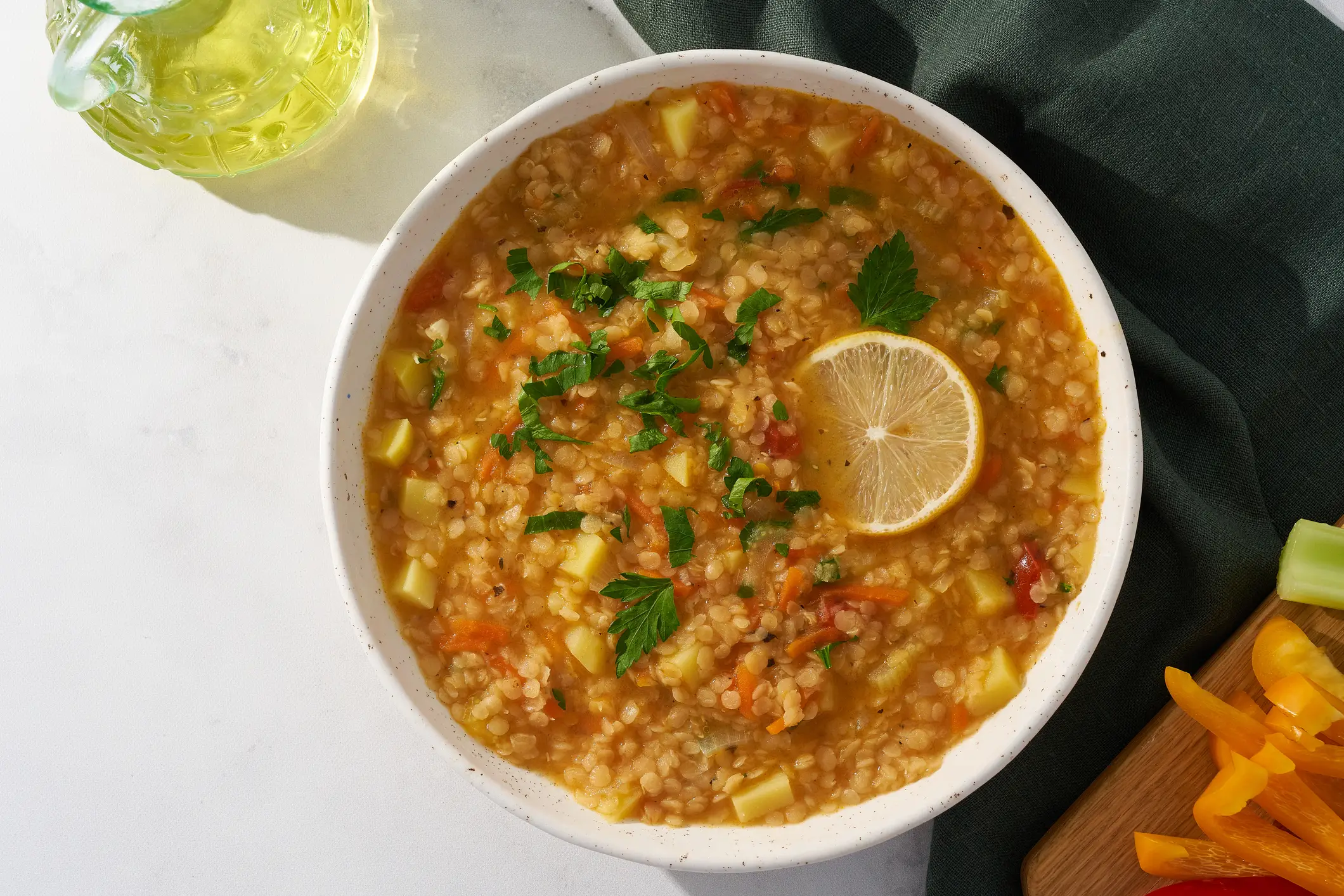
Plants, but make them practical
One of the appeals of 'fibremaxxing' is that it's not about deprivation.
“I really like that it’s an 'adding-in' rather than 'taking-away' trend,” says Peak.
“So many food trends have historically focused on restriction – what we shouldn’t eat or what we need to cut out. Fibremaxxing feels much more about asking, 'what else can I add'?”
That might mean beans alongside meat rather than instead of it, extra vegetables in a noodle bowl, seeds sprinkled over breakfast or wholegrains swapped in for refined versions.
Peak describes the resulting diet as increasingly 'plant-forward or flexitarian', rather than shoppers deciding to go fully plant-based.
Then there are the flavour-makers: chilli oils, dressings, pickles, pastes and sauces.
These can be the difference between a boring looking bowl of veggies, versus something you actually fancy eating.
“For me, the really interesting shift is where convenience and eating well are starting to meet,” Peak says.
More fibre is good, but ‘maxxing’ is not the goal
That distinction is important because, despite the catchy name, the objective should not be to consume as much fibre as physically possible.
Nichola Ludlam-Raine is a Specialist Registered Dietitian and author at Nic’s Nutrition, and she welcomes the fact that fibre has finally captured public attention.
Most UK adults, she notes, do not meet the recommended amount of 30g a day.
However, she warns against turning fibre into another obsession.
Speaking to FOODbible, she says: “I’m pleased fibre is finally having its moment,” she says. “However, we don’t need to ‘max out’ on fibre: the aim should be a varied, balanced and sustainable diet rather than treating it as another nutrient to obsessively track.”
For anyone wanting to increase their intake, Ludlam-Raine recommends starting slowly.
Simple swaps such as wholegrain bread and cereals, leaving the skins on potatoes, adding beans or lentils to meals and eating more fruit, vegetables, nuts and seeds can all help.
Drinking enough fluid is important too.
The reason for taking it gradually is simple: suddenly going from a relatively low-fibre diet to a very high-fibre one can result in bloating and wind.
In fact, very large amounts of fibre can cause abdominal discomfort, constipation or diarrhoea, while some people with conditions such as IBS or inflammatory bowel disease may need personalised dietary advice.
There is also a nutritional balancing act to consider. “Plant foods are extremely valuable, but fibre shouldn’t crowd out protein, healthy fats or important nutrients such as iron, calcium, vitamin B12 and iodine,” Ludlam-Raine says.
The 30-plant challenge
The popular ‘30 plants a week’ target has undoubtedly helped make plant diversity feel achievable, but Ludlam-Raine stresses this isn't an official UK dietary target.
The more useful message may simply be to introduce greater variety.
For families struggling to get more plants on the plate, Ludlam-Raine suggests blending lentils into tomato pasta sauce, adding oats to pancakes or muffins, mixing beans into mince dishes and stirring ground seeds into porridge or yoghurt.
Black-bean brownies can be fun, but she says plants do not always need to be disguised.
As Peak puts it, 'people still want convenience, but increasingly they want that convenience to help them eat better, rather than replace good food.'
Fibre may be trending, but the overall message is that increasing our fibre intake is less about perfection, and more about making everyday meals a little more varied, practical and nutritious.
Topics: Health, Diet, Social Media, News
 Jen Thomas