
Jack-o’-lantern byproduct nutritionists are raving about

Halloween fans planning spooky pumpkin-carving evenings with friends and family are being warned not to bin the squash’s innards, as experts say they offer major health benefits.
Marking and carving funny, scary, or eye-poppingly brilliant faces on pumpkins to ward off unwanted spirits on Old Hallows Eve is a traditional activity for kids and adults alike.
But before you chuck out Jack-o’-lantern seeds, you may want to hear why experts are obsessed with the inexpensive byproduct.
Charlotte Stirling-Reed, a nutritionist who specialises in baby and children’s diets, told HuffPost that seeds, especially pumpkin seeds, don’t ‘get enough publicity for the benefits they offer’.
Advert
“I’m SUCH a big advocate for seeds,” she gushed. “I try and offer either nuts or seeds with breakfast every morning.”
Health benefits of pumpkin seeds

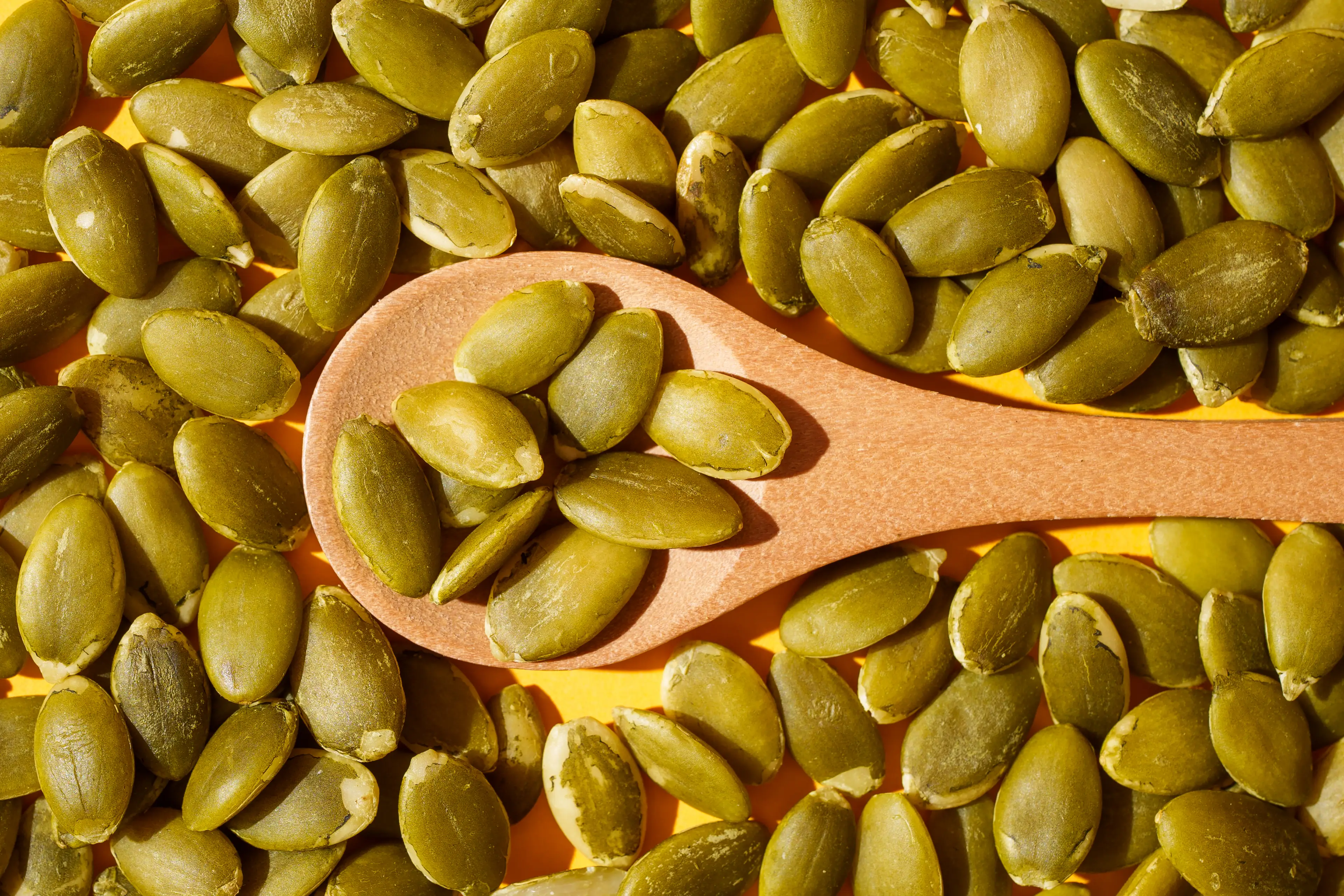
Pumpkin seeds especially are described by the How To Feed Your Family author as ‘a really useful’ little diet addition, as they are ‘one of the richest plant sources of several minerals that lots of us, including children and women, can fall short on’.
They are high in magnesium, which prevents muscle cramps and maintains strong bones; zinc, a trace mineral your body needs for immune function and wound healing, as per Harvard Health; and iron, a natural energy booster that supports brain health.
Because they are so rich in iron, nutritionists advise you to pair them with vitamin C favourites, such as citrus fruits and peppers, to ‘support optimum absorption’.
The Jack-o’-lantern byproduct is also an excellent source of protein and unsaturated fats, like ‘the important omega-3 ALA and omega-6 fatty acids’, Stirling-Reed told the publication.
Adding pumpkin seeds to your diet may also help lower cholesterol levels, reducing the risk of heart attack and stroke.
‘Fibremaxxing’ with pumpkin seeds
Anyone into the ‘fibremaxxing’ trend will also be pleased to hear that pumpkin seeds are an excellent source of fibre.
“Eating plenty of fibre is helpful for digestion and to prevent constipation, as well as [having] many other health benefits,” said Stirling-Reed.
A high-fibre diet can also provide better blood sugar control, increase satiety, and lower cholesterol, the Mayo Clinic reported.
Worrying statistics suggest that almost 90 percent of British people fail to hit the recommended 30g a day of fibre despite experts linking it to lower bowel cancer and heart disease risk.
‘Hack’ to add more seeds to your meals
If you’re stuck on how to add pumpkin seeds to your everyday meals, one expert has a hack that may appeal.
In conversation with Hello! Magazine, Rhiannon Lambert, one of the UK’s leading nutritionists, said that she keeps a jar of mixed seeds on the kitchen table that her kids call ‘sprinkles’.
“They go onto yoghurt, porridge, cereal, toast - whatever breakfast looks like that day.”
She reasoned: “That one small habit increases fibre intake every single morning without anyone having to think about it.”
 Ella Scott