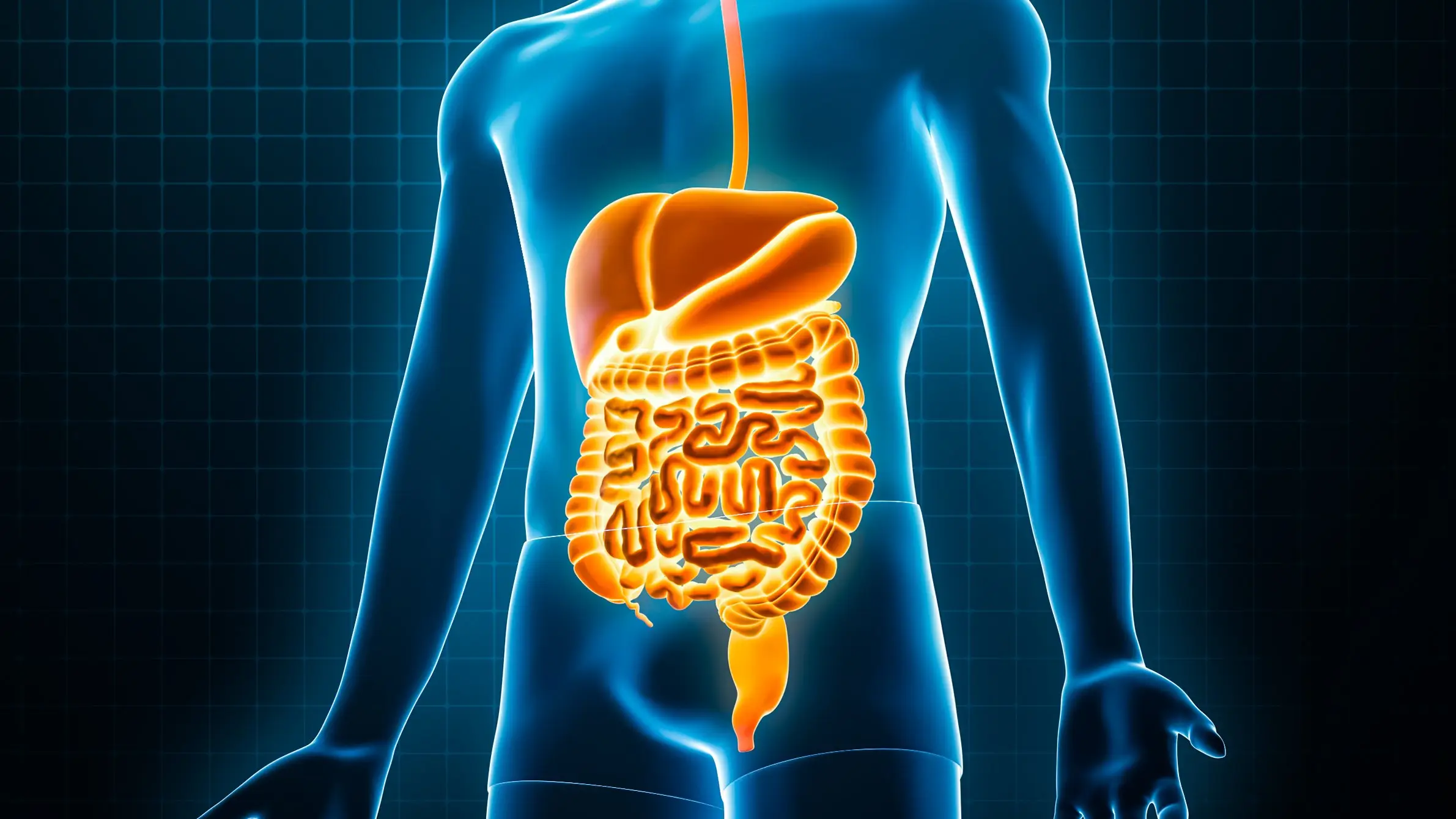
Nutritionist shares the 'one small habit' she uses to boost fibre intake

It’s prophesied that in 2026, health gurus and wellness purveyors will finally shift their focus away from maxing out their protein goal and begin indulging in a ‘less-sexy’ nutrient instead.
Priya Tew, a specialist dietitian from Dietitian UK, told BBC Good Food late last year that the gut essential can help lower ‘bad’ LDL cholesterol, stabilise blood sugar, and help our bowels stay regular.
“It really is a nutrient your body needs and many of us are dramatically undereating it,” the expert added.
A previous study, published in The Lancet,also suggested that by boosting your intake of this specific nutrient, it was dramatically reduce the risk of serious illnesses like heart disease, type 2 diabetes, and certain cancers.
Advert
We’re of course speaking about fibre, and Tew believes it is finally going to have its ‘moment in the spotlight’ this year.
More benefits of fibre
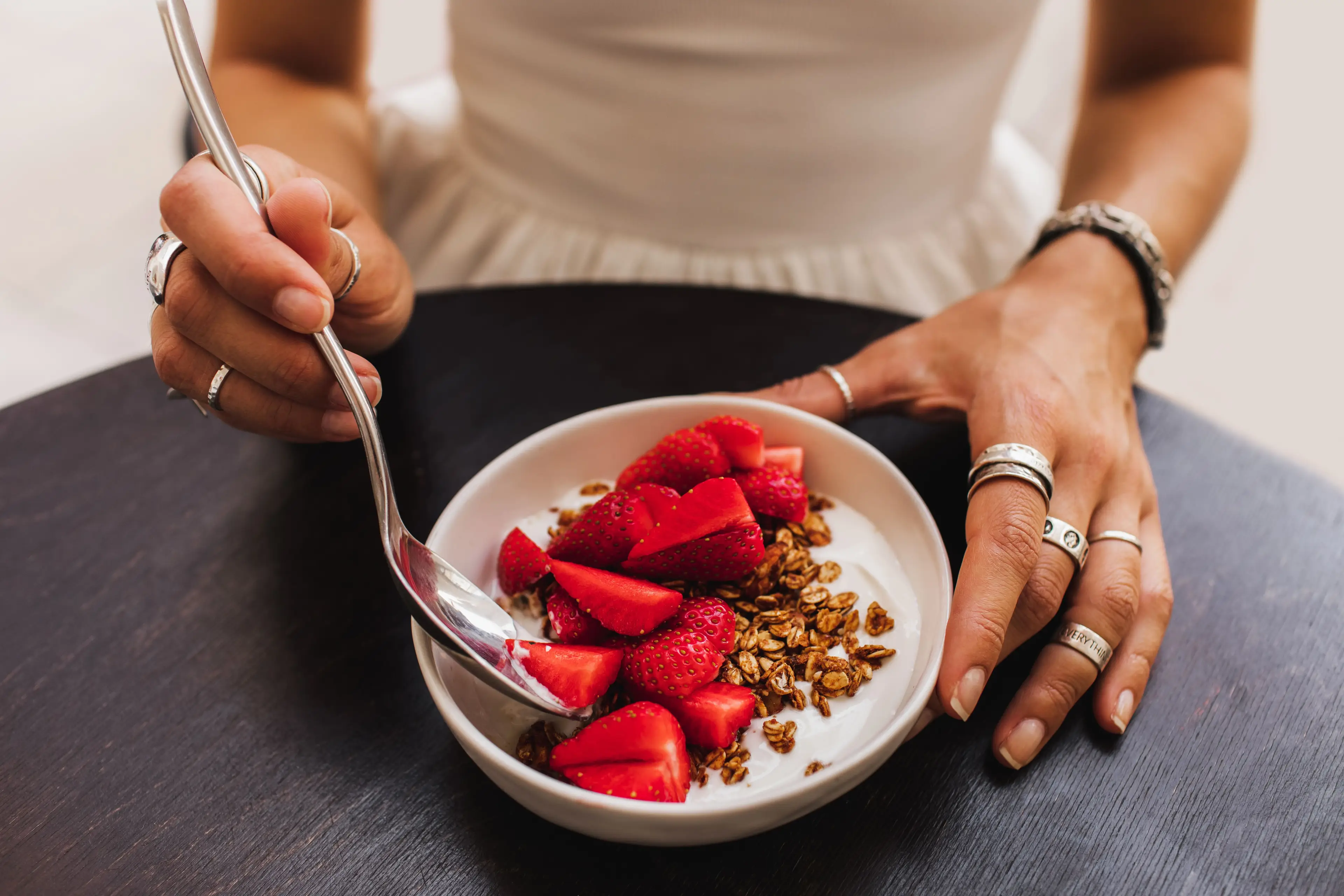
Fibre comes from plant-based foods and works by increasing the bacteria in your gut which supports your immunity against inflammatory disorders and allergies, as per the British Dietetic Association (BDA).
Not only does the complex carbohydrate help you foster a diverse and healthy microbiome, but it can make going to the toilet easier, help maintain a healthy weight, and control your appetite.
How much fibre should we be eating?
In conversation with Hello! Magazine, Rhiannon Lambert, one of the UK’s leading nutritionists, stated that we should be aiming to consume around 30g of fibre a day.
“But most of us are closer to 18g without even realising it - in fact, approximately 96 per cent of us here in the UK aren’t getting enough!,” she lamented.
Lambert claimed that we’re possibly eating less these days because meals are ‘quicker, more convenient, and often eaten on the go.
“The foods that naturally used to bring fibre into our diets just aren’t quite as front and centre as they once were.”
Nutritionists ‘hack’ for consuming more fibre
Lambert claimed that eating more fibre doesn’t have to be difficult.
Instead, it’s all about bringing fibre-rich foods - such as fruits, vegetables, beans, and lentils - back into our diets little by little.
This can look like choosing wholegrain versions of familiar foods, or doing like Lambert does: sprinkling a concoction of seeds on her breakfast dishes.
“At home, I keep a jar of mixed seeds on the kitchen table, and my kids call them 'sprinkles’,” she explained to the publication of her 'small habit'.
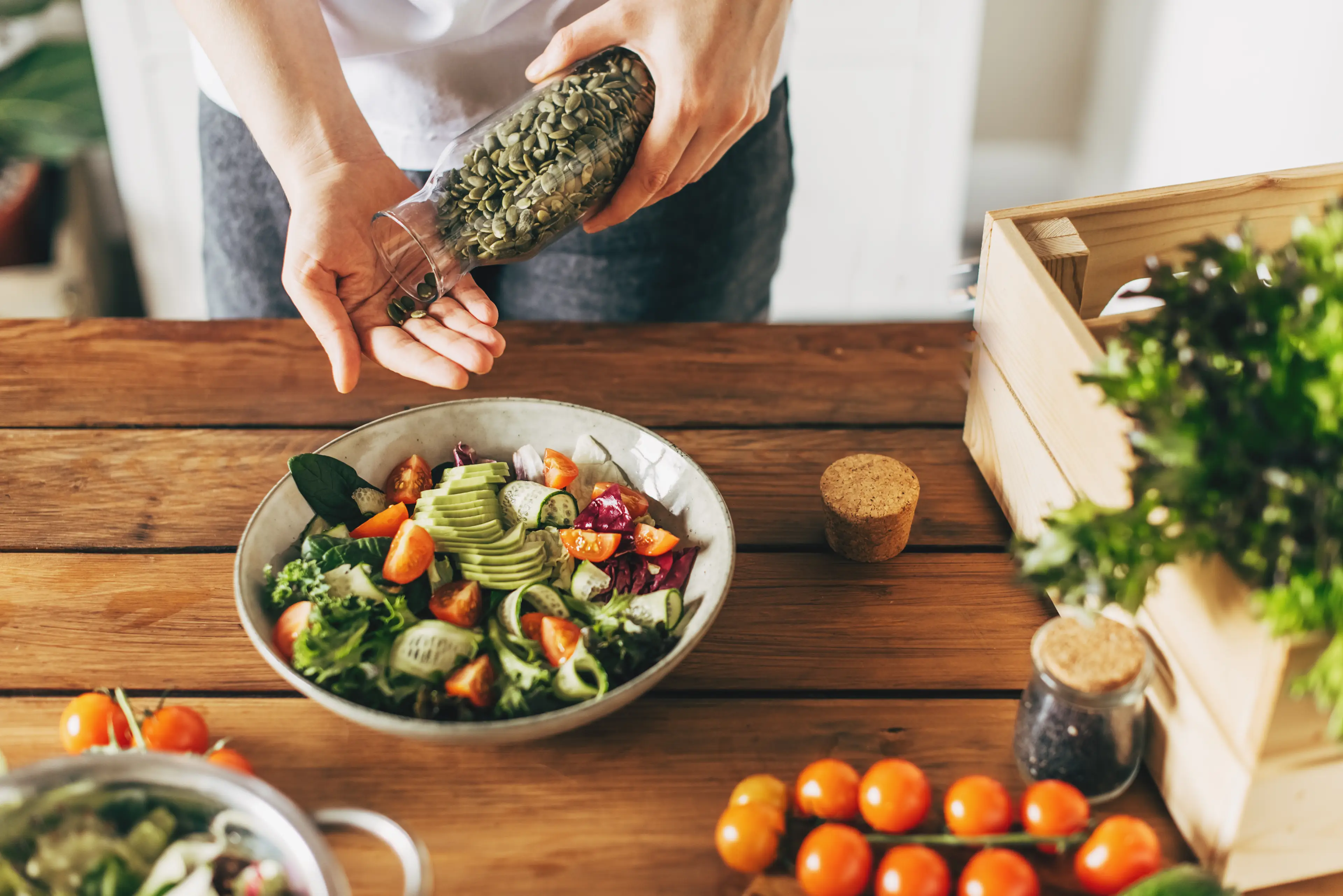
“They go onto yoghurt, porridge, cereal, toast - whatever breakfast looks like that day. That one small habit increases fibre intake every single morning without anyone having to think about it.”
The Sunday Times bestseller also recommend putting chickpeas in salad, adding a handful of berries to your go-to breakfast, or snacking on nuts.
Symptoms of not eating enough fibre
A lack of dietary fibre can manifest in various ways, including through feeling hungry immediately after eating, the need to snack frequently, or feeling bloated and sluggish on the regular, said Lambert.
Being constipated and developing haemorrhoids are also signs that you need to up your intake, according to EatingWell.
If you have the latter, and they keep coming back or don’t improve, it’s a good idea to talk with a healthcare professional.
However, you should make sure that you don’t go from zero to one hundred as this can make bloating and digestive symptoms worse in the short term.
“A much better approach is to increase fibre slowly over a couple of weeks, allowing the gut time to adapt, and making sure you’re drinking enough fluids alongside it,” Lambert added.
 Ella Scott