
Common vitamin may have surprising impact on how often you poo

Did you know that your daily diet could be majorly impacting how frequently you need to use the toilet?
When it comes to healthy stools, experts advise eating to the recommended daily fibre intake, drinking water, cutting out irritating foods, and chowing down on a balanced diet.
If you’re someone who has irregular bowel movements, then a particular vitamin may help get your body back on track.
A new study suggests that the supplement, which can also be gained by eating food, has a ‘previously unrecognised role’ when it comes to stool frequency.
Advert
"Gut motility problems sit at the heart of irritable bowel syndrome, constipation, and other common gut-motility disorders," said geneticist Mauro D'Amato from the Basque Research & Technology Alliance in Spain.
"But the underlying biology is very hard to pin down.”

Found in whole grains, meat, fish, and legumes, the essential nutrient wasn’t the original topic of the study.
However, its benefits came to light when experts were researching for common DNA differences associated with how often people open their bowels, as per Cic bioGUNE.
The International team, led by D'Amato, initially studied data from 268,606 people of European and East Asian ancestry.
They found that vitamin B1, also known as thiamine, may theoretically improve gut issues such as constipation or diarrhoea, Science Alert wrote.
During this stage of the proceedings, the team identified two causative gene variants that impact gene expression involved in thiamine activation and transport.
These genetic results were soon cross examined with additional dietary information from UK Biobank.
In 98,449 participants, the experts discovered that higher dietary vitamin B1 intake was associated with more frequent bowel movements.
Both of these research efforts suggest that the metabolism of vitamin B1 helps control stool frequency and gut motility.
The authors of the study, published in Neurogastroenterology, said that further investigations will help explore whether ‘nutritional interventions, such as thiamine supplementation, can alleviate disordered gut motility and IBS symptoms in genetically susceptible individuals’.
Foods containing vitamin B1
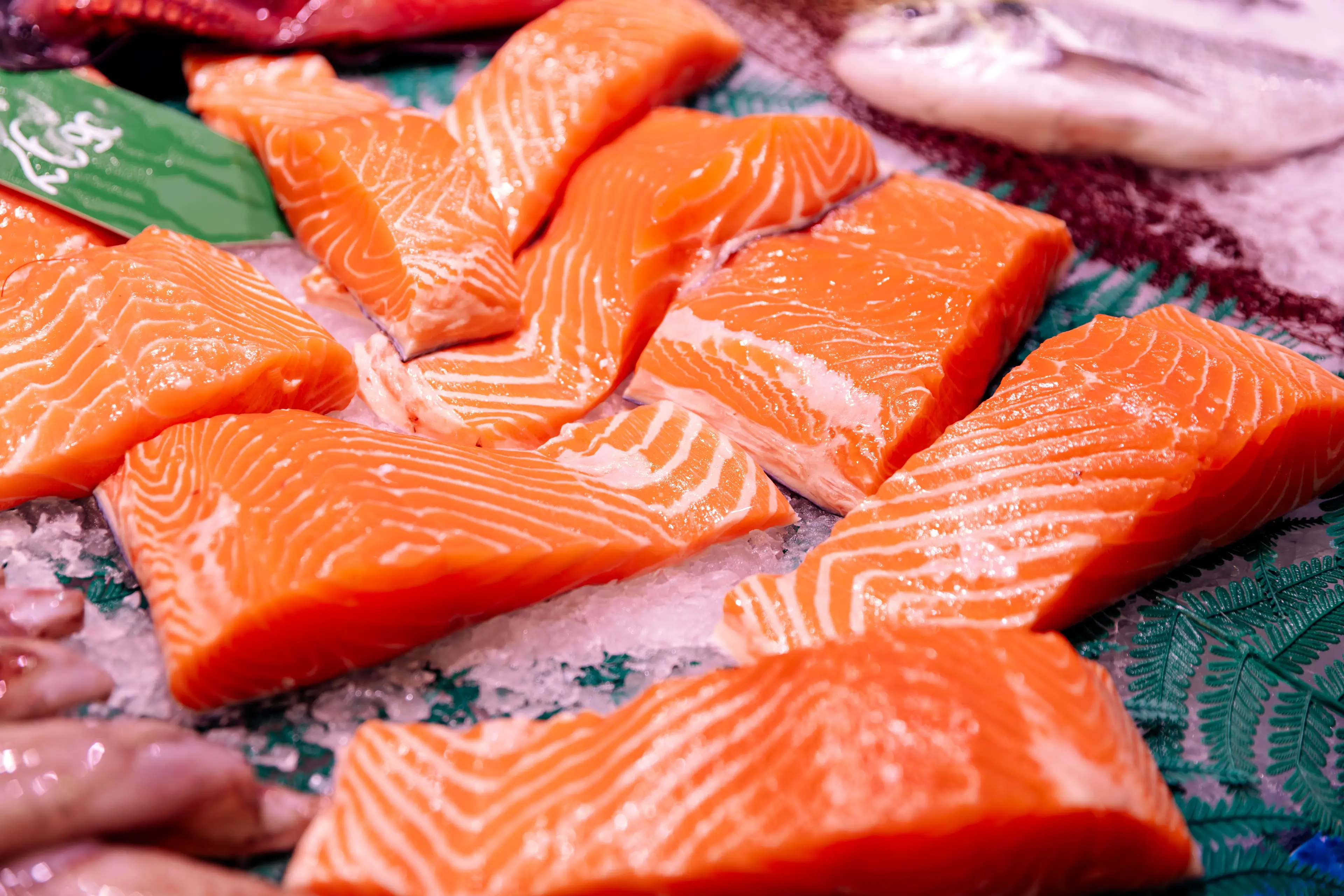
Medical News Today stated that thiamin is naturally found in meats such as pork and fish including salmon, as well as black beans, brown rice, mussels, and sunflower seeds.
Foods like breakfast cereals and white rice are often enriched with vitamin B1. This is usually to restore nutrients lost during processing, such as milling or refining.
Benefits of consuming vitamin B1
As well as possibly improving bowel movement, studies suggest that consuming vitamin B1 may help treat certain causes of heart failure, prevent brain disease, and strengthen the immune system, as per the Cleveland Clinic.
Other benefits include: lowering the risk of cataracts, improving blood sugar management, and possibly ease diabetes-related neuropathy.
The latter condition can cause symptoms such as pain, tingling and burning sensations.
 Ella Scott