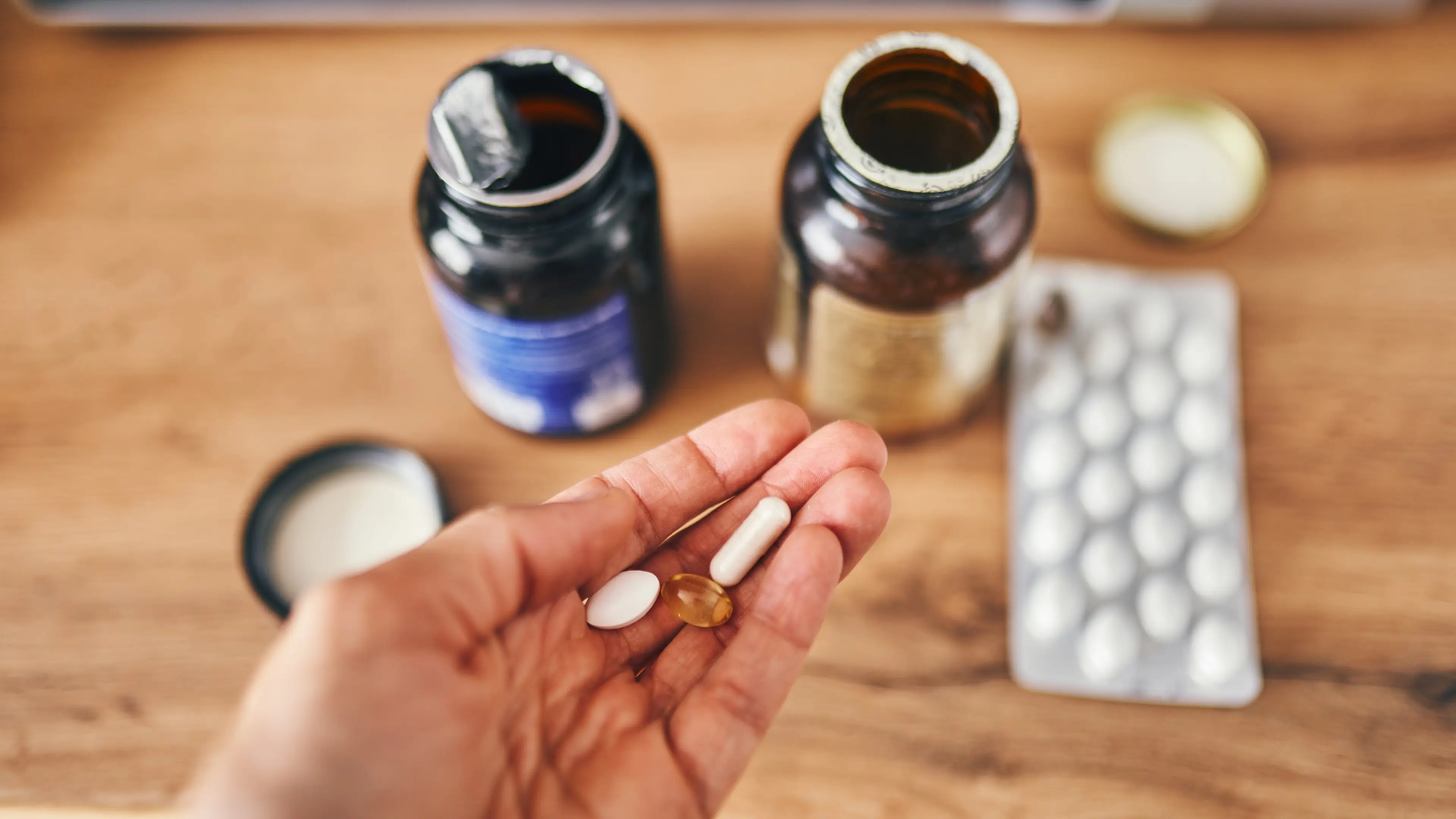
Scientists are exploring how vitamin C may help tackle 'single largest environmental health risk'

Vitamin C is essential for health, with known benefits such as staving off chronic diseases, reducing the chance of gout attacks, and preventing iron deficiency.
But, according to Australian scientists, the powerful antioxidant may also help tackle the ‘single largest environmental health risk’ - environmental pollution.
According to the World Health Organisation, air pollution is linked to almost seven million premature deaths each year, with 99 percent of the global population being exposed.
Late last year, experts from the University of Technology in Sydney, wanted to learn whether a certain vitamin usually found in citrus snacks could help to mitigate the effects of pollution on the lungs. Their findings were published in the Environment International journal.
Advert
To begin, the team collected real-world fine particulate matter from the air above a high-traffic road in Sydney's central business district.

Once the particulate matter, known as PM2.5, was in their possession, the scientists exposed mice to it over the course of three weeks.
As well as the animal testing, the Sydney researchers dosed human bronchial epithelial cells with the same ‘low level’ dose on a daily basis.
They later added vitamin C, which is usually found in citrus fruits, such as oranges and lemons, as well as vegetables such as Brussels sprouts, kale, and broccoli.
Research stated that some of the mice received the vitamin C via their drinking water, while cells pre-treated with the pollution were exposed to it too.
In a statement shared via the University, study author and graduate student Xu Bai, said that that high doses of vitamin C was found to be ‘effective in mitigating the adverse effects of low-level PM2.5 exposure’.
However, the ‘high dose’ that was fed to mice was listed as 1.1 grams (1,100 mg) per day. For a 154-pound adult human, they would have to eat around 15 to 16 oranges per day to see the same results, as per Food & Wine.
Unfortunately, too much vitamin C can be a bad thing for your health.
The NHS advises adults to eat no more than 40mg of the water-soluble nutrient per day.

If this level is succeeded over a period of time, then you run the risk of it becoming toxic, and causing symptoms such as: heartburn, stomach cramps, and fever.
Despite warnings, the Sydney researchers are touting that a strong dose of vitamin C could help reduce harmful inflammation and preventing oxidative stress.
“This study suggests that taking the highest permitted dose of vitamin C for you would potentially help,” Brian Oliver, a molecular biologist at UTS, explained.
"But you would need to speak with your [general practitioner] to make sure you're taking the right kind of supplement at the right levels and don't accidentally overdose on something else included in an over-the-counter supplement.”
He added that despite the setbacks, the research shows that there is a possible hope for ‘low-cost preventative treatment to a global issue’, such as pollution, which is ‘affecting hundreds of millions of people'.
Shop our top pick of vitamin C supplements below:
Nutravita vitamin C capsules (1,100mg)
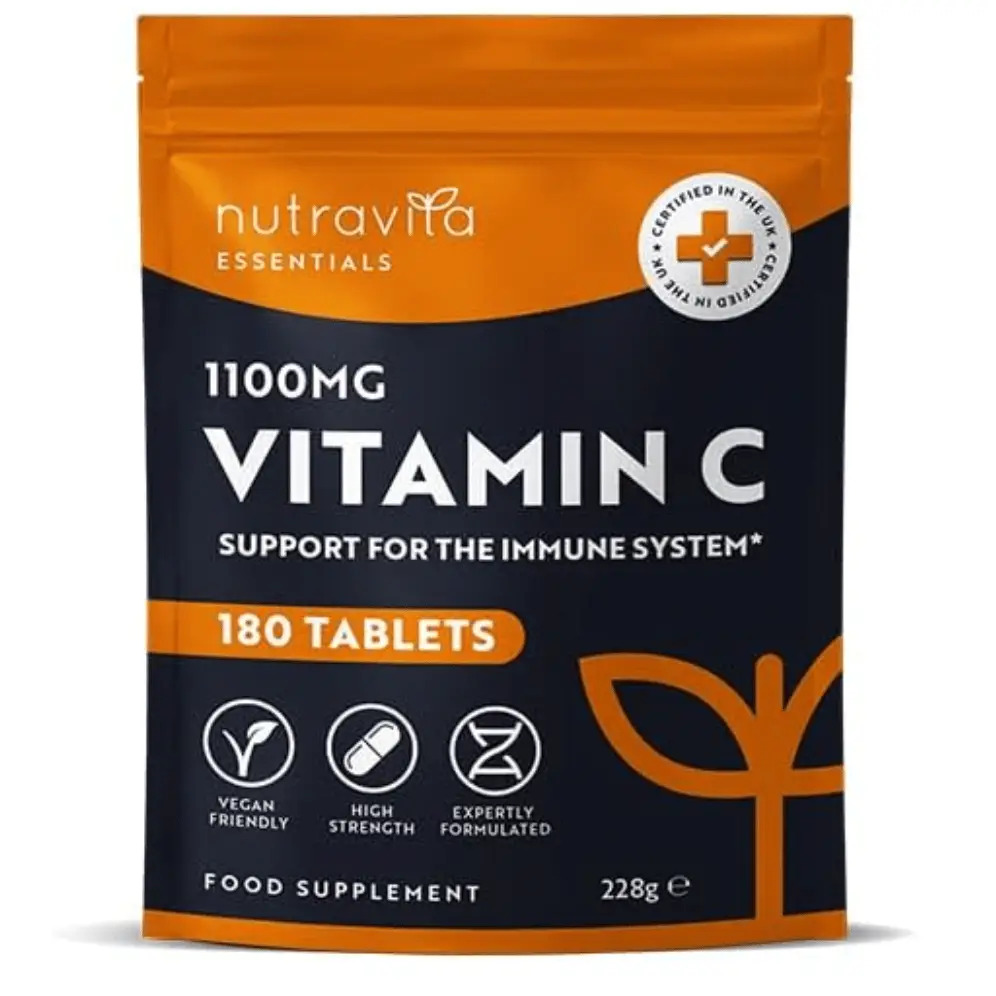
£8.99
Nutravita vitamin C capsules (1,000mg)
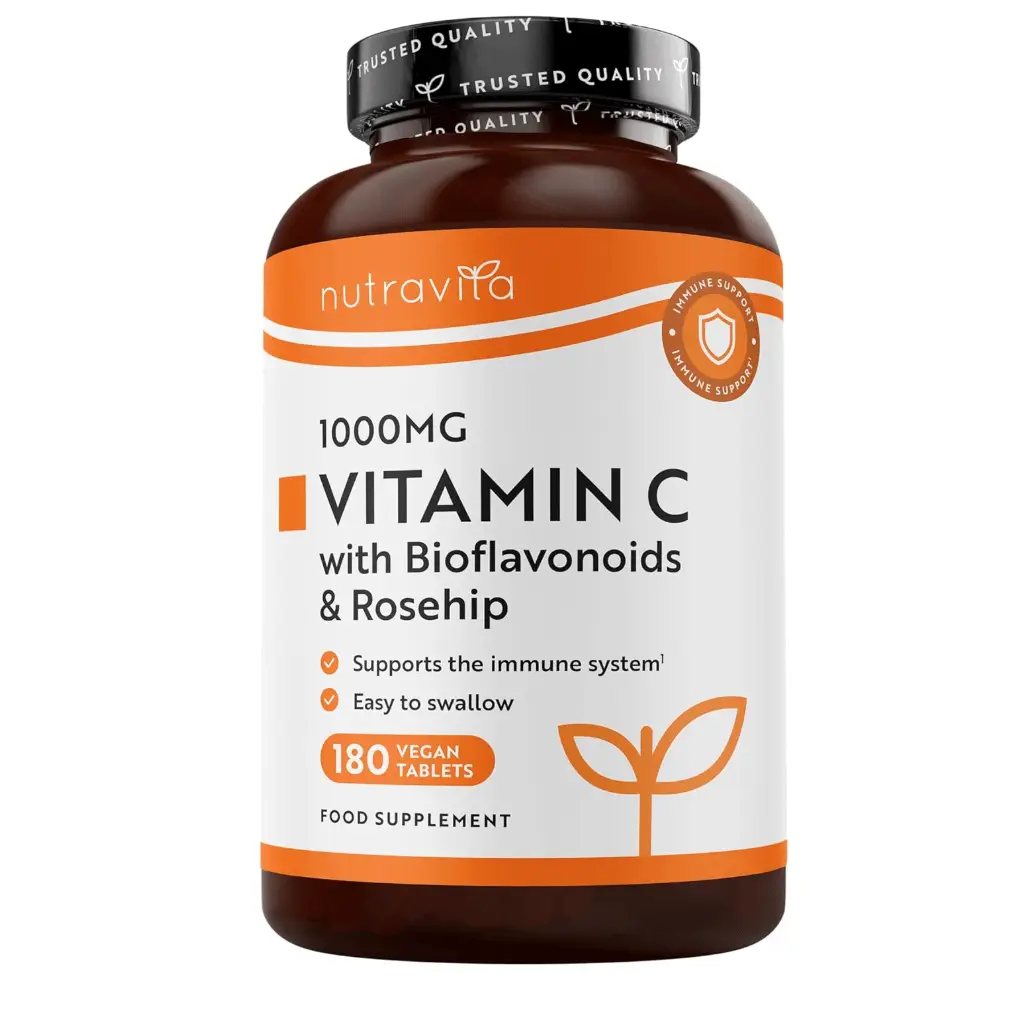
£9.99
Solgar vitamin C capsules (1,000mg)
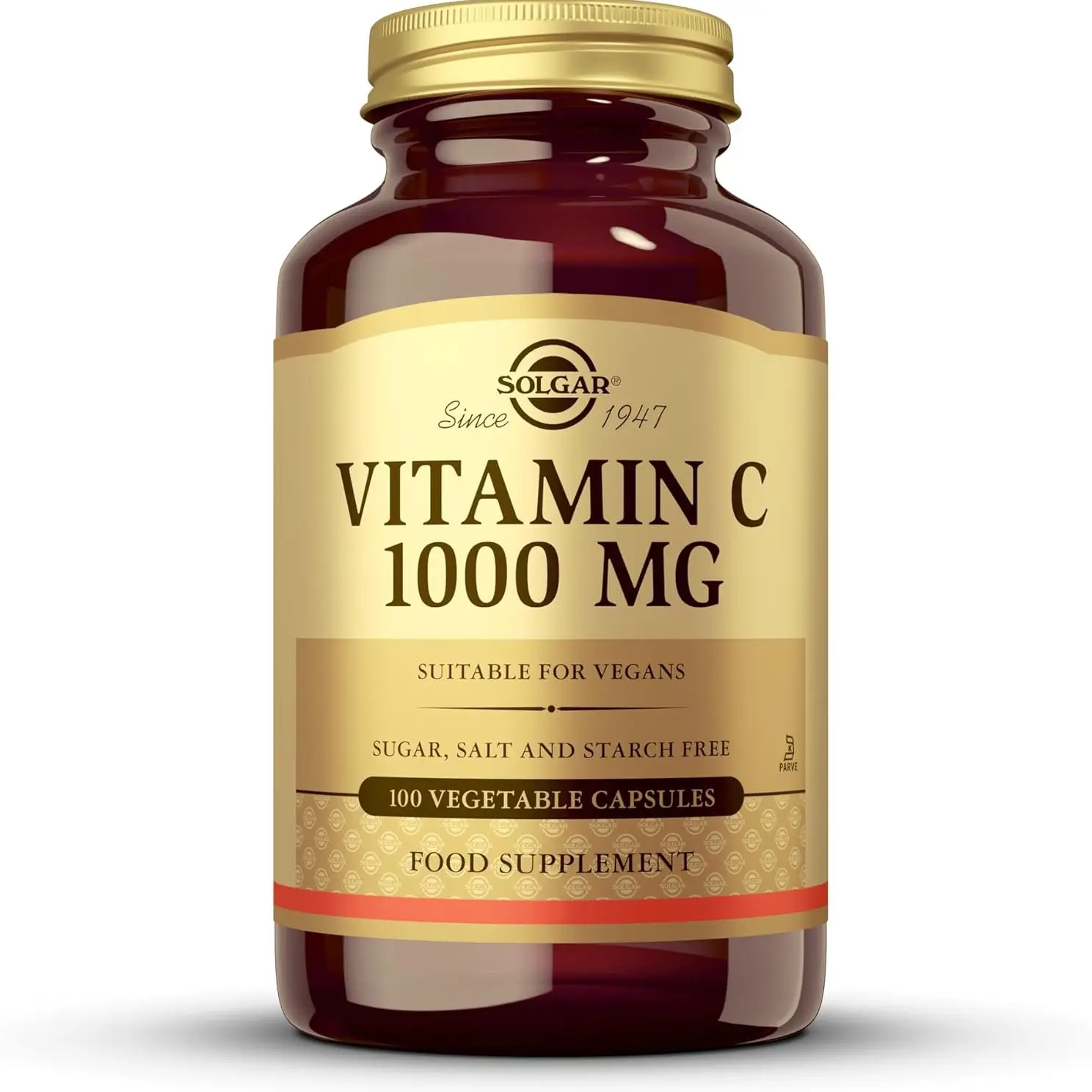
£14.41
AAVA Labs vitamin C capsules (1,000mg)
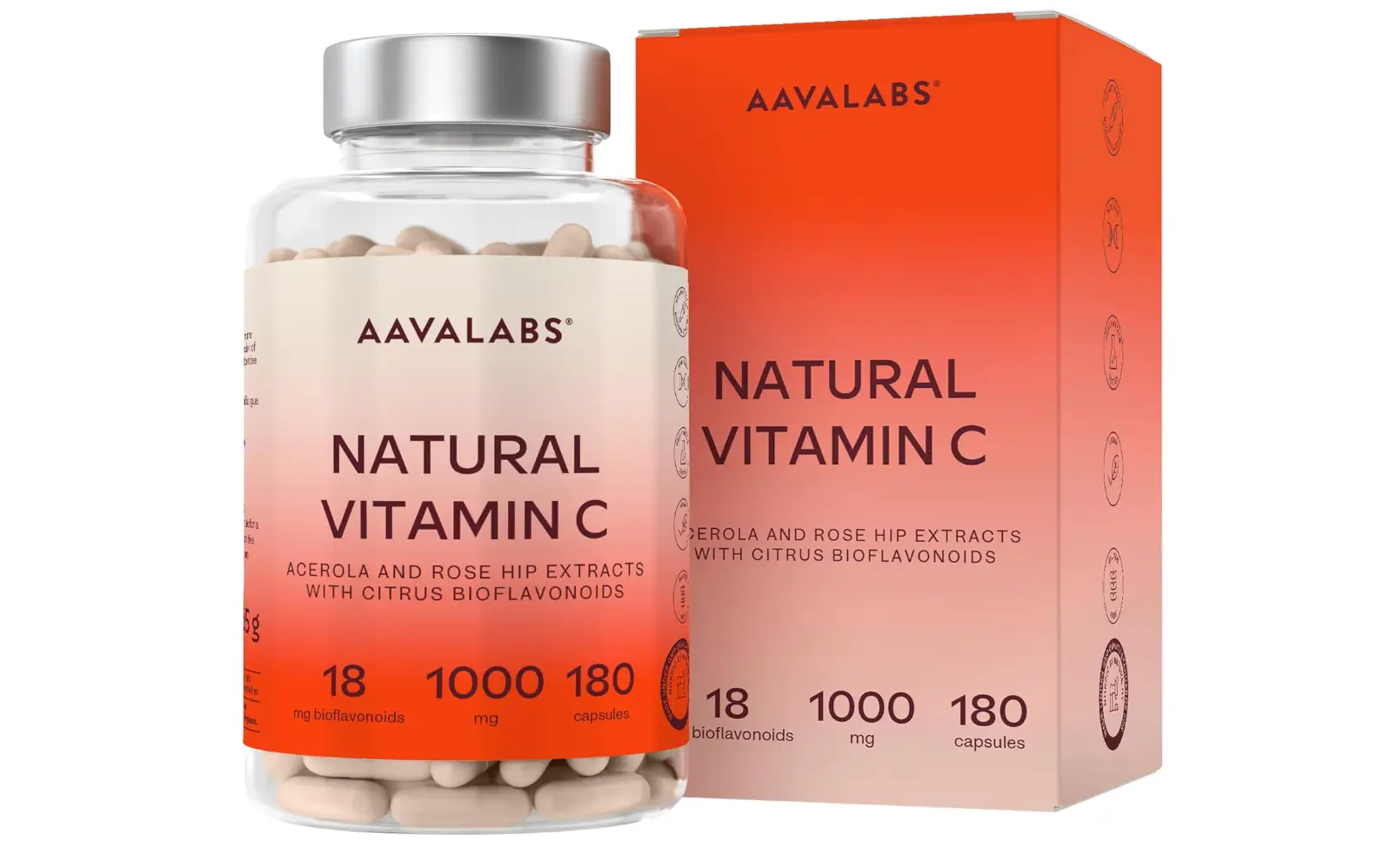
£20.99
 Ella Scott