
Gut issue that scientists say increases cancer risk by 600%

A leading nutrition scientist has warned that a prevalent gut issue could lead to a ‘six-fold increase’ in one of the most common cancer diagnoses.
According to worrying statistics published by WeCovr, a jaw-dropping two in five British residents are likely to experience regular, disruptive digestive symptoms.
One of the most frequently reported gut issues includes Irritable Bowel Syndrome (IBS), as well as Inflammatory Bowel Disease (IBD).
The latter, which damages the lining of the bowels, causes severe stomach pain and often diarrhoea, is classed as a chronic lifelong condition and can be managed with dietary adjustments, anti-inflammatory medicines, and sometimes surgery.
Advert
Unfortunately, IBD causes extraintestinal manifestations, such as joint pain and skin lesions, as well as systemic issues, like anaemia.
"It may also increase your chance of developing cancer," as per Professor Sarah Berry, a nutrition scientist at King’s College London.
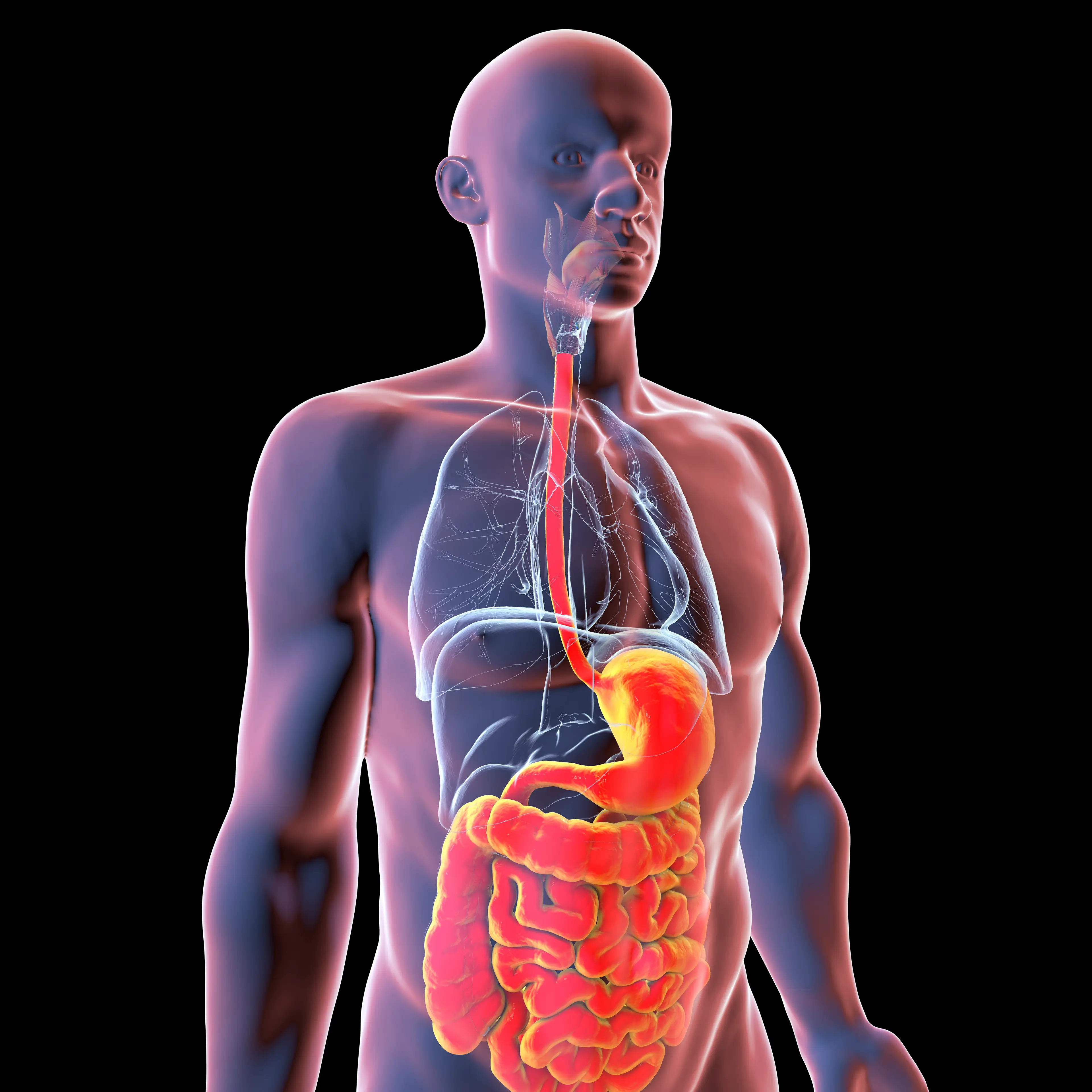
In a new interview with the Daily Mail, the academic leader explained that patients who have IBD are likely to have a ‘higher risk of early-age colorectal cancer than the rest of the population’.
“Research in Sweden has shown the condition leads to a six-fold increase in diagnoses,” she continued.
“The main theory is that the persistent inflammation in the bowels triggers the cancer.”
Cancer Research UK confirmed that bowel cancer is the fourth most common cancer in the UK, with around 44,100 new cases cropping up every year.
Some of the first signs of colorectal cancer include persistent change in bowel habits (diarrhoea, constipation, and blood in stool) as well as abdominal pain, fatigue, and sudden weight loss.
Other symptoms include, but are not limited to:
- Lump or obstructions in the abdomen
- Bleeding from your bottom
- Bloating
- Being short of breath
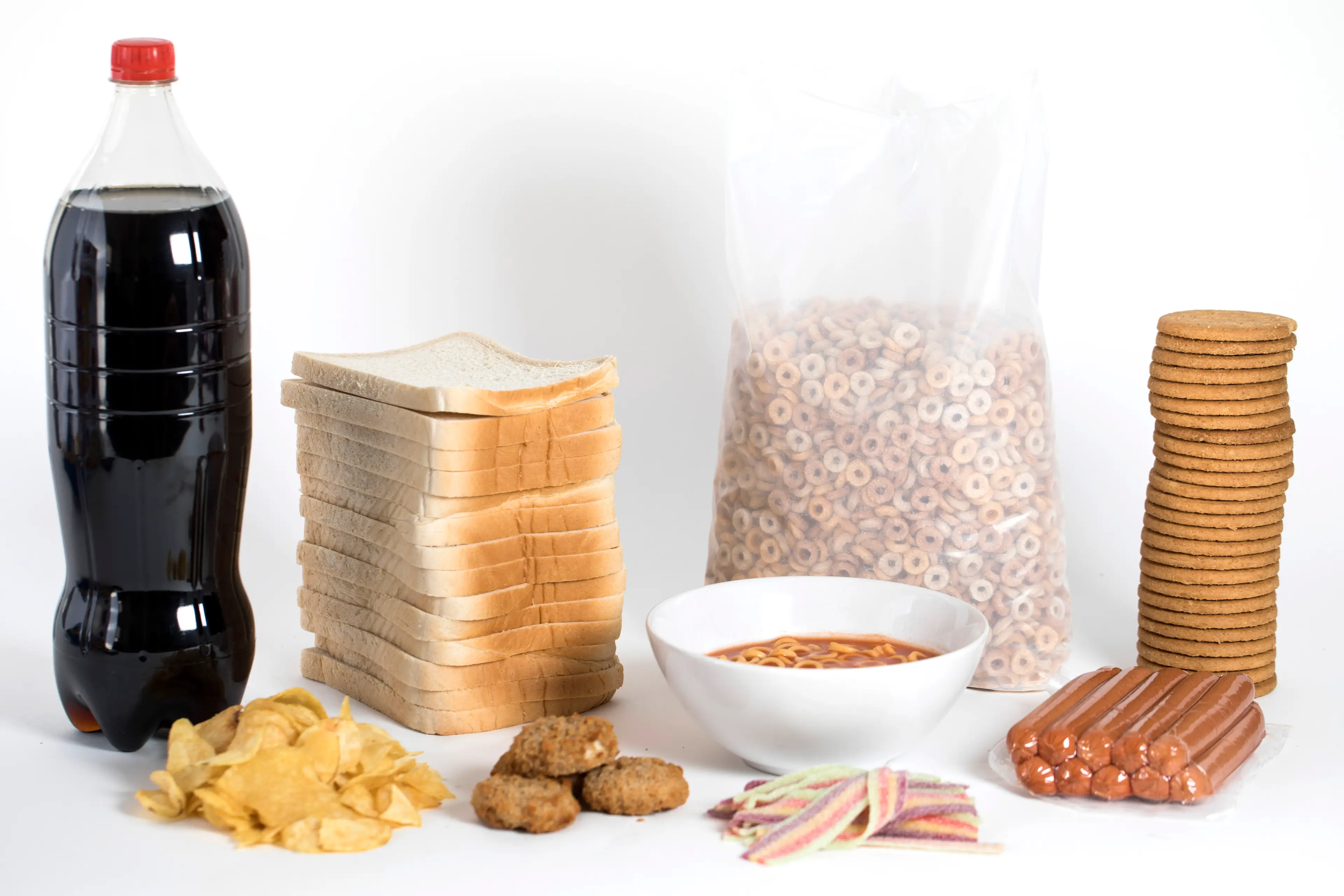
Studies have previously suggested that the increased consumption of ultra-processed foods (UPFs) could be driving a rise in bowel cancer diagnosis
Research published in the journal Jama Oncology found that of 29,105 participants - who had undergone a colonoscopy and didn’t have a history of inflammatory bowel disease - those who had a greater intake of UPFs also had an increased risk of the early onset of a common type of bowel polyp known as conventional adenomas.
“It doesn’t suggest that if you eat UPFs, that you are inevitably going to develop cancer. That’s certainly not our message,” said Dr Andrew Chan, lead author of the study based at Massachusetts General hospital in the US.
“But it’s a piece of the puzzle in terms of what might be driving underlying cancer rates.”
Speaking about the suggested link between UPFs and the raised risk of cancer, Professor Berry added: “We don’t know that for certain but it’s something that needs to be investigated.”
There are various ways you can cut down on processed foods, including choosing products with five ingredients or less, and cooking from scratch as much as reasonably possible.
Some easy item swaps include selecting plain instead of fruit yoghurt, cereal bars for homemade flapjacks, and french fries for sweet potato wedges you made yourself.
 Ella Scott