
Blue Zone ethos of 'Hara Hachi Bu' could help you live longer

For some people, longevity is the ultimate life goal.
Data from the office for National Statistics says that in the United Kingdom, women are expected to live for 83.3 years, while men fall a little shorter at 79.4.
However, if it’s your dream to make it to 100 years old and receive a letter from the British monarchy, then you may already have some tried-and-tested life practices in place.
These may include maintaining a healthy weight, eating a balanced diet, taking regular physical activity, and steering away from red and cured meats.
Advert
However, if you speak to people who’ve already made centurion status, then you may be inclined to add daily shots of alcoholic liquor to your diet, or start eating your fair share of vegetables and chocolate.

Dan Buettner, who is a best-selling author and health fanatic, has previously made a case for beans being the ‘number one food for longevity’, while other experts have warned against consuming too much dairy, sweets, and burgers.
Another popular longevity ‘hack’ is the art of Hara Hachi Bu—a practice specialists promise will help ‘foster a healthier relationship with food’.
What is Hara Hachi Bu?
The ancient Japanese concept of Hara Hachi Bu encourages people to eat up until the point where their stomach is 80 percent full.
The cultural practice promotes mindful eating and helps avoid excessive consumption.
Benefits include portion control, better digestion, bloating prevention, and weight management.

According to Alyve, you can easily begin incorporating Hara Hachi Bu into your daily life by: slowing down meal times and thoroughly chewing your food, recognising hunger cues, and eating without distractions by moving your phone away or turning off the television.
Netflix documentary popularised Hara Hachi Bu
In August 2023, the docuseries Live to 100: Secrets of the Blue Zones, debuted on Netflix, with Buettner speaking at length about Hara Hachi Bu.
The 65-year-old explorer, who has dedicate the last 20 years of his career trying to unlock the secret of longevity, travelled to Okinawa, Japan, during the first episode of the show.
Okinawa has been identified by the National Geographic fellow as being a ‘blue zone’ - a specific geographic region where the world’s highest concentration of centenarians live.

While in the city, the health expert spoke to various older residents who admitted they use ‘Hara Hachi Bu’ as a pre-meal blessing and a reminder to eat mindfully.
Asako Miyashita, a New York-based dietitian who grew up in Japan, backed up recital claims in an interview with Women’s Health Magazine.
She explained to the outlet that she remembered her family uttering the words before eating food in her childhood.
What experts say about Hara Hachi Bu
It’s important to note that Hara Hachi Bu is not a diet - it’s a lifestyle practice that doesn’t restrict calories or eliminate certain food groups, said Kouka Webb, another Japanese-raised dietitian.
Meanwhile, Michael Clark, a London-based registered osteopath, described the mindfulness action as a ‘holistic approach to living’.
“By incorporating this principle into your daily routine, you can foster a healthier relationship with food, manage your weight more effectively, and enjoy the numerous health benefits that come with mindful eating,” he wrote for Clarks Healthcare.
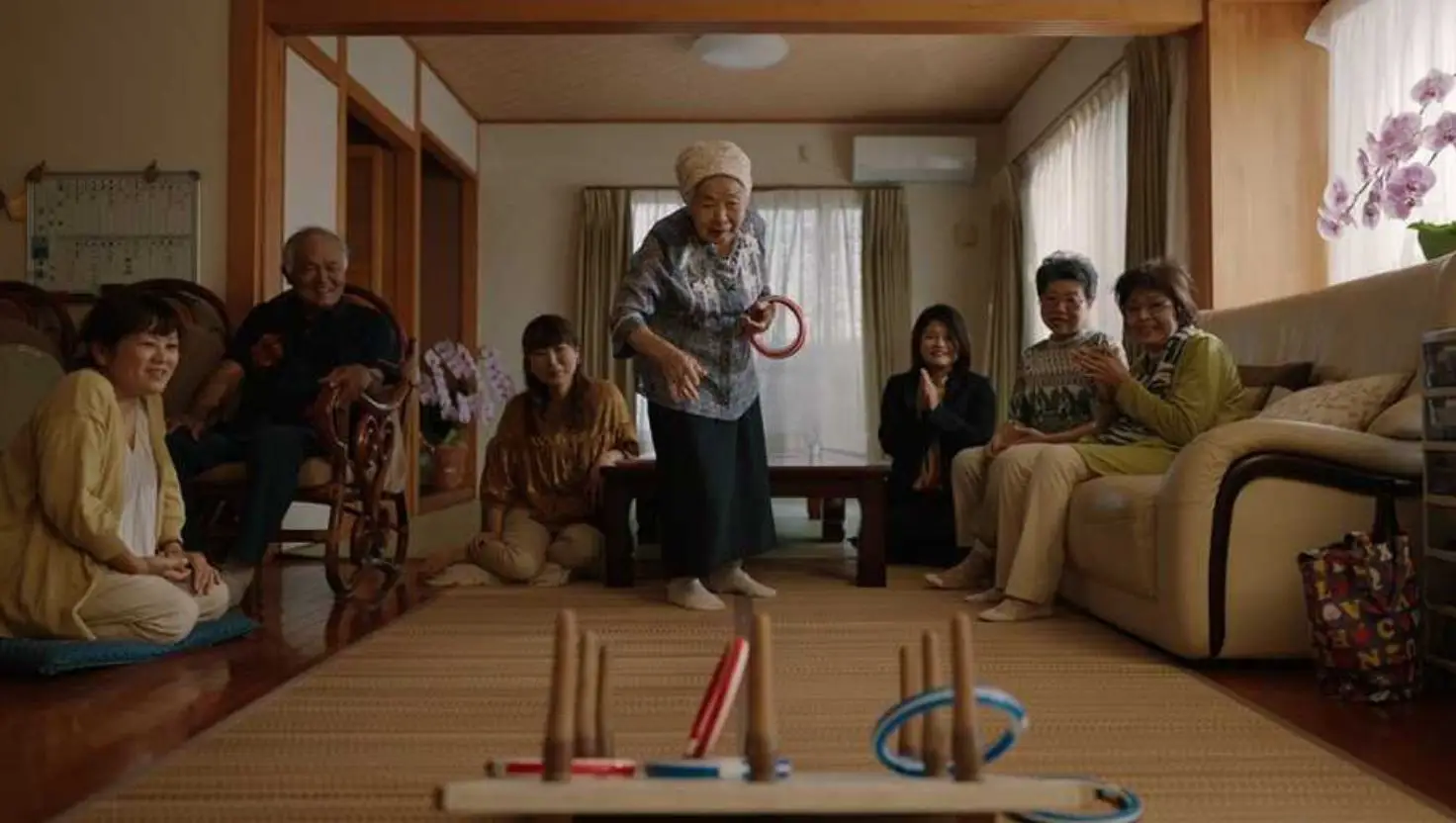
There is also adequate research suggesting that living by the Blue Zone ethos can help increase your lifespan.
A 2024 study found that people living in Okinawa - one of five Blue Zones in the world - had far fewer age-related illnesses like diabetes, heart disease, and cancer.
Moreover, the incidence of prostate, colon, and breast cancers were 50 percent lower in Okinawans when compared to other Japanese citizens, as per a 2009 study.
How to safely practice Hara Hachi Bu
There’s a danger of over and under-eating when first practicing Hara Hachi Bu, Webb warned.
“Individuals may misjudge their fullness and consistently eat too little, which can lead to nutritional deficiencies over time.”

Keeping a food journal, visually estimating 80 percent of your portion, and assessing your hunger throughout your meal should keep you on the right track.
Miyashita also recommended chewing each bite ‘more than 15 times’, inspiring slow eating.
This is because it can take around 15 to 30 minutes of eating for the stomach to inform the brain that it is full, the Cleveland Clinic confirmed.
If you have a history of disordered eating, or are not sure whether this mindful way of eating is for you, then it’s worth checking in with a general health practitioner or seeking advice from a dietician.
Topics: Diet, Health, News, TV and Film
 Ella Scott