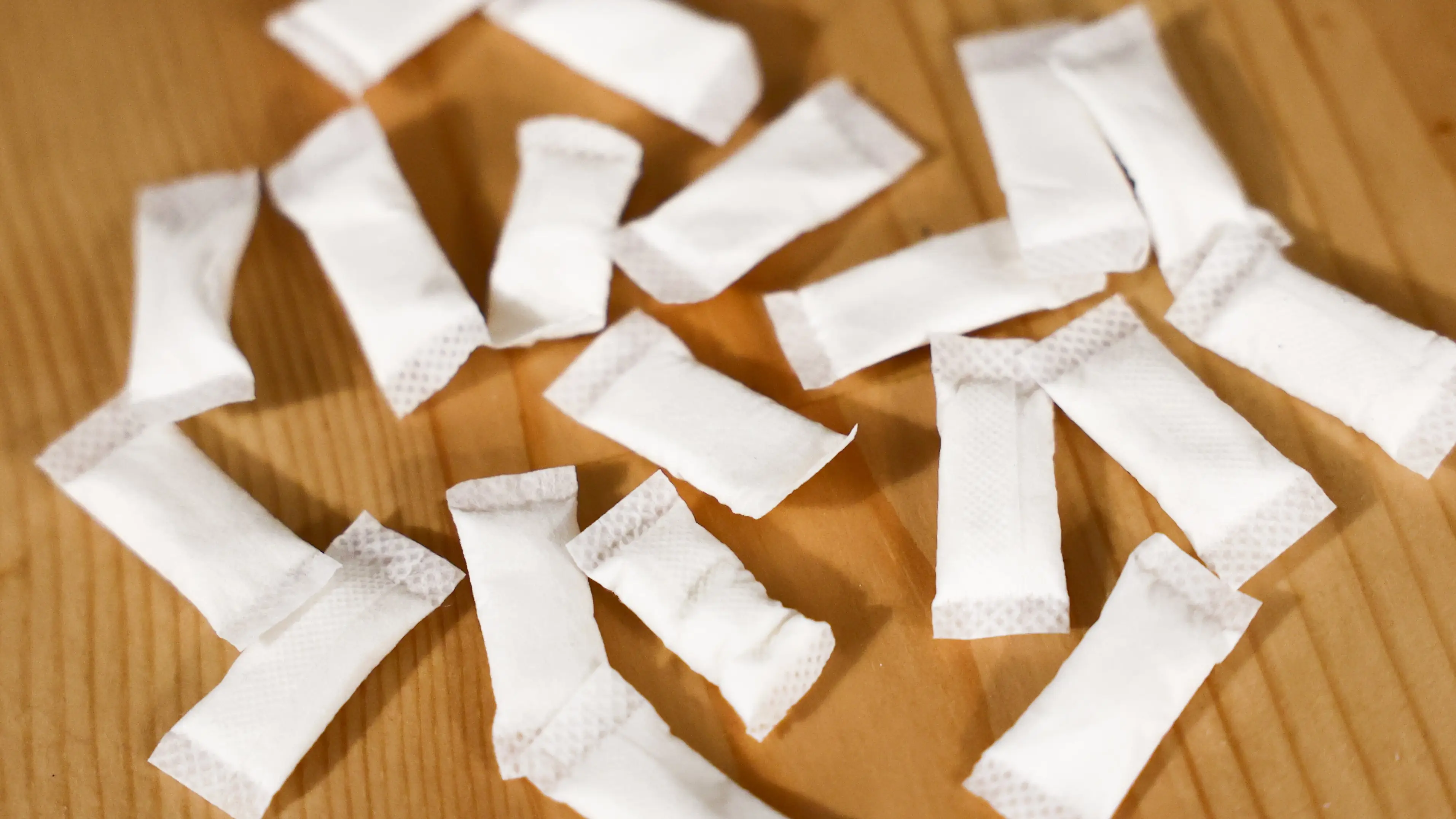
Warning over 'worrying' new caffeine pouches 'rapidly growing' in popularity

Experts have warned that the rising popularity of caffeine pouches could have a devastating effect - particularly on the younger generation.
While many of us consume our caffeine from coffee, tea, chocolate and natural energy-boosting snacks, others choose to find the stimulant in energy drinks and, more recently, purpose-made pouches.
These small, teabag-like packets are used by one in five professional footballers in England, according to Loughborough University experts.
And ‘worryingly’ they are soaring in popularity among people of all ages, with sales booming in the UK, according to Baris Ozcan, director of smoke-free products at Philip Morris Limited.
Advert
He told The Grocer that the ‘pouches can be used anywhere and any time, which is a key driver to their appeal’.
However, experts are warning that caffeine pouches infiltrating the British market at a rapid pace may not be a good thing for children and teenagers.
Caffeine pouches could impact children’s health, say experts
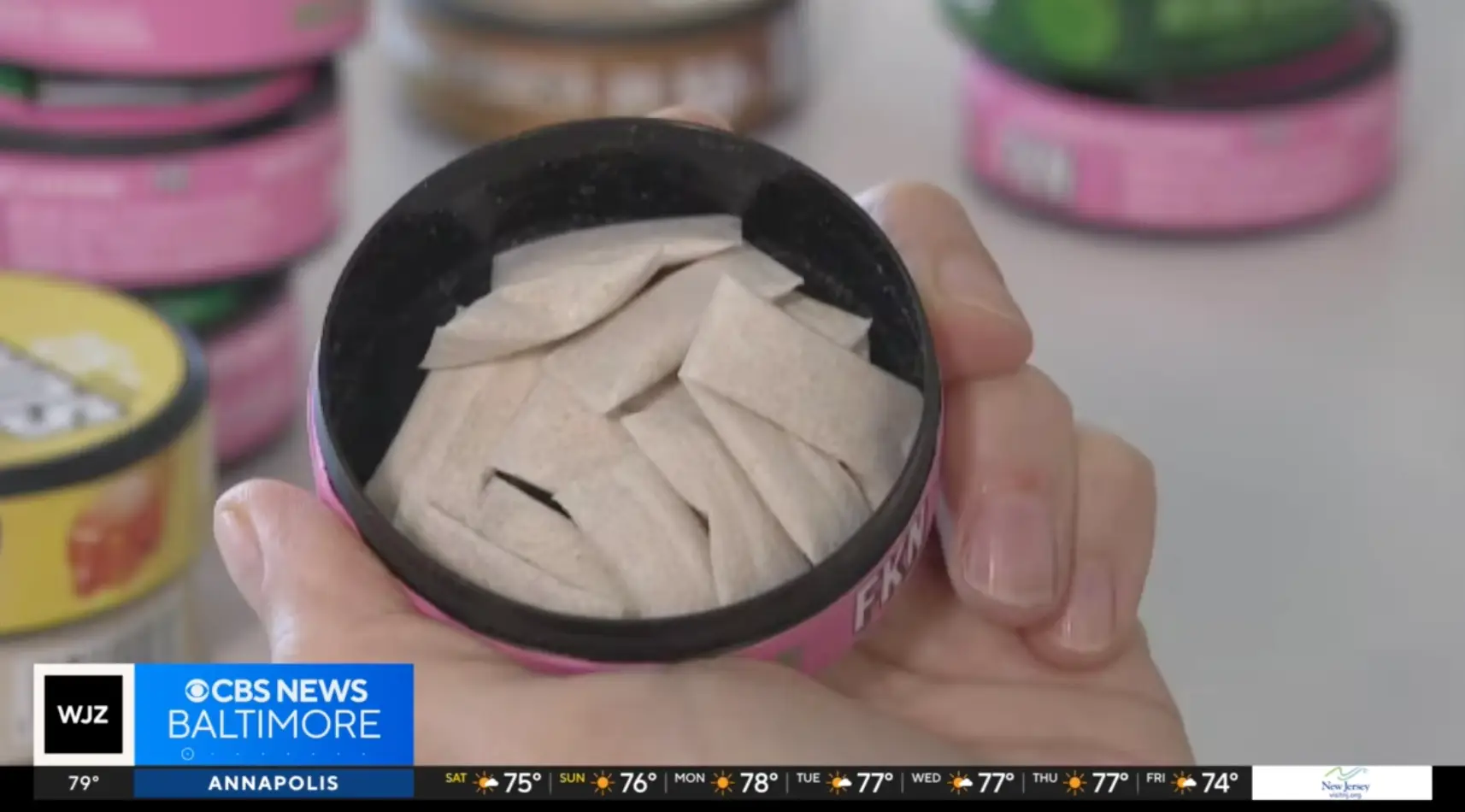
Currently, people under 18 are allowed to purchase tins which often contain up to 200mg of caffeine in each pod.
This is concerning because of how easy it can be for kids to ‘take more than intended’, according to British Dietetic Association dietitian Aisling Pigott.
Too much caffeine (over 100mg for children aged 12 to 18) can cause young people a range of problems, including digestive issues, high blood pressure, racing thoughts, and insomnia.
Dr Hamilton Gaiani, a board-certified psychiatrist practising in Connecticut, told the Daily Mail last year: “Teenagers are still growing, and their brains are more susceptible to these effects.”
“Excessive amounts of caffeine can also result in concentration problems, stress, and in some cases, panic attacks,” he added.
It’s also possible that these susceptible children, who are often marketed these caffeine products via social media, may experience a caffeine overdose.
Trouble breathing, muscle twitching, seizures, and confusion are all symptoms of consuming more than the recommended daily amount of caffeine.
Calls for better caffeine pouch policing
One person who has spoken out against the lack of policing where caffeine pouches are concerned is Barbara Crowther, campaign manager for the Children’s Food Campaign.

She has called for the government to ‘keep caffeine pouches and other highly caffeinated products under review.’
Speaking to The Grocer, the advocate explained that she wants similar laws brought in against caffeine pouches that are already in place to restrict sales of high-caffeine drinks.
In September, the British government proposed the minimum age of sale for high-caffeine energy drinks should be 16 years.
Crowther joins the other health officials who are sounding alarm bells, claiming that children could end up absorbing dangerously high levels of caffeine if stricter regulations are not brought in soon.
Caffeine pouch survey results
In a survey conducted by The Grocer, 20.8 percent of 1,921 UK adults confirmed they were familiar with these pick-me-up packets.
Moreover, 26.1 percent said they would be interested in trying caffeine pouches, with 35.2 percent of 35 to 44-year-olds expressing an interest in trial.
The poll, which was in collaboration with product intelligence platform Vypr, also found that 30 percent of Brits would describe the product as ‘worrying’.
21 percent of survey respondents also called them ‘addictive’.
Caffeine does have benefits
Despite the negativity, caffeine does have some benefits for adults.
John Hopkins Medicine states people who regularly consume small doses of the stimulant are less likely to develop heart failure and Parkinson’s disease, as well as process glucose better.
Other benefits listed include 'stronger' DNA as well as decreasing the odds of developing colon cancer, and suffering a stroke.
 Ella Scott