
World's 'number one food for longevity' is something you'll already have in your kitchen

If you dig around the back of your pantry then you may find a can of what one health expert has dubbed the ‘number one food for longevity’.
The fabled fountain of youth may not exist outside of Disney’s Pirates of the Caribbean franchise, but that doesn't stop scientists from researching what products are likely to prolong your life.
The new US dietary guidelines recommend avoiding ultra-processed foods and items with added sugar, while some centurions credit vegetables and chocolate for their age.
But, according to Dan Buettner, a 64-year-old National Geographic Fellow, best-selling author and host of Netflix's Live to 100: Secrets of the Blue Zones, the secret to enduring life may already be a staple in your diet.
Advert
Taking to TikTok, the TV host spoke about the importance of fibre, claiming Americans don’t get enough of it in their daily lives.

The guidelines recommend adults consume 25 to 30 grams of fibre per day, but previous studies suggest that 95 percent aren’t heeding advice.
So, what was Buettner’s ‘number one longevity food in the world’?
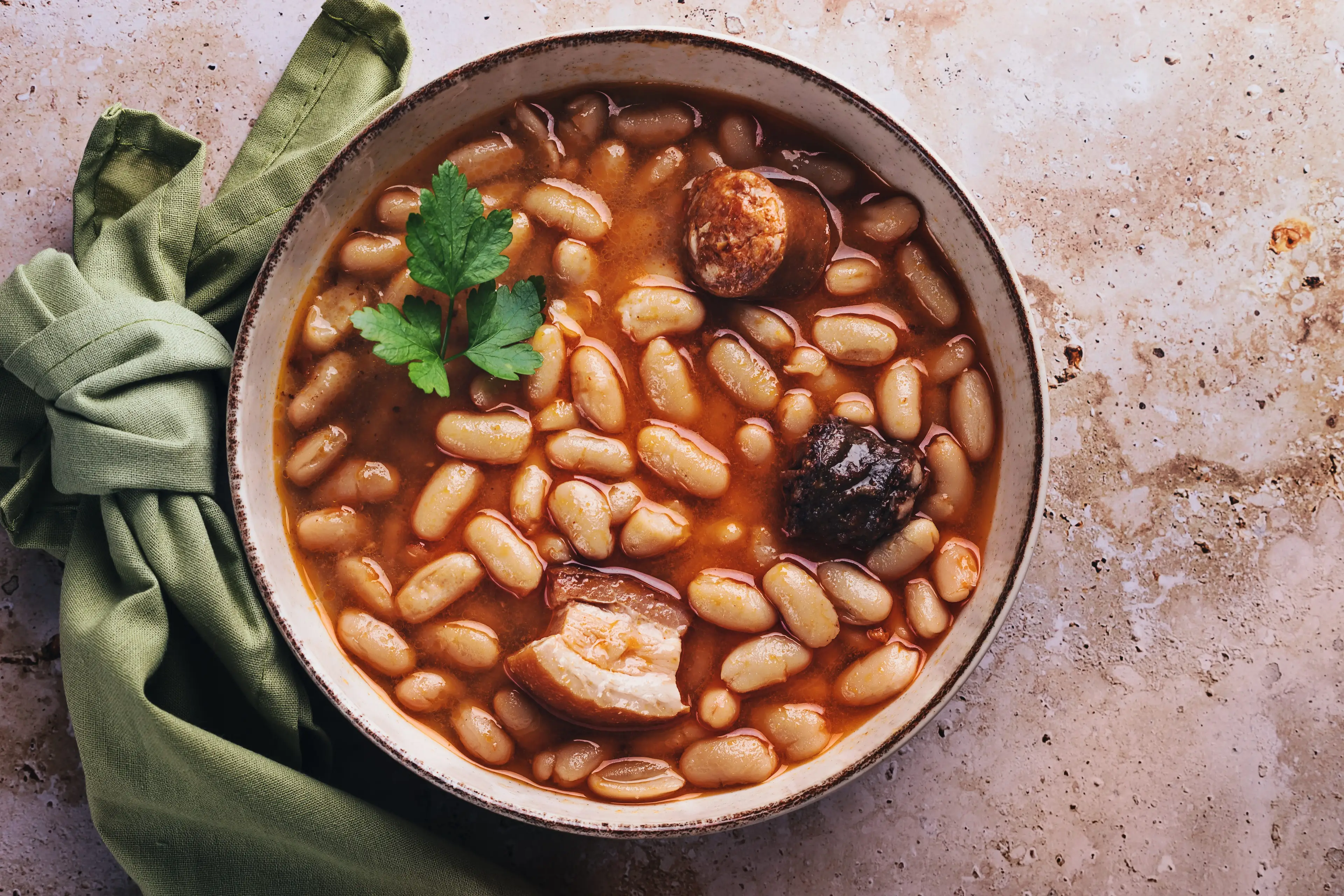
Well, you may be surprised, but it’s beans.
"It's the cornerstone of every blue zone diet in the world, and we know that eating just one cup of cooked beans is associated with four extra years of life expectancy,” he said in the clip.
"It's a great source of complex carbohydrates. It's a great source of fibre, most Americans don't get enough fibre, and with a protein-obsessed country, it's a great source of healthy protein."
But it isn’t just Buettner waxing lyrical about beans.
The advisory committee behind the 2025-2030 US dietary guidelines state that US citizens should be consuming around 2.5–3 cups of legumes per week as part of a healthy, sustainable diet.
Moreover, a 2024 study published in Maturitas suggested that daily servings of canned and dry beans ‘significantly increased overall diet quality in all adult age groups’.
The researchers also found that the product were ‘associated with greater intake of shortfall nutrients’, such as magnesium, iron, and folate’.
As well as being an excellent source of fibre, beans and other legumes can act as an excellent plant-based protein source.
Chickpeas, lentils, kidney beans, black beans, and soybeans, among others, are hailed by Healthline as a protein-heavy alternative to red meats.
If you’re not used to beans in your diet then be aware that they can cause gas in your digestive system.
Sharon Palmer, a registered dietitian, said that gradually adding small servings to your diet should give your gut time to adjust
 Ella Scott