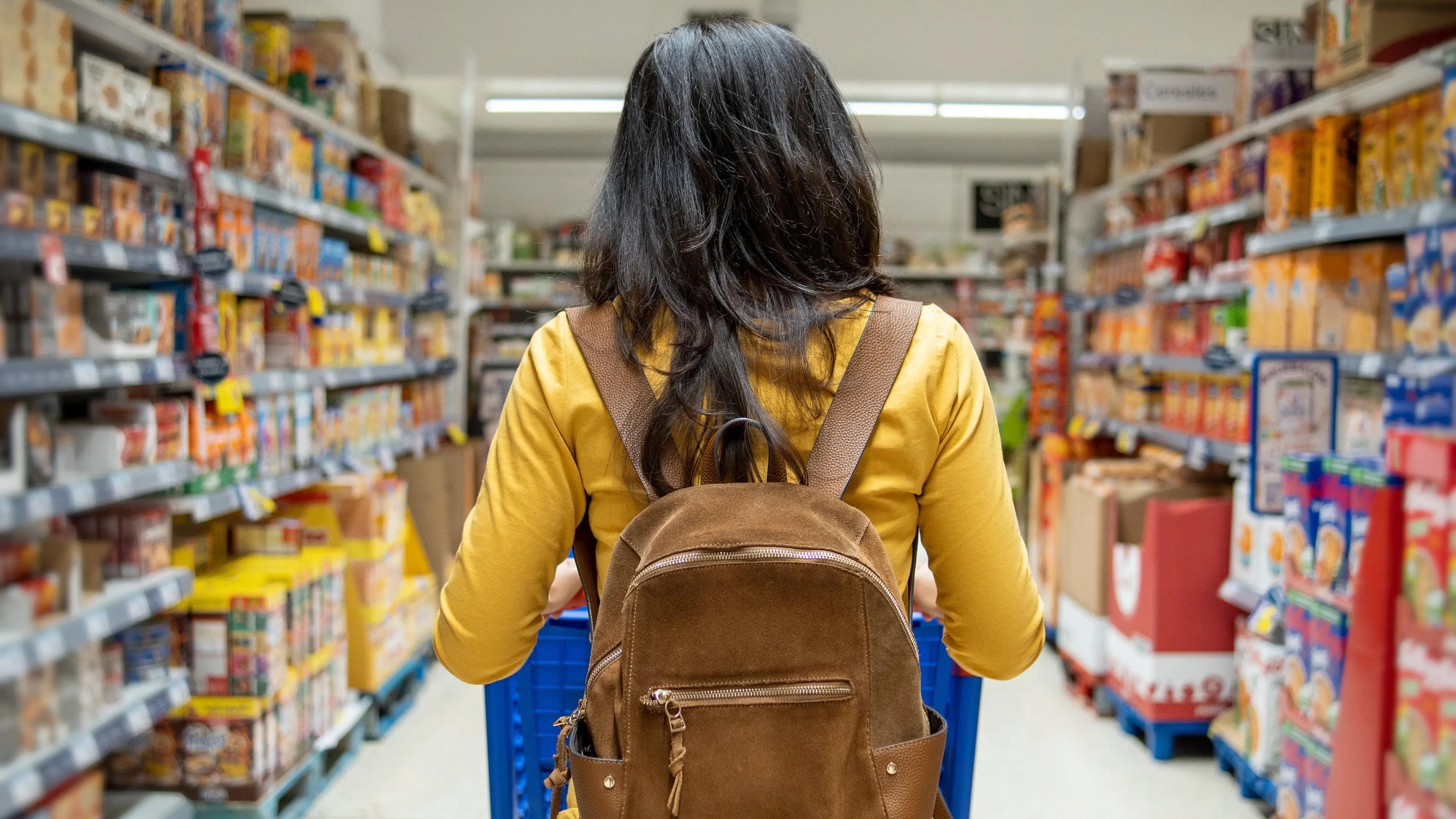
111 chemicals of unknown safety levels have been added to US food supply

The US food supply has been tainted with unknown materials, without the US Food and Drug Administration knowing.
The shocking news has since led to an investigation to be launched by the Environmental Working Group, with its VP, Melanie Benesh, stating it’s becoming the norm to keep ingredients secret.
Considering the US Health Secretary, Robert F Kennedy Jr. has been on a warpath against sugar, it’s a little shocking that things that are potentially worse for your health have slipped past.
An investigation into the food industry also found that 22 of the chemicals were extracted from natural materials, with ingredients like cinnamon, cocoa, aloe vera, grape skins, and more.
Advert
But while they appear natural and safe, investigators have said it’s possible to be otherwise.
Biochemist and co-author of the investigation, Maricel Maffini, said: "When you start taking substances from grape skin, aloe vera and mushrooms, for example, you may have a concentrated extract or cocktail of substances that come out of it. You should be able to test that extract or cocktail if it is going to be in the marketplace."
Now, you might be wondering how exactly the US food regulatory body didn’t know about the 111 unknown substances being distributed to the masses, but there’s a loophole that doesn’t occur in many other nations.
Apparently, it’s actually voluntary in the US for companies to have to prove their ingredients are safe and also hand over any scientific evidence to support it.
Companies need to make sure they are 'generally recognized as safe' (GRAS), to be compliant in the food industry, but Melanie Benesh told CNN it’s not happening.
The VP said: "Food companies are deciding on their own to secretly add unreviewed chemical ingredients to products instead of following existing federal guidelines meant to assure food is 'generally recognized as safe'.
"Manufacturers now routinely exploit this GRAS loophole — it's fast becoming more 'generally recognized as secret' instead of 'generally recognized as safe.' Because the government has never reviewed these chemicals, consumers have no way of knowing if they are safe or carry unknown health risks."
So, people are eating at their own risk.
Because the loophole is legal, it can become tricky to navigate.
Mathilde Touvier, director of research at France's National Institute of Health and Medical Research, says supporting it from a 'scientific and ethical standpoint' is hard, stating: "It is highly problematic that companies are allowed to self-determine that their own ingredients are 'GRAS,' given the obvious financial conflict of interest. Decisions about the safety of food chemicals should be based on independent assessment by public health authorities."
Topics: US Food
 Britt Jones