
Experts share word of warning around RFK Jr's new protein guidelines

Experts are weighing in on Robert F Kennedy Jr and the Trump administration’s dietary advice, warning how centralising protein could lead to serious health concerns.
Earlier this month, the US Department of Agriculture and the Department of Health and Human Services collaborated to release the 2025-2030 US Dietary Guidelines.
The 10-page document saw a major departure from previous alcohol guidance, advising US citizens to abstain from added sugars for the first time, and a fresh new ‘Food Pyramid’.
The latter, re-introduced for the first time since 2011, suggests protein sources such as red meat, chicken, and fish, as well as vegetables, fruit, and full-fat dairy products.
Advert
Previously, it was recommended that adults eat 0.8g per kilogram of body weight. This has now been bumped up to 1.2 to 1.6 grams per kg.
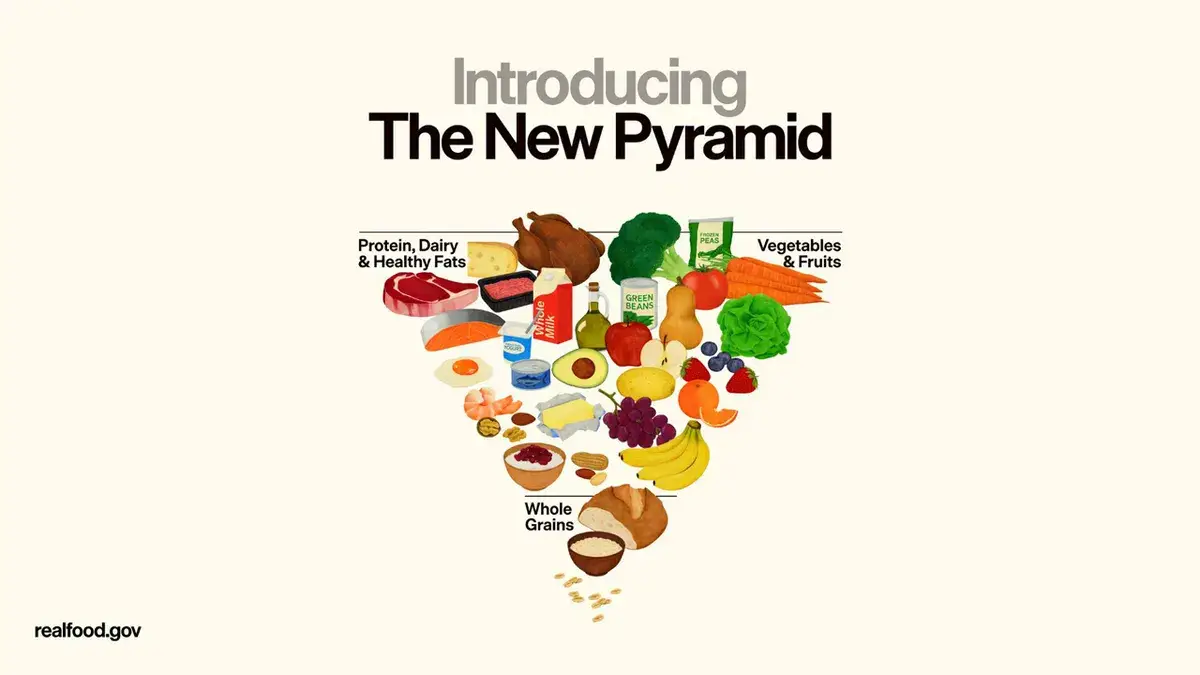
The dietary guidelines also insist that highly processed foods are limited, along with refined grains.
However, health experts have shared words of warning, claiming the new protein mandate may ‘confuse’ Americans.
Too much protein could impact fat levels
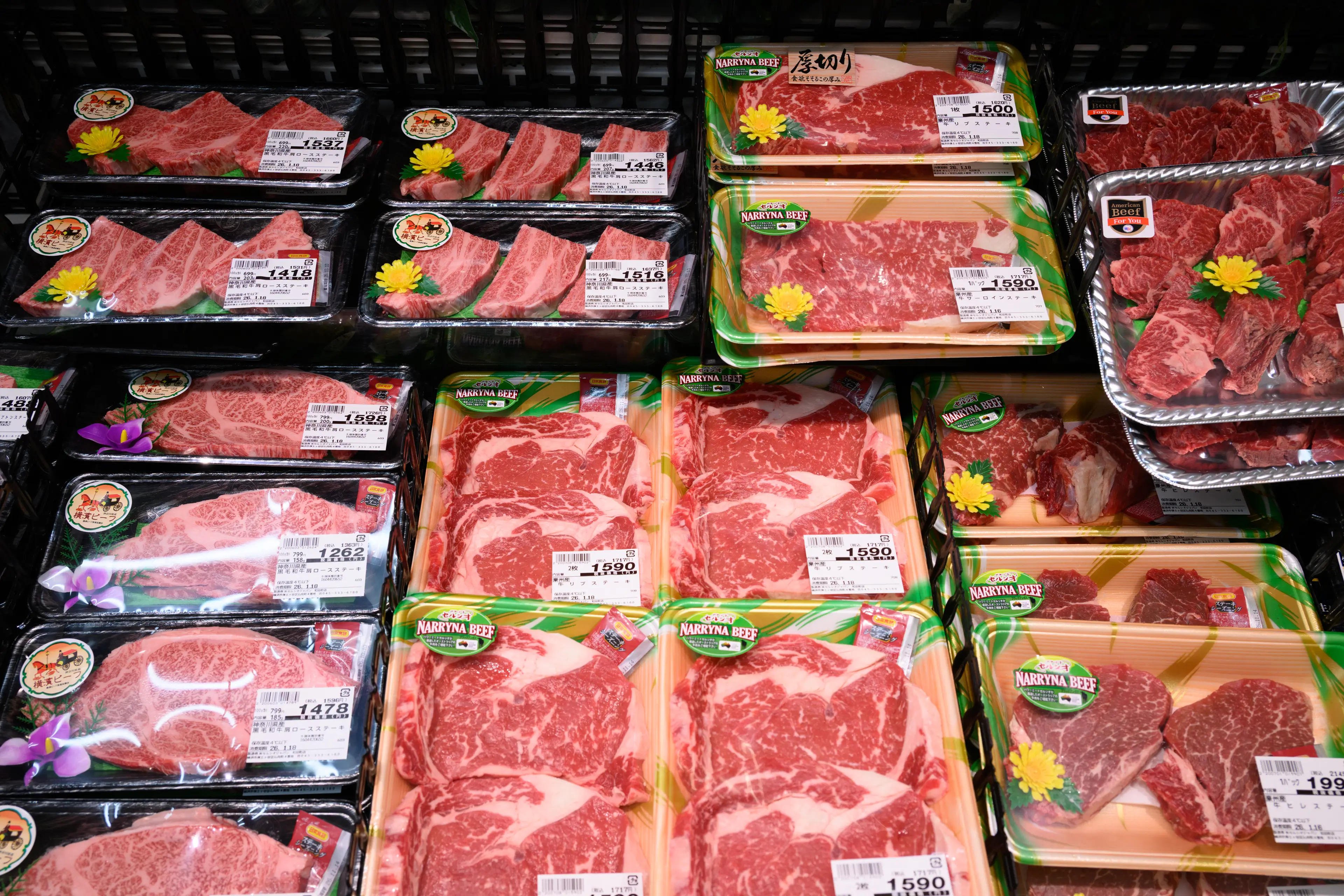
Nutrition experts believe that increasing our protein consumption could lead to more fat in our bodies.
Dr Dariush Mozaffarian, a Tufts University nutrition expert told the Associated Press that too much fat can increase the risk of dangerous fat development in the abdomen and around the body’s vital organs and boost the risk of diabetes.
Moreover, it’s understood that too much protein may cause diabetes cases to shoot up.
“If you’re actively building muscle with strength or resistance training, more protein can help," he said.
He claimed that if you’re not doing either of these things, then you’re probably getting ‘enough’ protein in your diet already.
Influx of ‘protein-packed’ products
Christopher Gardner, a nutrition expert at Stanford University, claimed that the new guardrails may see sales of protein-enriched, ultra-processed food increase.
This may include breakfast bars, cereals, and toaster pastries with added protein.
The food expert said this was worrying, considering the guidelines want to encourage people to ‘eat real food, eat whole foods’.
Gardner said: “I think they’re going to confuse the public in a big way. I think the American public’s gonna go buy more junk food.”
Praise for the new protein guidelines
Robert F Kennedy Jr, the United States Secretary of Health and Human Services, is a confessed big believer in protein.
The 72-year-old, who previously admitted to following a variation of the controversial ‘Carnivore diet’, said that previous guidelines ‘wrongly discouraged’ the consumption of protein and healthy fats.
“What we're stressing is that people should be eating protein,” he added in conversation with CBS News.
Meanwhile Julie Anna Potts, Meat Institute President and CEO, said: “We are pleased the Dietary Guidelines recommend Americans prioritise protein and that families can get that protein from nutrient dense meat and poultry.
“Secretary Rollins and Secretary Kennedy’s leadership have simplified the Dietary Guidelines making it clear that meat is a protein powerhouse which plays a vital role in healthy diets.”
When previously asked to comment regarding concerns over protein, alcohol and conflict of interest, a USDA spokesperson told FOODbible: "Expert reviewers conducted systematic reviews, umbrella reviews, and comprehensive literature syntheses. Evidence was evaluated based solely on scientific rigor, study design, consistency of findings, and biological plausibility. All reviews underwent internal quality checks to ensure accuracy, coherence, and methodological consistency."
 Ella Scott