What Trump Administration's new dietary guidelines say about alcohol

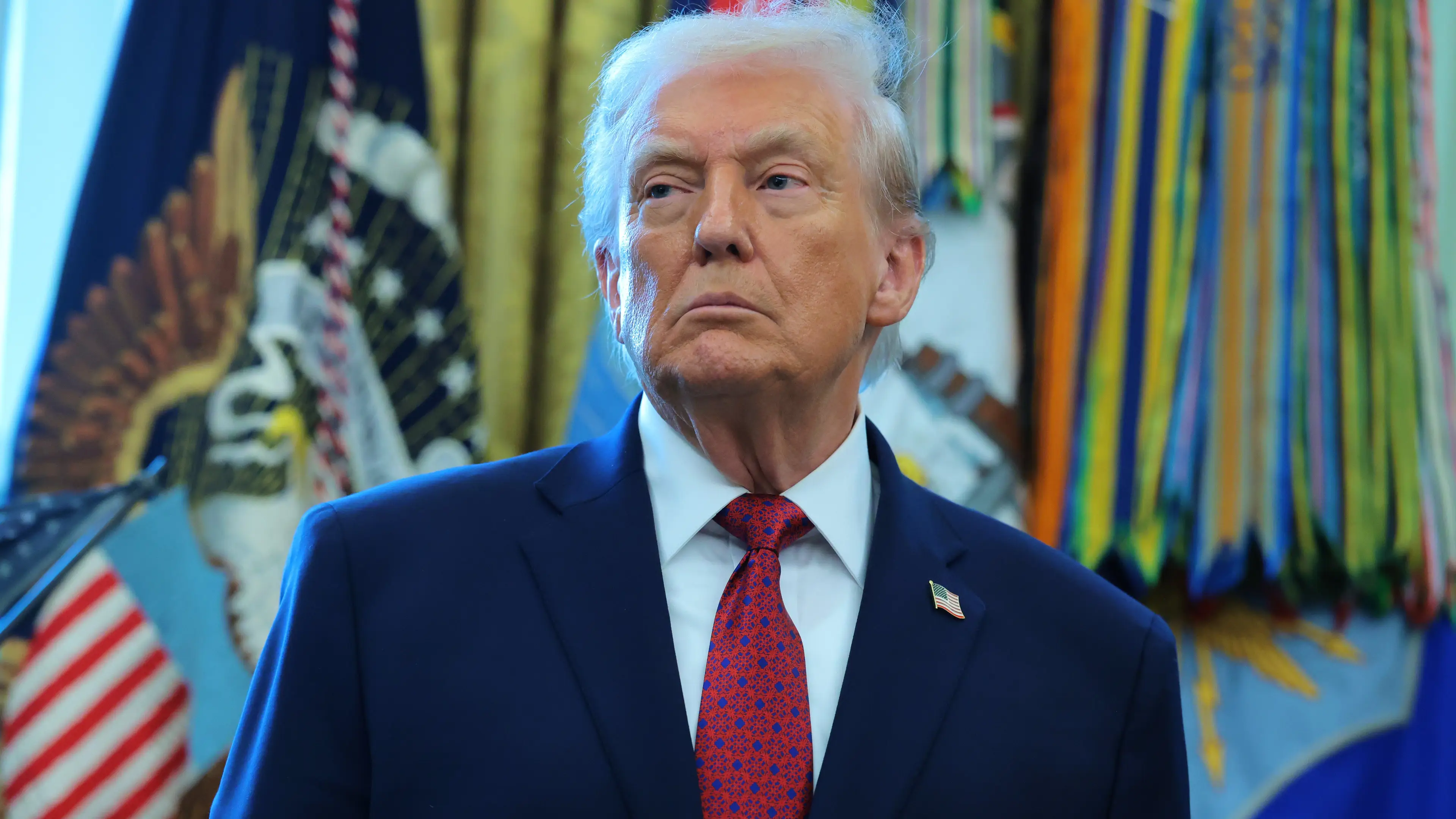
The Trump administration revealed its revamped dietary guidelines this week, including a major departure from previous advice on alcoholic beverage consumption.
Described as ‘the most significant reset of federal nutrition policy in history’, the 2025-2030 legislation was published on Wednesday (7 January) by the US Department of Agriculture (USDA) and the US Department of Health and Human Services.
The 10-page document, which vows to ‘restore science and common sense’, covers everything from nutrition for lactating women to vegans.
It was accompanied by a revised food pyramid, urging Americans to prioritise proteins such as steak, saturated fats, and vegetables.
Advert
“Every American deserves to be healthy - but too many Americans are sick and don’t know why,” a notice from the Department of Health and Human Services alleged.
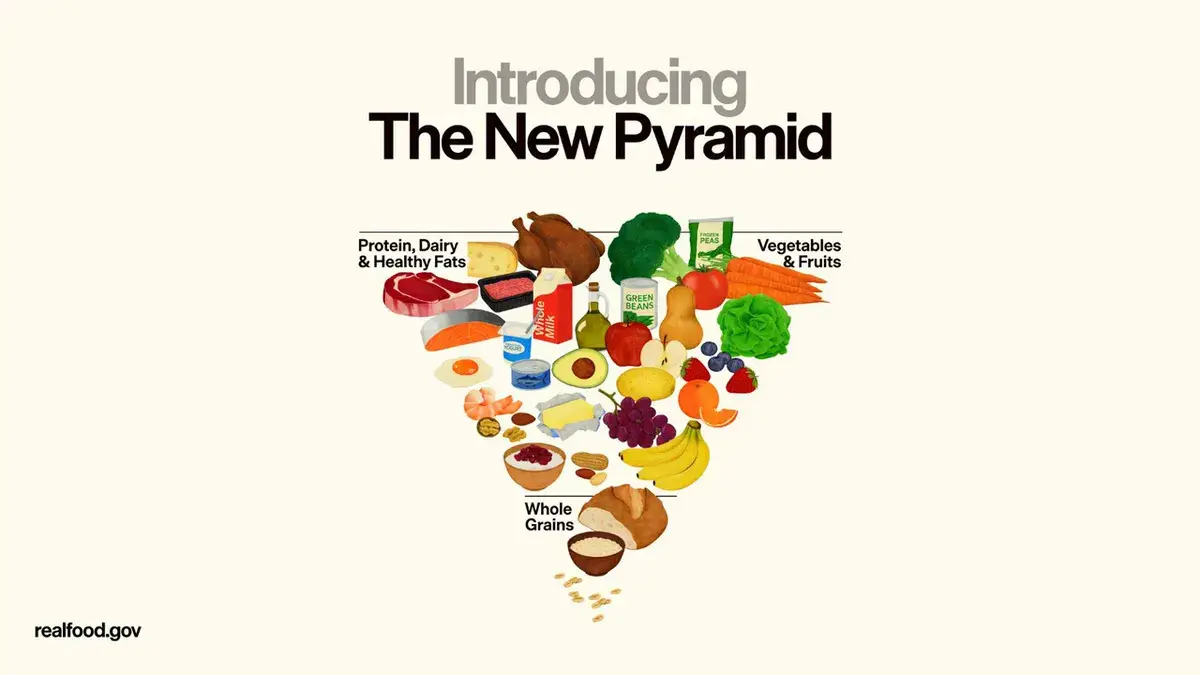
“The new dietary guidelines call for prioritizing high-quality protein, healthy fats, fruits, vegetables and whole grains – and avoiding highly processed foods and refined carbohydrates.”
High-quality, nutrient dense protein foods’ are recommended while adults are advised not to consume added sugars and limit indulging in simple carbs, such as white bread, pastries, and carbonated sodas.
The dietary guidelines also tackle alcohol consumption, removing one clear guardrail.
At an official press conference, Dr Mehmet Oz, the administrator of the Centers for Medicare & Medicaid Services, discussed the reason why the documents no longer deliver specific guidance for safe intake of alcohol.
Experts previously advised that women consume no more than one alcoholic drink per day and two for men.
Instead, the government is now suggesting citizens drink ‘less alcohol for better overall health’ with no specific limits.
Dr Oz reasoned that there was ‘never really good data to support’ the recommendation and that people should just drink ‘judiciously’ in small amounts.
“Alcohol is a social lubricant that brings people together,” he stated. ”In the best-case scenario, I don’t think you should drink alcohol."
He added that booze is sometimes ‘an excuse to bond and socialise, and there’s probably nothing healthier than having a good time with friends in a safe way’.
As well as failing to distinguish alcohol limits, Trump’s new dietary guidelines no longer warn that alcohol may heighten the risk of breast cancer and other malignancies.
In early 2025, leading US surgeon general Vivek Murthy issued a 22-page report highlighting how alcohol abuse contributes to 100,000 cancer cased and 20,000 cancer deaths in the US each year.
At the time, he said: “For certain cancers, like breast, mouth, and throat cancers, evidence shows that this risk may start to increase around one or fewer drinks per day.”
Further research suggest that drinking alcohol can increase the risk of oestrogen receptor-positive breast cancer by 35 percent, and the risk of oestrogen receptor-negative breast cancer by 28 percent, as per BreastCancer.org.
Mike Marshall, the chief executive of the Alcohol Policy Alliance, has described the dietary guidelines’ failure to list health complications a ‘win for Big Alcohol’.
“The thing the industry fears most are consumers educated about the link between cancer and alcohol,” he explained to The New York Times.
Katherine Keyes, a professor of epidemiology at Columbia University has claimed that the lack of clarity over alcohol limits will cause puzzlement.
“I don’t think there’s any magical cutoff,” she said, adding that guidelines are a ‘benchmark for people’ and that they ‘should always be updated with the most recent scientific evidence.’
According to the World Health Organisation (WHO), there is no safe amount of alcohol to drink.
Experts reasoned that ‘currently available evidence cannot indicate the existence of a threshold at which the carcinogenic effects of alcohol switch on and start to manifest in the human body’.
 Ella Scott