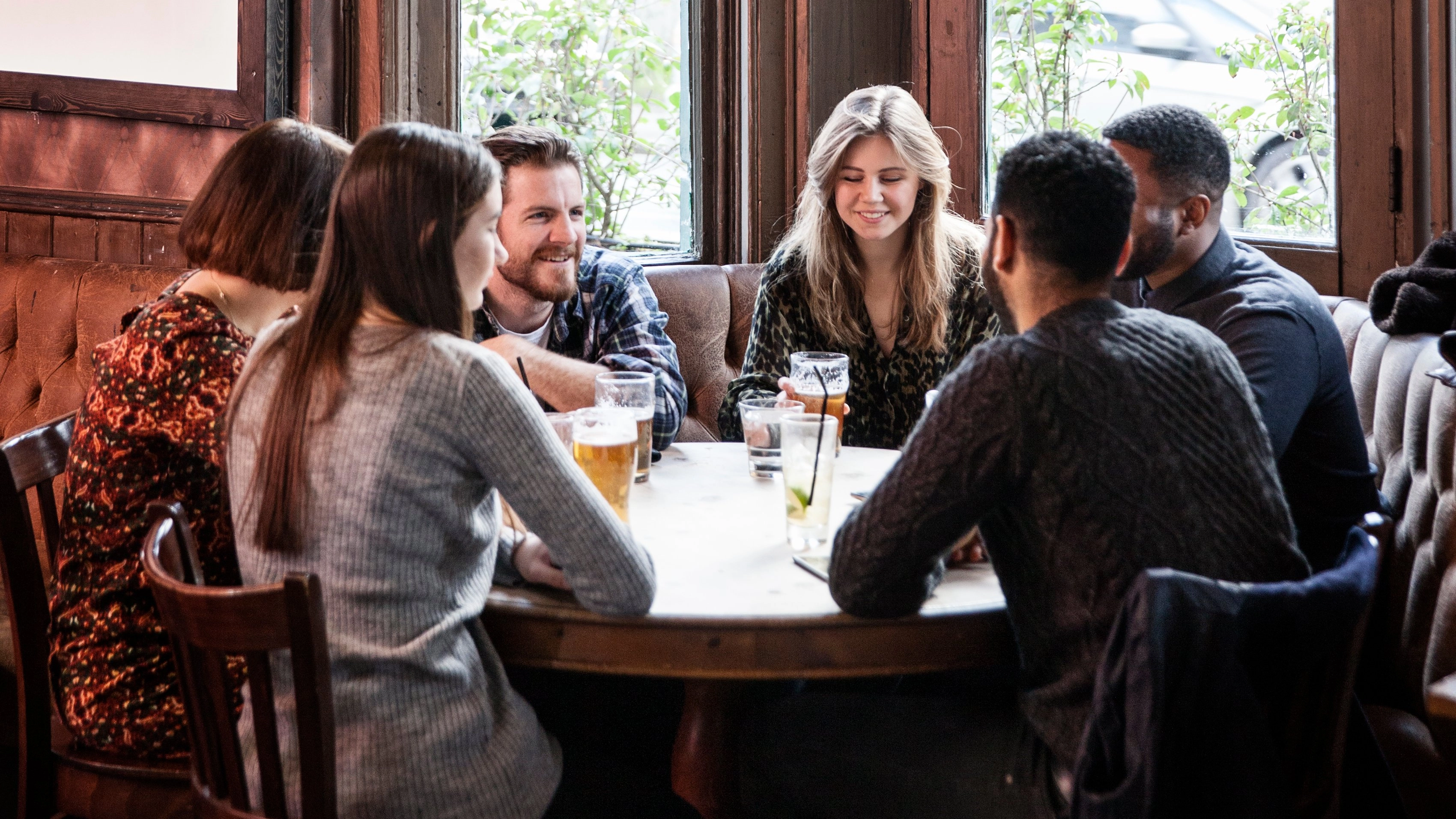
Subtle trick pubs use to make you stay drinking longer

An expert has revealed the sneaky design choice that pubs allegedly employ to get you to stay in the vicinity for longer.
Despite the World Health Organisation (WHO) stating that there is no safe level of alcohol that humans can consume, experts argue that light-to-moderate consumption can protect against type 2 diabetes, gallstones, and act as social lubricant.
Other health benefits that various studies have referred to include increasing overall affective expression, reducing stress levels, and improving certain types of cognitive performance.
If you’re someone who enjoys a glass of wine after work with your colleagues, or love nothing more than the Sunday afternoon roast dinner and pint combination, then you may be interested to know that furniture can actually play a huge role in how much time you spend in the pub.
Advert
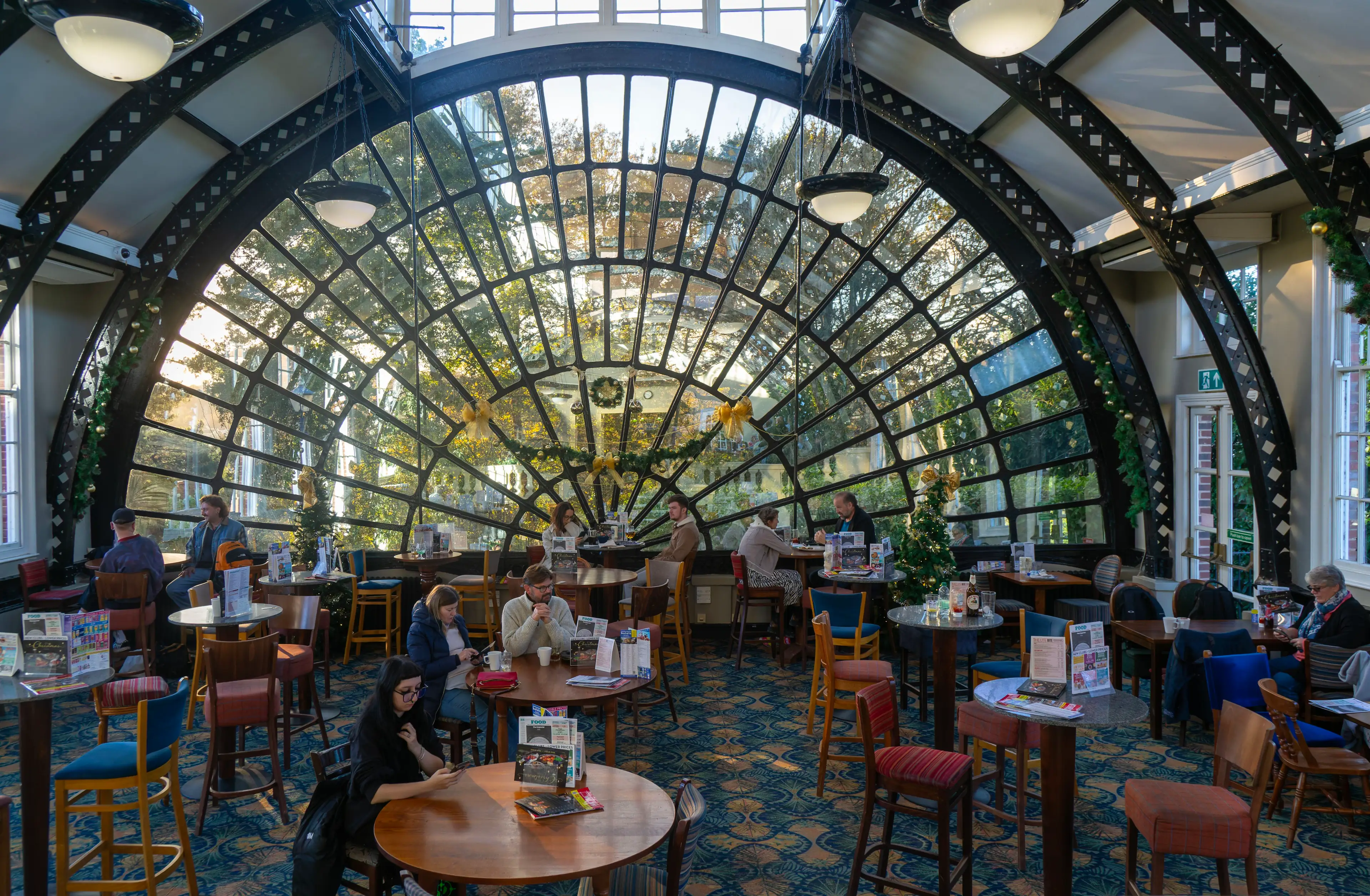
Next time you walk into your local, clock the drinking space - is it full of circular tables, or square sideboards?
If it’s the former, then research commissioned on behalf of My Furniture has suggested that you’re likely to spend an extra 42 minutes in the boozer.
This is because round pub tables naturally encourage conversation and inclusion, as per Dimitri Pappas, a sofa expert at the company.
“Pubs are social spaces first and foremost, and round tables support that perfectly,” he said.
“They subconsciously signal equality, no one is hosting, leading or dominating the group, which makes people more comfortable chatting, laughing and settling in.
“From a business perspective, that comfort really matters.
"When people feel relaxed and included, they tend to stay longer, order another round and enjoy the experience more.
“It’s a small design detail, but it can have a big impact on both atmosphere and revenue.”
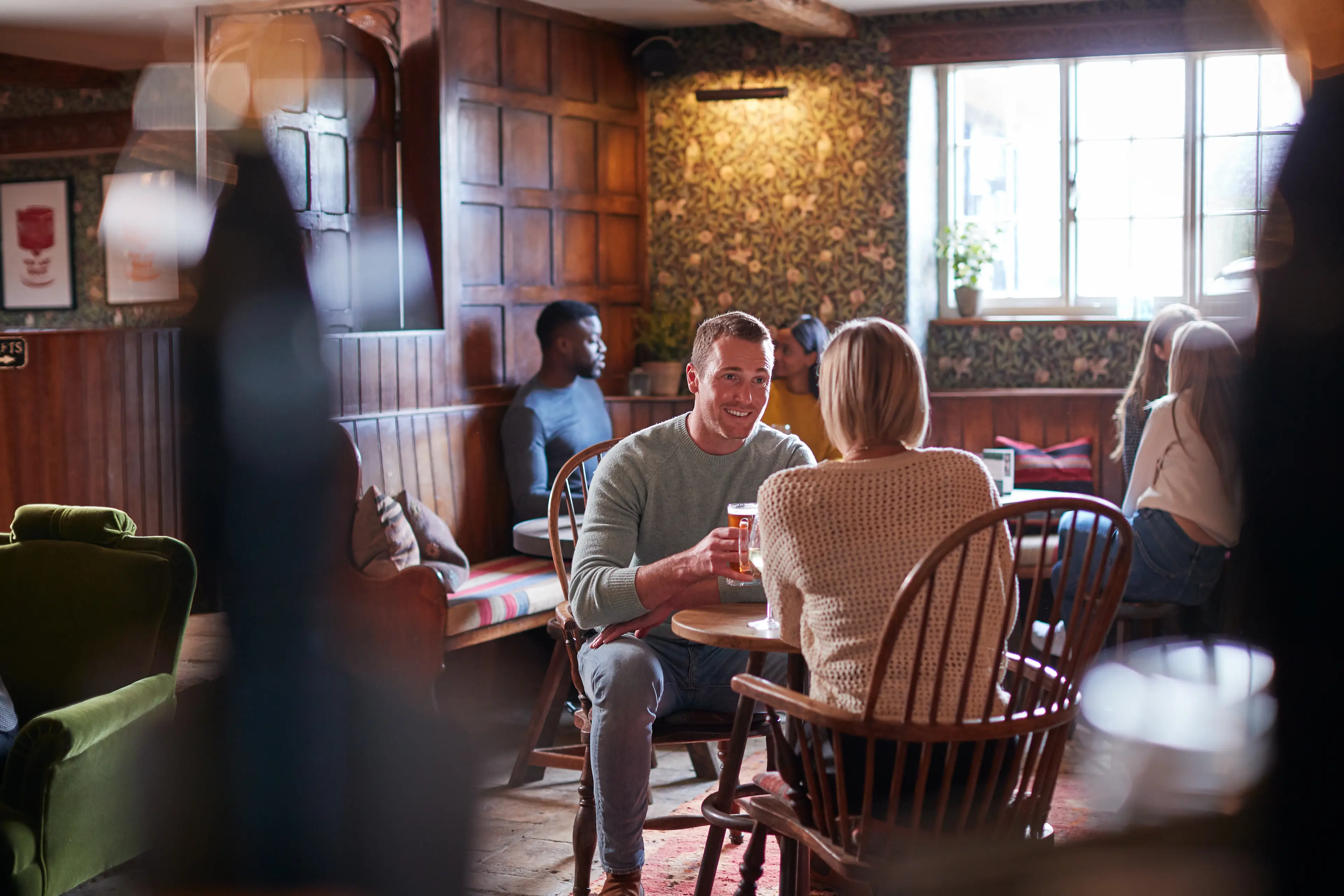
Research alleges that people who sit at round tables in groups are 23 percent more likely to order additional shared rounds of drinks.
This is because everyone is facing each other, making it easier to maintain conversation, make eye contact, and foster connection.
As per The Drinks Business, the average Brit spends almost £4,000 per year on nights out - and circular tables are likely to boost that spend a little bit more.
But how much are pubs actually making on a pint?
According to a thorough breakdown by Stephen Montgomery, landlord and director of the Scottish Hospitality Group, it’s around 13p on a £6 beer.
The measly profit comes after various taxes are taken off, including VAT, beer duty, National Insurance, as well as PAYE, running costs for the establishment, and business rates.
According to My Furniture, circular tables also help remove the hierarchy from pub meets, meaning there’s no ‘head of the table’, allowing everyone to be involved in the shenanigans.
People spending more time and more money in establishments is good for businesses, especially as newly-proposed drink driving laws are expected to due ‘harm’ rural venues without public transport, according to experts.
Earlier this year, it was announced that The Department for Transport (DfT) wanted to decrease the amount of booze that learner and recently-qualified drivers can drink before gettijng behind the wheel.
The proposed reduction would see the limit falling from 80mg per 100ml of blood to around 20mg, the BBC reported.
For all other drivers, the level would be lowered to around 50mg, the current limit in Scotland.
A spokesperson for the British Beer and Pub Association said to The Telegraph that the pub sector ‘continues to face huge challenges, so any additional policy measures that further impact trade will be of real concern to licensees, especially those in rural areas’.
However, transport minister Lilian Greenwood claimed her office didn’t ‘want to stop people from going to the pub and having a great night out’.
“What we’re just saying is don’t take your car,” she told Times Radio.
When asked if people should just not drink at all if they're considering driving, she also told Sky News: “That’s probably the best advice. If you’re going to drive, don’t have a drink. If you want to have a drink, leave your car at home.”
 Ella Scott