UK alcohol prices have just gone up - what it means for you

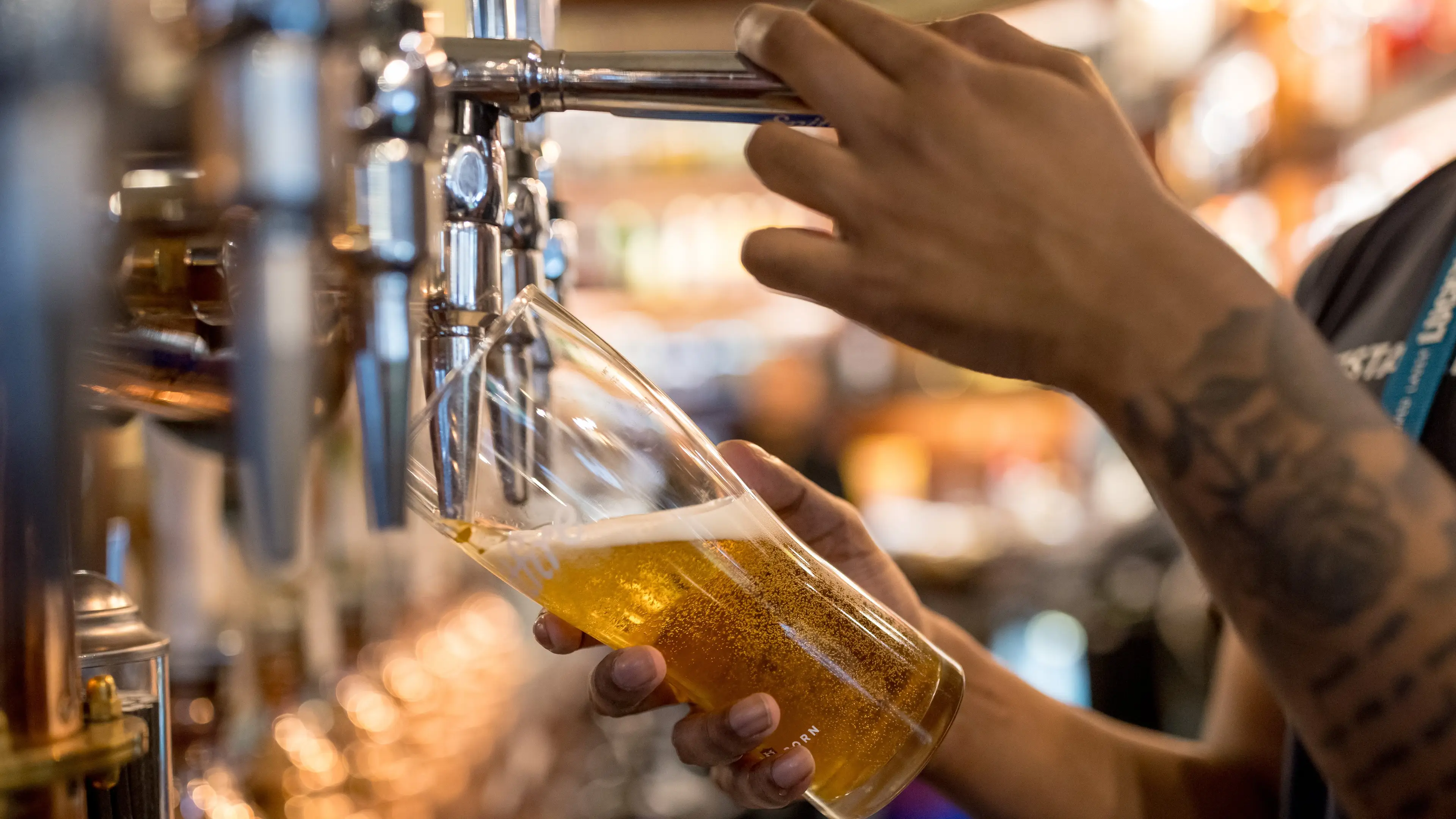
UK alcohol levies have now officially risen in line with the Labour government’s Retail Prices Index (RPI) inflation. Here’s everything you need to know, including how gin, whisky, and beer is impacted.
The average UK adult consumes 10.7 litres of pure alcohol every year, according to Alcohol Change UK.
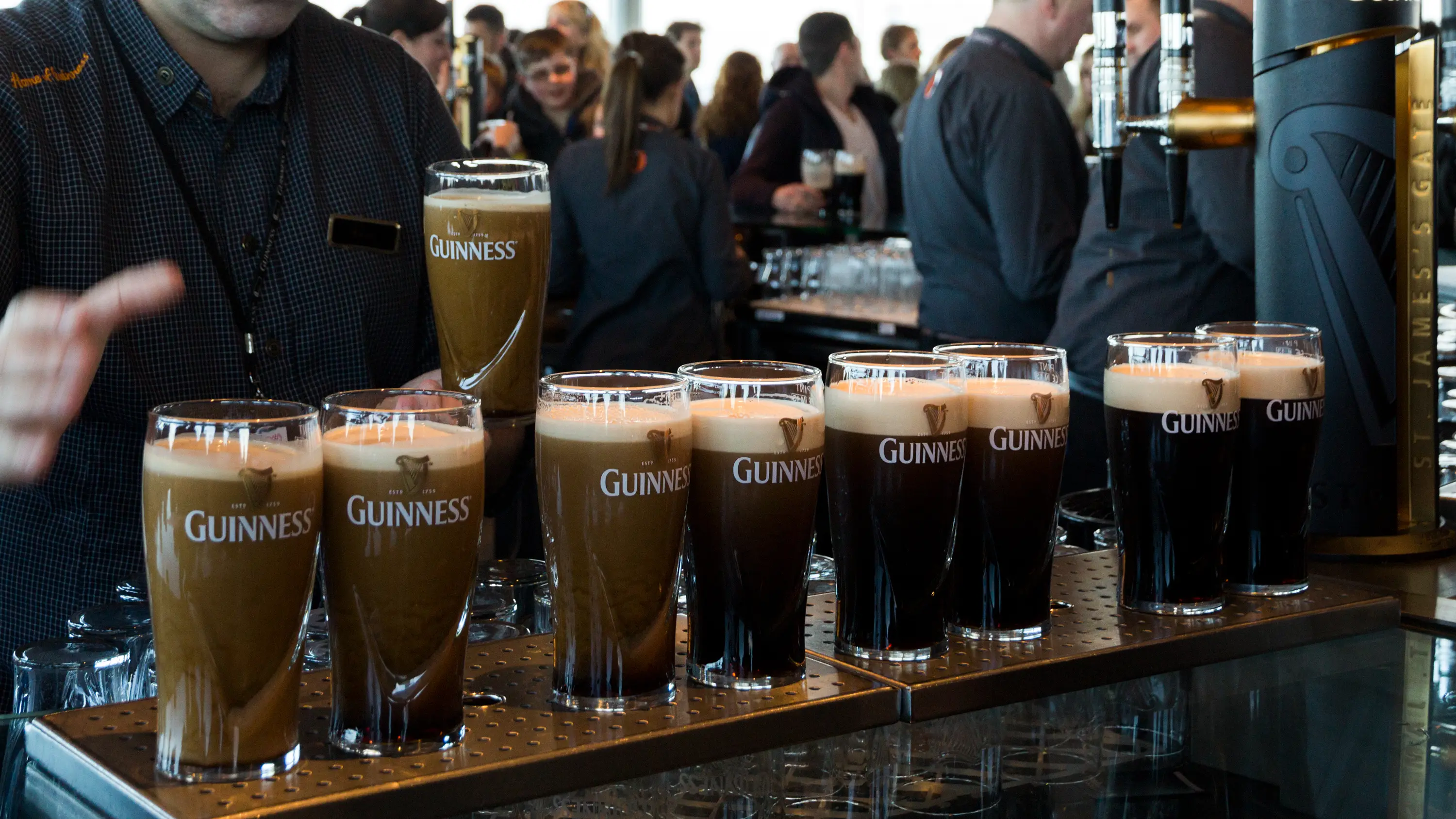
Britain’s favourite tipples include: spirits and liqueurs such as Bailey’s and Smirnoff vodka; stouts like Guinness; and prestigious wine brands, including Moet & Chandon, as per YouGov’s recent ‘most popular alcohol brands’ poll.
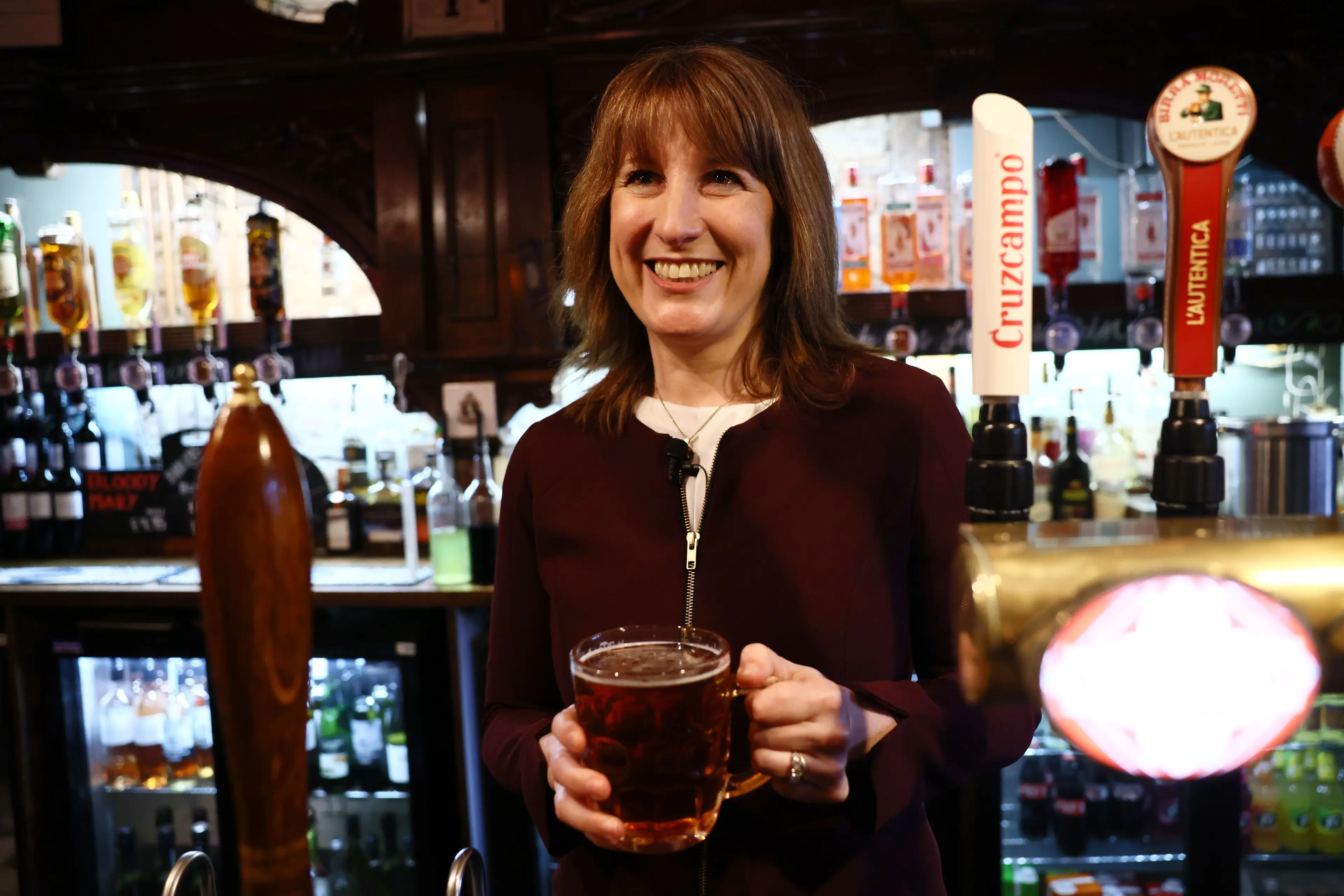
But the price of a pint of golden ale and Scotch whisky bottles are set to skyrocket after Chancellor Rachel Reeves’ alcohol duty rise finally came into effect on Sunday (1 February).
Advert
The 3.66 percent tax increase was first confirmed in November’s autumn budget.
Data suggests that 37.5 ABV bottles of gin will see a 38p duty increase (now £8.98 after VAT) while 14.5 percent ABV red wine bottles will be 14p more expensive.
Similarly, a 40 percent ABV bottle of Scotch whisky will see its duty grow by 39p, reaching £9.51, inclusive of VAT.
A spokesperson for the British Beer and Pub Association stated that the cost of a pint at the pub could rise by 2p, with brewers facing a £130m increase in costs industry-wide, as per Sky News.
The average cost of a pint of beer is currently £5.17 in Britain, according to The Drinks Business.
Emma McClarkin, chief executive of the British Beer and Pub Association, claimed the uptick in alcohol levies will ‘increase the likelihood of further price rises, which no brewer or publican would want to inflict on their customers’.
“For brewers, who already pay some of the highest rates of beer duty in Europe, this increase will add further strain to their already razor-thin profit margins and risk one of the UK’s world-renowned industries producing the greatest beers in the world,” she added.
McClarkin’s comments about the alcohol duty rise have been echoed by Miles Beale, chief executive of the Wine and Spirit Trade Association (WSTA).
In a statement criticising the newly-increased taxes, he said that businesses will have ‘no choice but to increase prices in order to keep afloat, which unfortunately means consumers are going to take the hit once again’.
In Britain, the average price of a 175ml glass of wine in January 2025 was £5.17, as per Decanter.
With the new 3.66 percent increase, it’s expected that this price will soar, as will the cost of various spirits bought in pubs across the country.
Allen Simpson, chief executive of UKHospitality, has touted his own concerns.
"Hospitality businesses are facing price pressures at every turn and our sector’s cost burden is growing at an unsustainable rate,” he admitted.
“Increases to alcohol duty, while not paid directly by operators, is another pressure, if it is passed on to businesses through higher drinks prices. We strongly urge suppliers to show restraint in doing so, recognising the economic pressure the sector is under."
Defending the levy increase and the budget on a whole, a treasury spokesman told The Independent: "For too long the economy hasn’t worked for working people, and cost-of-living pressures still bear down. That’s why we are determined to help bring costs down for everyone.
“It’s why we’re taking £150 off energy bills, increasing the National Living Wage, ending the two-child limit, rolling out free breakfast clubs for all primary school children, and freezing fuel duty, rail fares and prescription fees.”
They continued: “We need to rebuild the public services we all rely on. We’ve put record funding into our schools and NHS to give every child the best start in life and bring down waiting lists.
“Alcohol duty plays an important role in ensuring public finances remain fair and strong and funds the public services people rely on every day."
 Ella Scott