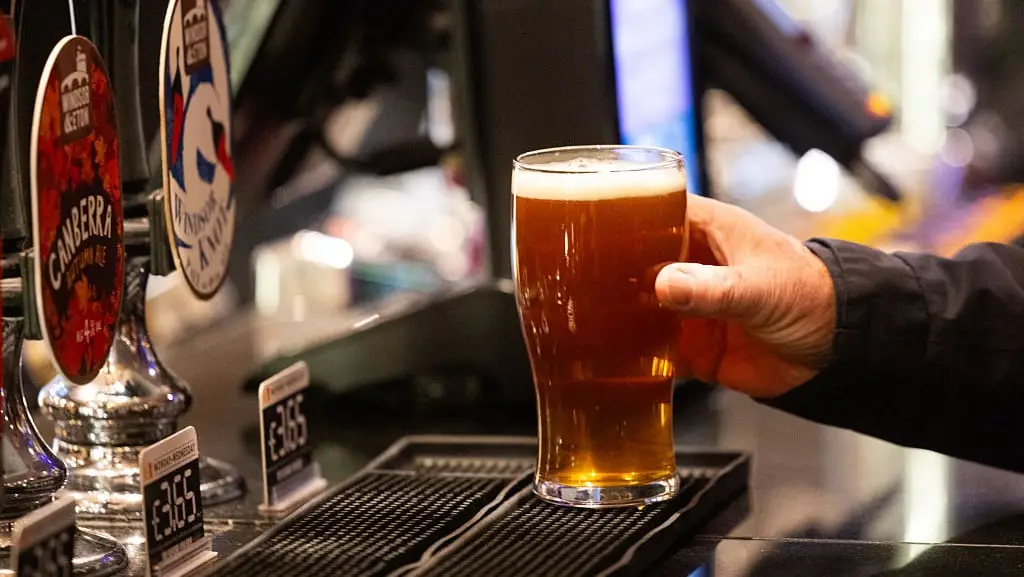
Breakdown of how much pubs actually make on each pint sparks huge debate

A detailed breakdown showing how much money pub landlords actually make on each pint has set social media alight, sparking a fierce debate about supermarket alcohol prices, government taxes, and whether the traditional local is still viable in 2026.
The discussion comes at a time when the UK’s hospitality sector is under intense pressure. Pub closures continue to make headlines, while drinkers increasingly question why a pint can cost £6 in their local when supermarket shelves offer slabs of beer for a fraction of the price.
For many, the answer is simply that pubs are charging too much. For others, however, the issue runs far deeper than the price printed on the pump.
In response to the breakdown — with a pub landlord sharing how much he actually makes on a pint — one Facebook user summed up the consumer mindset bluntly, writing in response to FOODbible's previous coverage: “18 cans for £10 in tescos. No brainer.”
Advert
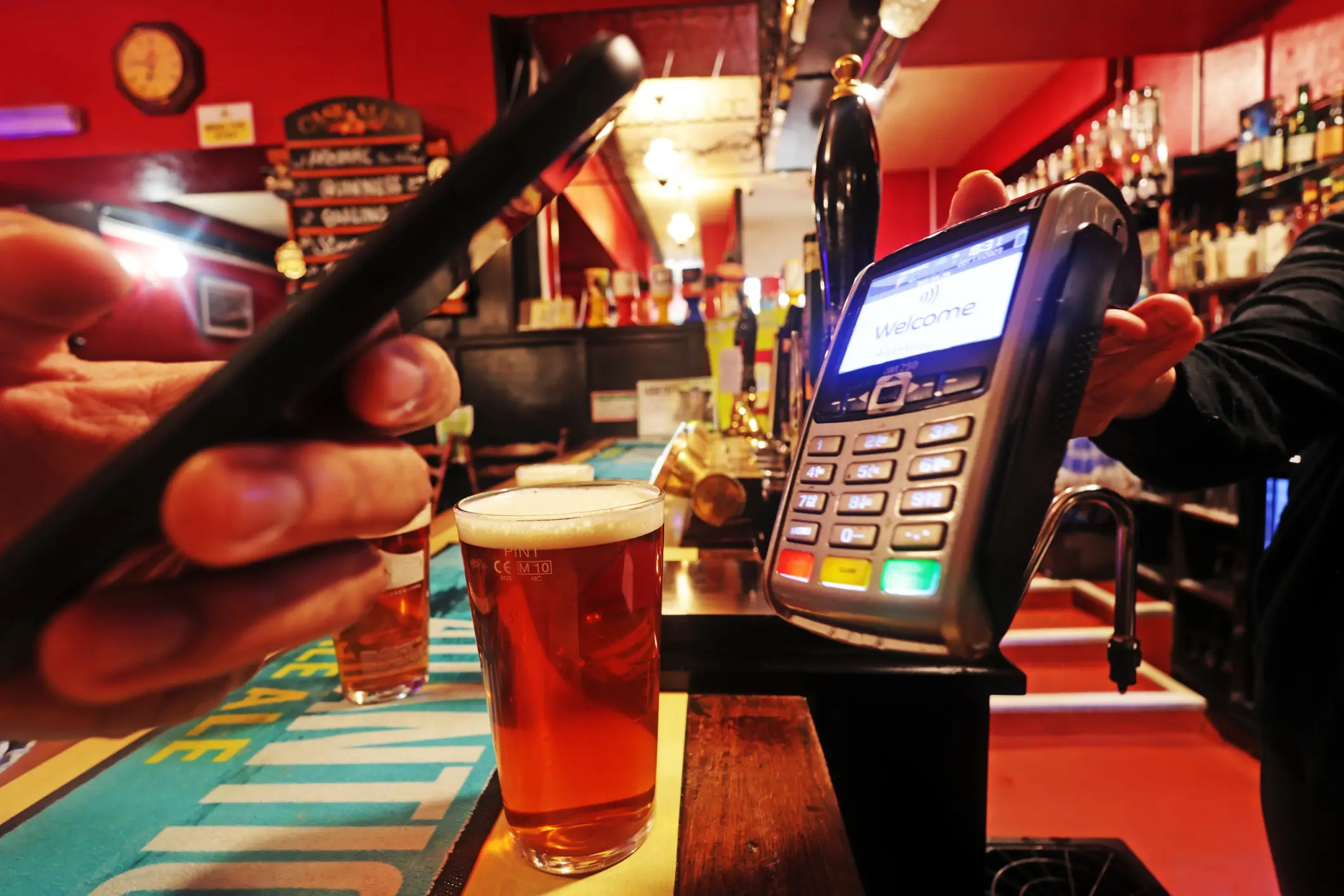
Another replied just as directly: “That's why all pubs are shutting.” Similar comments came in, with drinkers pointing to deals in Tesco, Lidl, and Amazon as proof that drinking at home is now the only affordable option.
Others argued that comparing pub prices to supermarket alcohol misses the point entirely. One commenter wrote: “People forget you don't just pay for the pint, you pay for the service!”, highlighting staffing, heating, and the social value pubs provide.
Still, the cost-of-living reality remains hard to ignore for many households.
The intensity from this debate has particularly honed in on the aforementioned landlord’s itemised breakdown of where the money from those high-priced pints go. Speaking in a video shared on LinkedIn, Stephen Montgomery explained that after paying £6 for a pint, one sixth of it goes ‘straight to the VAT man’. He added that 30 percent of the remaining cost goes on the beer itself, while 60 pence is taken by beer duty.
According to Montgomery, staff wages account for around 25 percent, with National Insurance and PAYE taking a further 30 pence. Running costs, including insurance and cleaning, use up roughly 20 percent. He added: “15 percent of the cost of your pint may go to the bank your mortgage or to your landlord as rent... Three percent goes in utilities, gas, electric, [and] water.”
After business rates and other levies are accounted for, Montgomery claimed that only around 25p of a £6 pint goes back into the pub. Once corporation tax and dividend tax are paid, he said he may personally take home just 13p per pint.
Those figures proved controversial, with some commenters being openly sceptical. For example, one claimed: “Business also claims back on VAT!!” while another wrote: “I heard that from a barrel of lager, 100% profit can be made, give or take.”
'I heard' is often a good phrase to back up an argument, isn't it?
Others pointed to large chains as evidence that pubs can survive on lower prices. A user asked: “If Wetherspoons can do cheap pints, then why don't other pubs do the same?”
In response, another argued that Wetherspoons’ buying power makes it an exception rather than a rule.
There was also a strong feeling around taxation. One commenter said: “Council tax, energy, Supermarkets, alc Tax and breweries are killing pubs,” while another added: “The government are taxjng everyone too high and the tax money is being spent on what? Nothing in the country works properly anymore.”
Despite the arguments, some commenters took a more resigned view. One wrote: “People aren't bothered what he's making. They're concerned about the cost to them, and rightfully so.”
Topics: Social Media, Drinks, Restaurants and bars
 Ben Williams