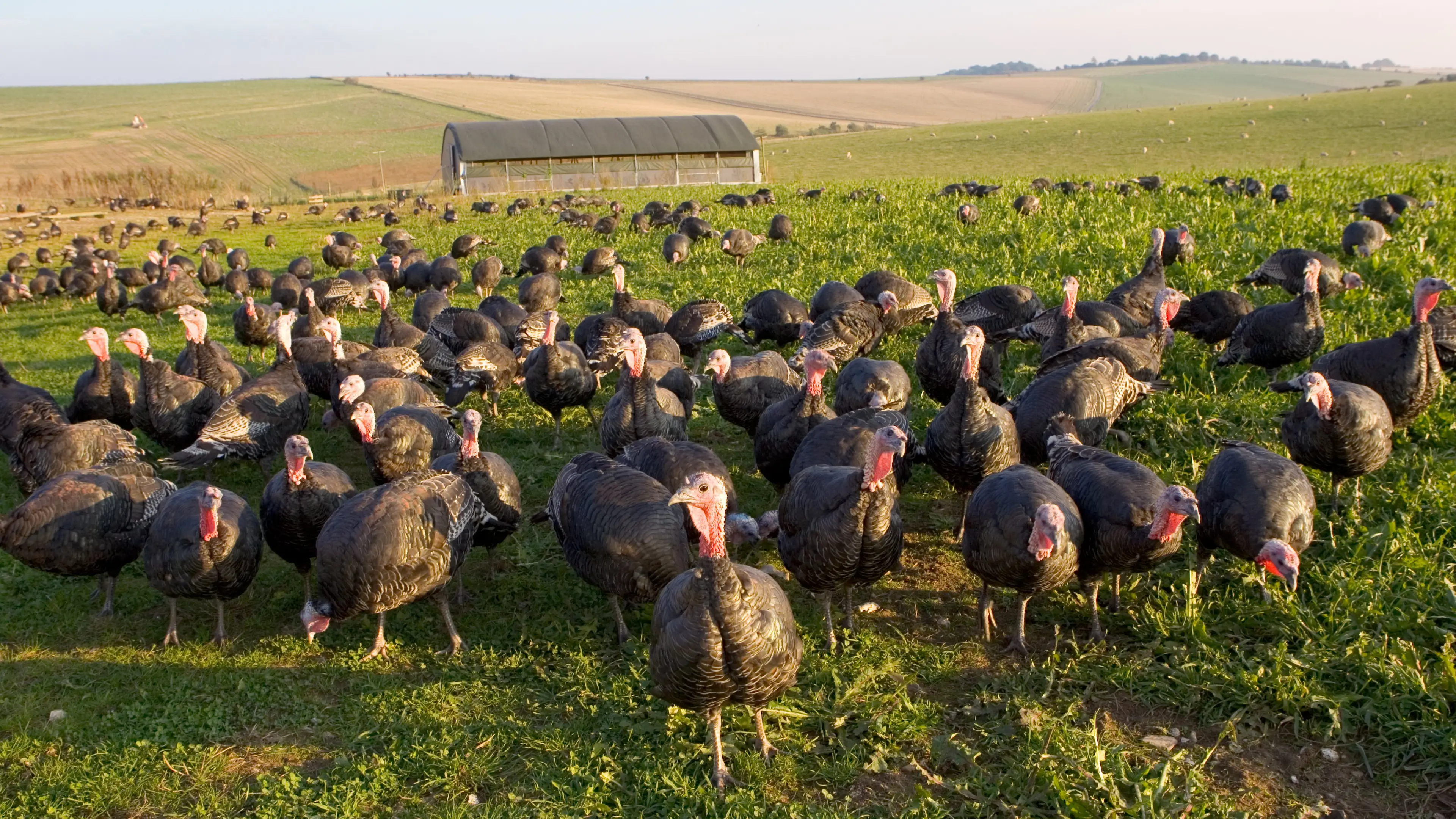
There's one crucial reason why we don't eat turkey eggs

Anyone who classifies themselves as an egg fiend has probably tried them all at this point: chicken, quail, duck, and goose.
However, it’s very unlikely that protein lovers have tucked into a scrambled, fried, or boiled turkey egg - and for one very good reason.
According to the United States Department of Agriculture (USDA), there were 21.9 million turkey poults hatched during January 2026 in the US.
That pales in comparison to the 53.5 million egg-type chicks hatched in the same month, as per USA statistics.
Advert
What’s more, it can take up to seven months for turkeys to be able to start producing eggs, as per Kimmon Williams of the National Turkey Federation.
And even then, it’s likely that they will only lay one or two per week.

In contrast, chickens, which can produce between six and seven eggs per week, may start laying as soon as they hit the five-month mark.
This slower production rate, combined with the fact that turkeys require more rearing space and feed, can significantly increase the cost of farming them for eggs.
The Daily Mail reported that farmers would probably need to charge around $3 per turkey egg to recoup costs and make a profit.
If you were to buy a dozen at that price, then you’re looking at forking out a jaw-dropping $36.
According to the US Bureau of Labor Statistics (BLS), the average cost of a dozen eggs in the U.S. is $3.59.
Due to the whopping $32.41 price difference, it’s understandable why Americans don’t reach for turkey eggs more - they’re too expensive.
The rise of industrial-scale egg production may be another reason why we never see turkey eggs on supermarket shelves.
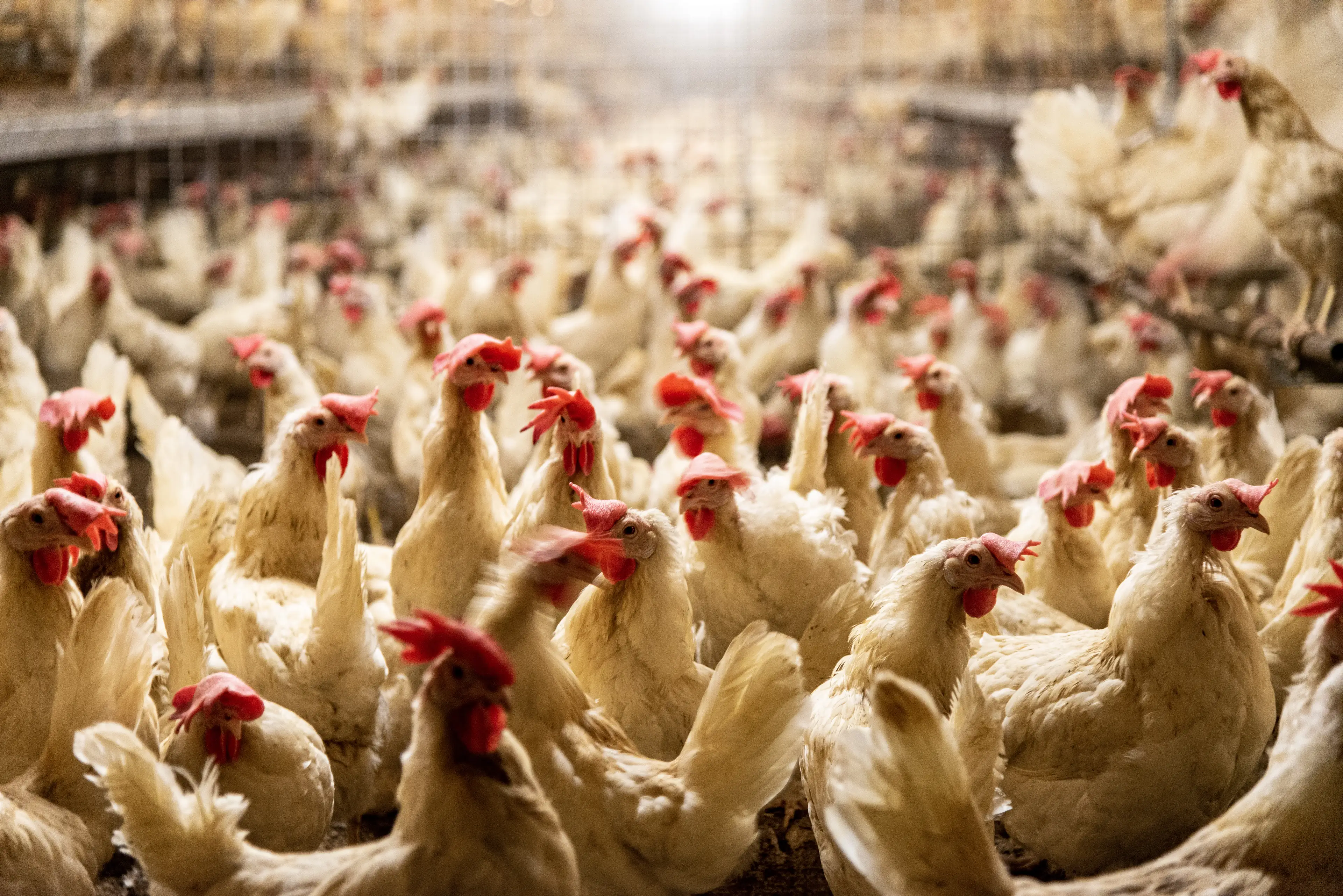
In the early 20th century, intensive poultry farms began cropping up and began with the development of the broiler - a chicken raised specifically for its meat, as per the National Chicken Council.
Due to ongoing efforts, as well as its affordability and versatility, chicken consumption officially surpassed beef consumption in the United States in 1992. It still remains the most-consumed meat.
Prior to the advent of larger-scale egg farms, people did actually eat turkey eggs more regularly.
Delmonico’s, the famous New York restaurant, once served them scrambled, poached, in omelettes or baked into frittatas, the Daily Mail wrote.
From a nutritional standpoint, turkey eggs are considered much richer than chicken eggs. However, they contain almost double the calories and fat and almost triple the cholesterol.
Slate also said that some cooking professionals prefer turkey eggs over those laid by chickens, citing creamier and richer yolks.
If you do fancy getting your hands on a batch of turkey eggs, then you should check out speciality farms and suppliers, rather than the shelves of your local bodega.
 Ella Scott