
Manufacturers banned from labelling oat milk as 'milk'

The UK Supreme Court has ruled that Oatly, a plant-based drink manufacturer, can no longer use the word ‘milk’ to advertise its products in Britain.
On Wednesday (11 February), lawmakers unanimously ruled that the ‘Post-Milk Generation’ slogan favoured by the Swedish company could not be trademarked or used in any further promotional efforts.
The ruling ends a long-running legal battle with the trade association Dairy UK.
Laurie Bray, a senior associate and trademark attorney at the European intellectual property company Withers & Rogers, said that the outcome was probably ‘not what Oatly was hoping for’.
Advert
“It has taken the highest court in the land to decide once and for all whether a plant-based milk alternative can be branded as ‘milk’ and marketed as such,” he added, as per The Guardian.
The plant-based brand first filed a trademark application for ‘Post-Milk Generation’ with the UK’s Intellectual Property Office (IPO) in 2019.
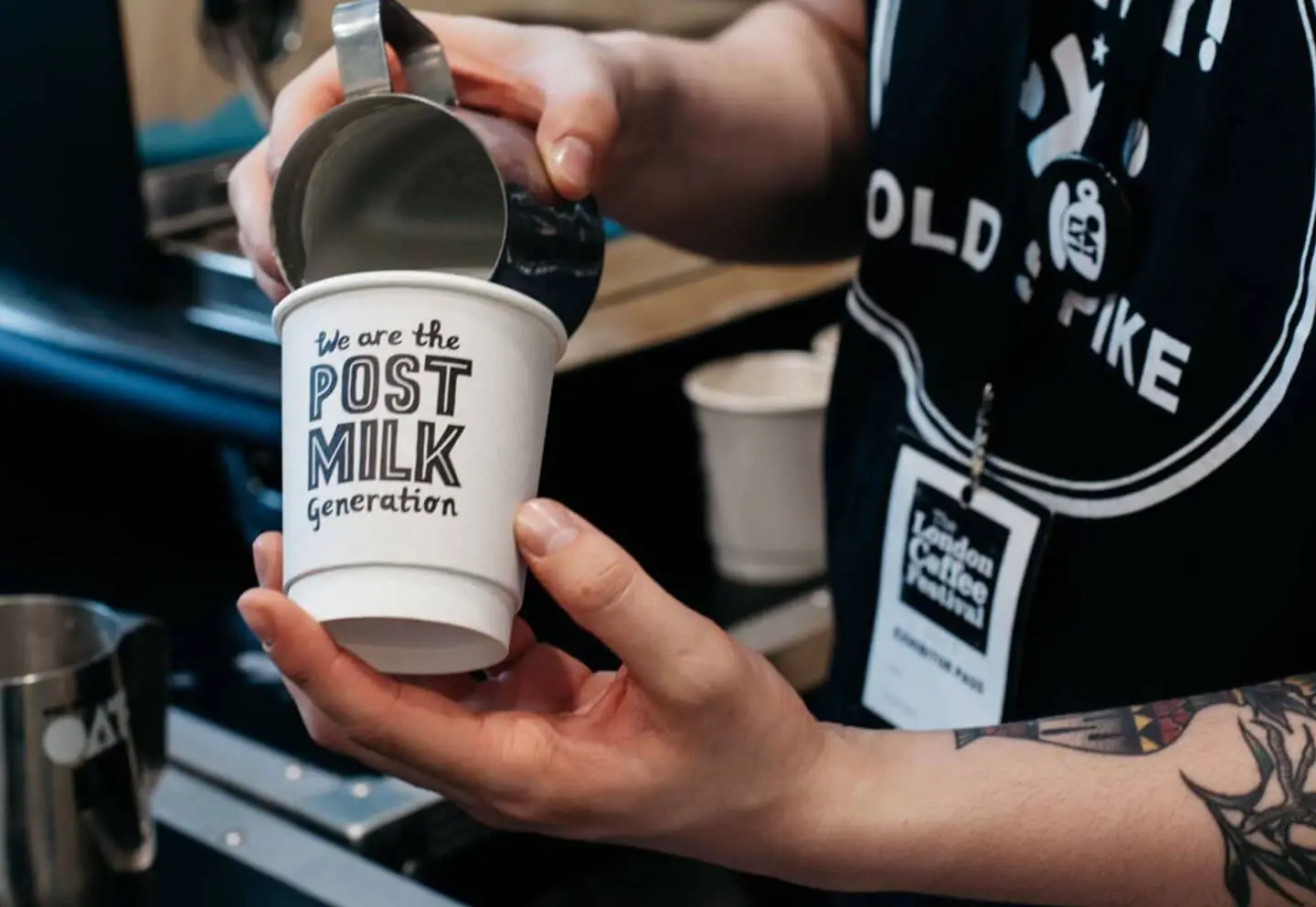
Two years later, it was registered officially, with the business arguing that the term ‘milk’ didn’t breach food labelling regulations as it wasn’t being used descriptively.
Dairy UK objected, claiming the firm had breached rules, and in 2023, the IPO ruled that the use of the word ‘milk’ in the filed trademark was being used ‘deceptively’.
Despite Oatly successfully appealing the ruling in December of the same year, the decision was later overturned, leading to the UK Supreme Court’s eventual interference.
Dr Judith Bryans, CEO of Dairy UK, said: “We are delighted that the Supreme Court upheld the earlier decision of the Court of Appeal, confirming that Oatly’s trade mark ‘Post-Milk Generation’ contravened the rules protecting reserved dairy terms.
“This ruling is an important decision for the sector, as it finally provides clarity on how dairy terms can – and cannot – be used in branding and marketing.”
However, Bryan Carroll, the general manager for Oatly UK & Ireland, alleged the Supreme Court’s decision creates ‘unnecessary confusion and an uneven playing field for plant-based products that solely benefits Big Dairy’.
“In our view, prohibiting the trademarking of the slogan ‘Post Milk Generation’ for use on our products in the UK is a way to stifle competition and is not in the interests of the British public.”
He added that the company will ‘always stand up for what is right’ and that staff will ‘find a way to get’ its ‘Post-Milk Generation’ merchandise into the hands of its ‘brilliant community’.
Richard May, partner at law firm Osborne Clarke, has stated that Oatly will not be the only company affected by the new ruling.
He said in broad terms, the judgement against Oatly signals that both UK food regulators and courts are ‘likely to take a robust approach to so-called ‘category borrowing’ across regulated sectors’.
“Businesses building brands around legally defined product names, whether in dairy or elsewhere, should expect careful scrutiny and plan their brand strategy accordingly,” he continued.
May also warned that companies should limit their use of terms like ‘dairy-free’.
'Actual’ information should be favoured, rather than branding and marketing.
Instead, products which are not derived from animal milk should use descriptive alternatives such as ‘oat drink’ or ‘plant-based drink’ to label their products.
FOODbible has contacted Oatly for comment.
 Ella Scott