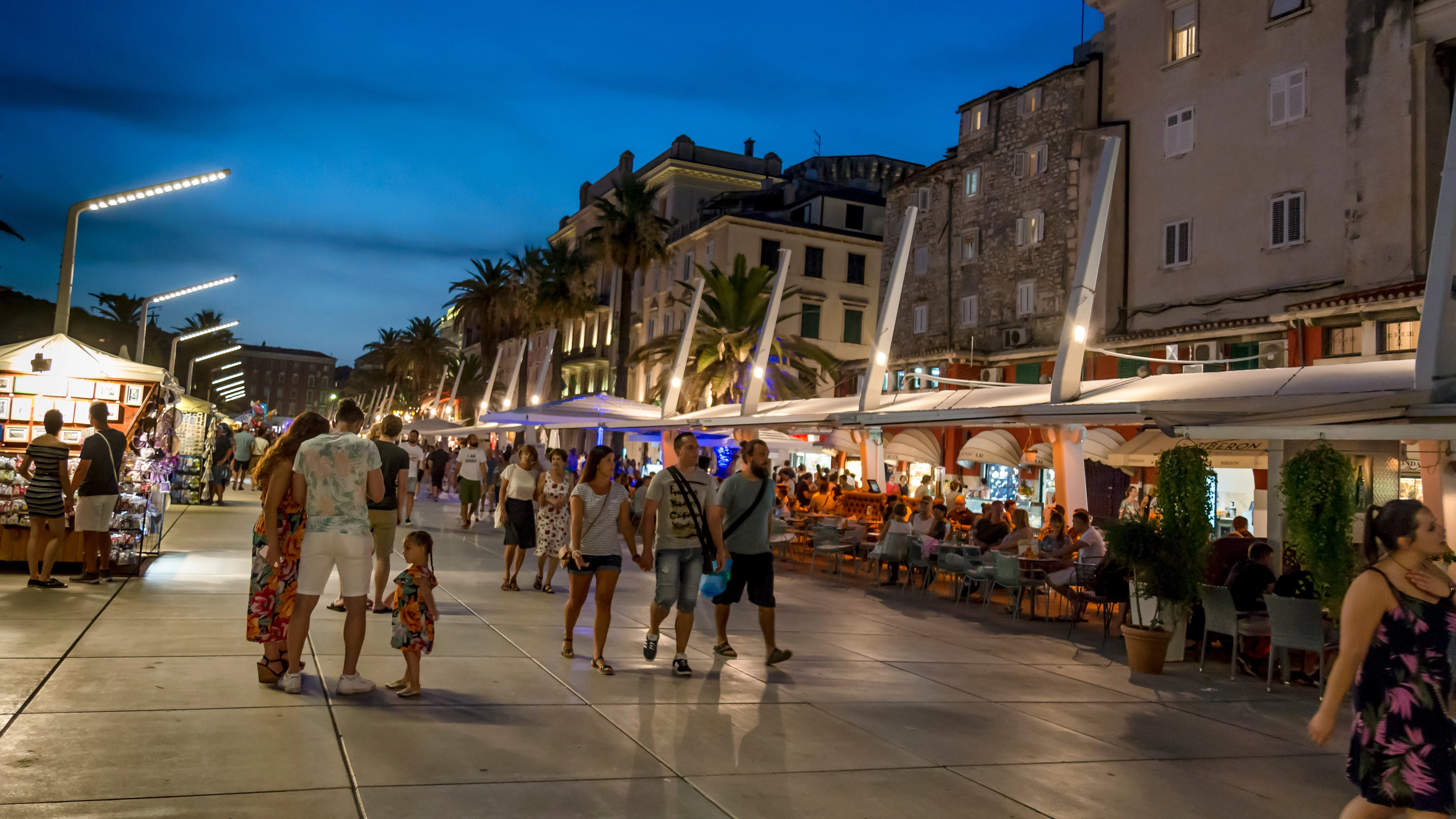
Popular tourist hotspot introduces drastic new booze ban

A tourist honeypot has introduced a stringent new booze ban that will impact locals, festival-goers and holidaymakers alike.
Regardless of surveys suggesting that young Millennials and Gen Z are reducing how much they are drinking, the global alcohol market is still booming, with a value of £3.29 billion expected to be reached by 2035.
However, major brands like Heineken have recently been cutting staff due to declining beer sales, pub landlords have been revealing the measly amount they are actually making on a pint of ale in the UK, and officials are ‘worried’ about rural pubs as new drink-driving bans are set to be introduced.
The World Health Organisation (WHO) may suggest that there are ‘no safe’ alcohol consumption limits, but holidaymakers - especially British travellers - are known to overindulge.
Advert
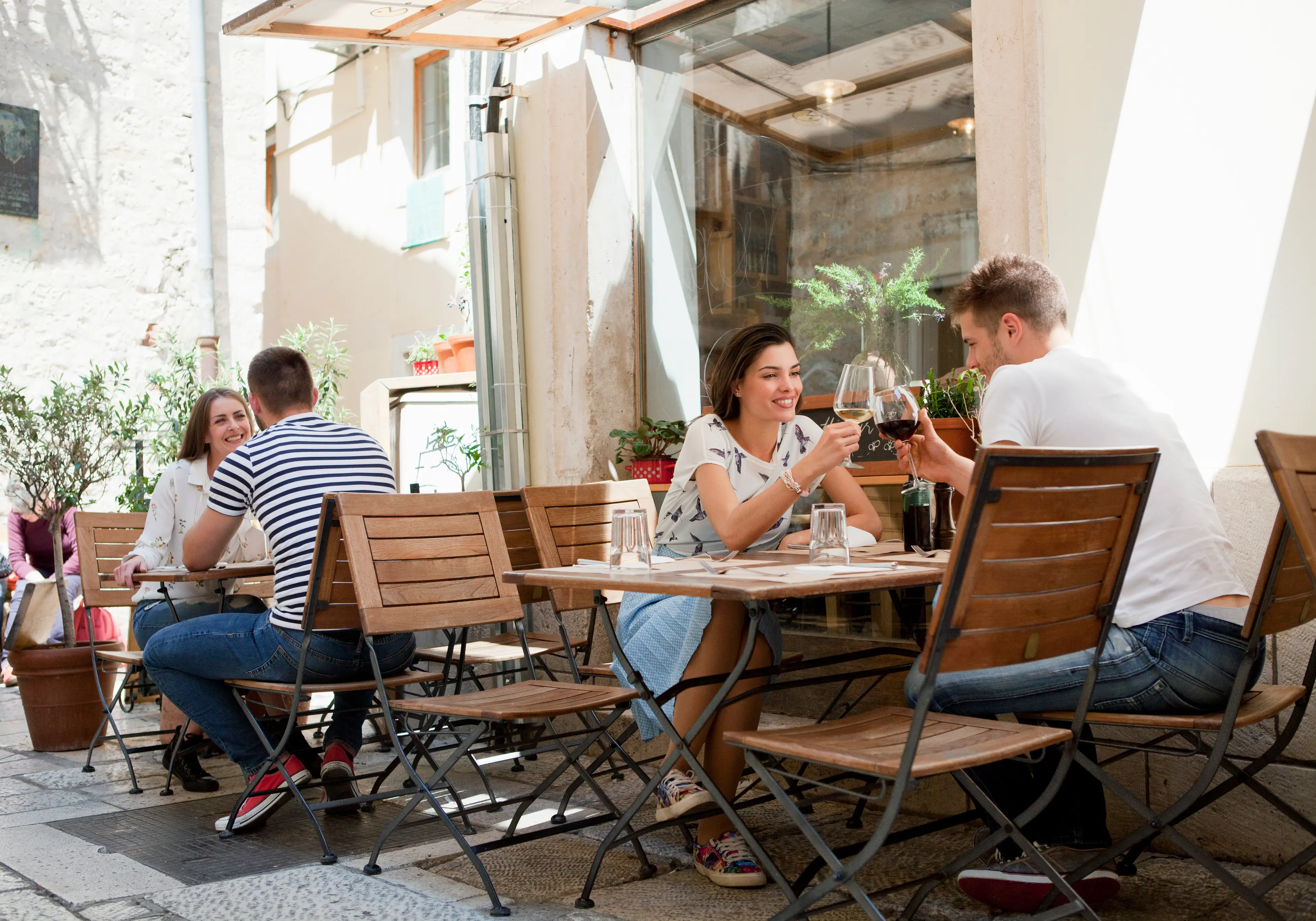
According to Zoe Adjey, a senior lecturer in hospitality and tourism at the University of East London, this is because it is an ‘awful lot cheaper’ to get drunk abroad than in the UK, as per Metro.
One city in Croatia is seemingly sick of tourists taking advantage of drink prices and has introduced a strict new alcohol limit as a result.
Split, which is home to Ultra Europe, the Split Summer Festival, and the Mediterranean Film Festival, is no longer selling liquor in supermarkets after 8pm.
Tomislav Šuta, mayor of the city, said: "It is precisely here that situations arise that impair the safety and quality of life of tenants.”
Alcohol sales in supermarkets and liquor stores will be limited from 7am to 7pm.
Between 8pm and 6am, drinks will not be available to purchase anywhere other than licensed venues, such as bars and restaurants.
Darijo Šarić, CEO of luxury villa rental agency VIP Holiday Booker, has welcomed the ban.
"In previous years, Split may have leaned into a 'party destination' image, sometimes encouraging partying among visitors,” he explained.
“However, Croatian tourism is now actively rebranding to move away from that reputation, focusing instead on our rich cultural heritage, natural beauty, and family-friendly environment.
"You can still enjoy a drink after 8pm but the goal is simply to move drunken behaviour and alcohol consumption away from public streets and into appropriate venues. These measures are designed to encourage responsible drinking rather than to stop the fun.
He added that while Split visitors are still encouraged to have an ‘unforgettable experience’, it shouldn't come at the expense of year-round citizens.
“We also don’t want residents to feel like the city is a 24-hour party zone. By drinking responsibly and respecting local customs, you help us keep Croatia a cherished, safe, and welcoming destination for everyone.”
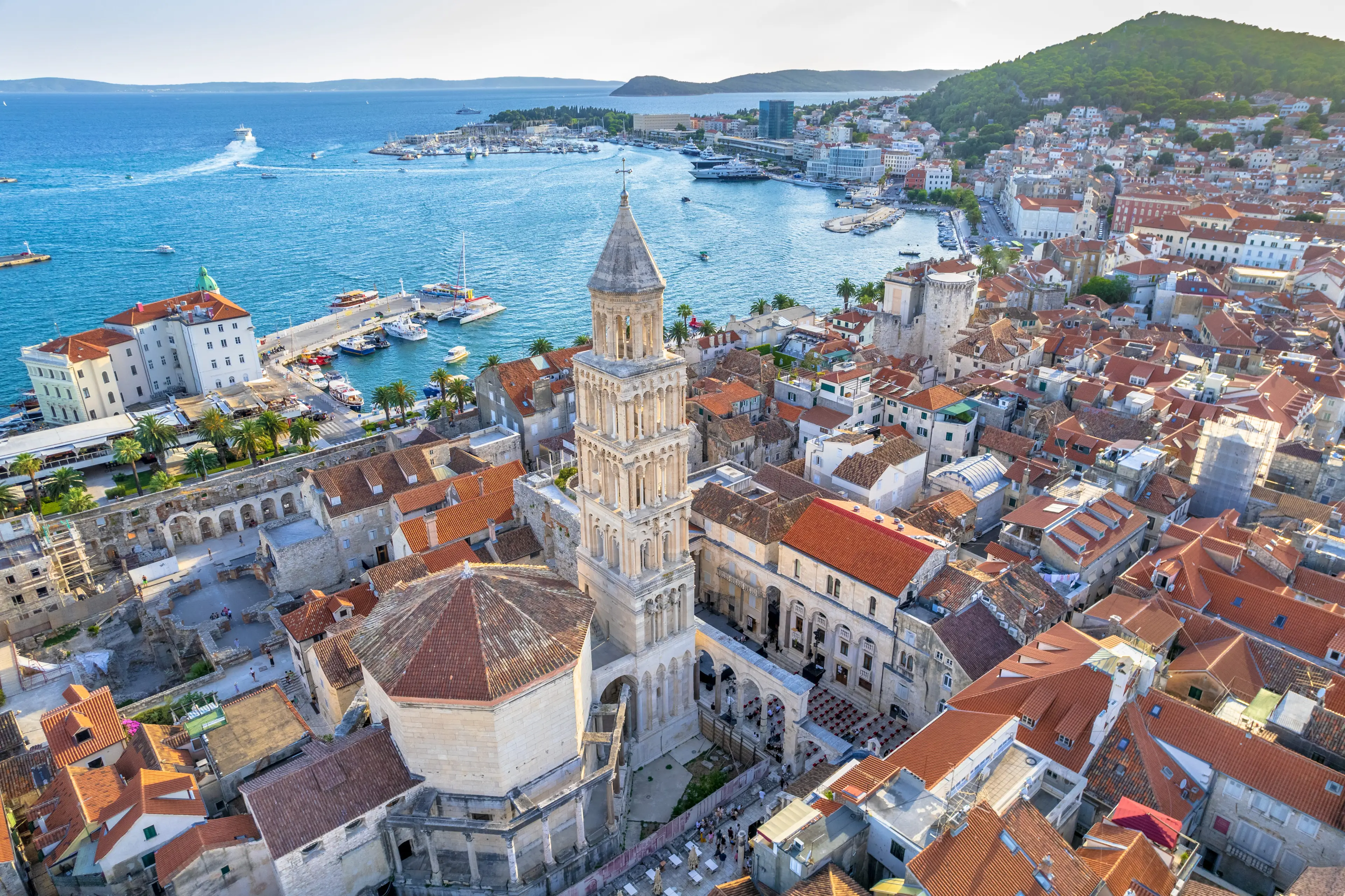
While Split is the first city in Croatia to enact the ban, it is part of the European country’s wider efforts to curb tourism’s negative impact.
Last year, Hvar opted to uphold serious summer noise restrictions, capping noise at 85 decibels despite opposition from local businesses, the Express reported.
Dubrovnik has also capped the number of cruise ships allowed in its port at one time.
Camera systems have been installed to monitor how many visitors are entering and exiting the historic Old Town while preservation efforts are underway.
 Ella Scott