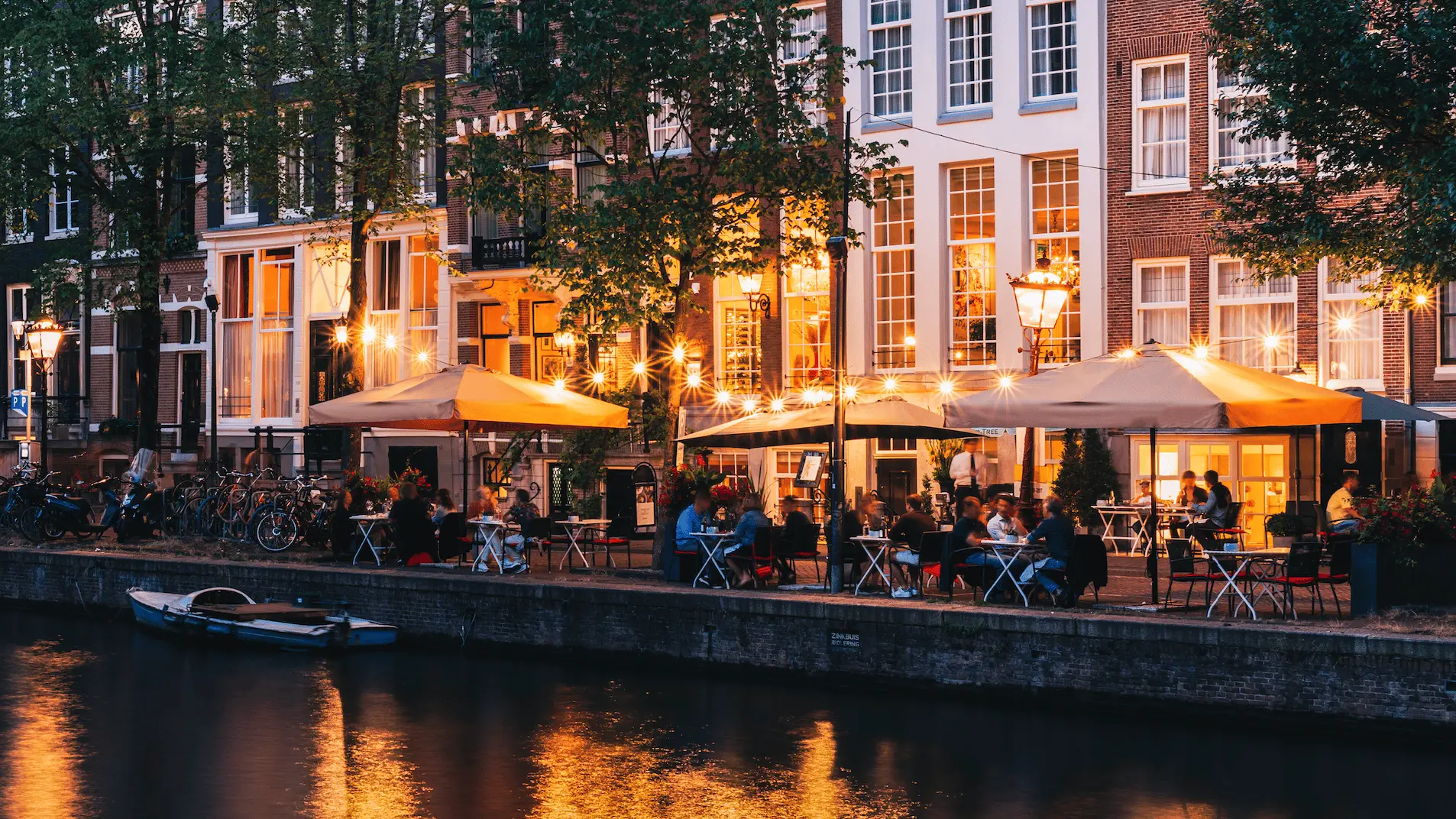
Amsterdam bans meat from being advertised with historic new law

Five years after it initially began curbing the promotion of animal products, the Amsterdam municipality has unanimously voted to ban all meat advertisements in public spaces.
In the Netherlands, individuals ate 74.4kg of meat on average in 2024 - the lowest since records began two decades ago, and a three percent decline from the previous year, according to a Wageningen Social & Economic Research (WSER) survey.
The study suggests that Dutch people are beginning to rely on meat less due to rising consumer awareness regarding health, animal welfare, and the environment.
In an effort to turn the tables further, Amsterdam’s municipal council has approved a total shutdown of meat advertising in public areas.
Advert
The bill, introduced by the Partij voor de Dieren (Party for the Animals) and the GroenLinks (Green/Left) party, will officially come into play on 1 May 2026.
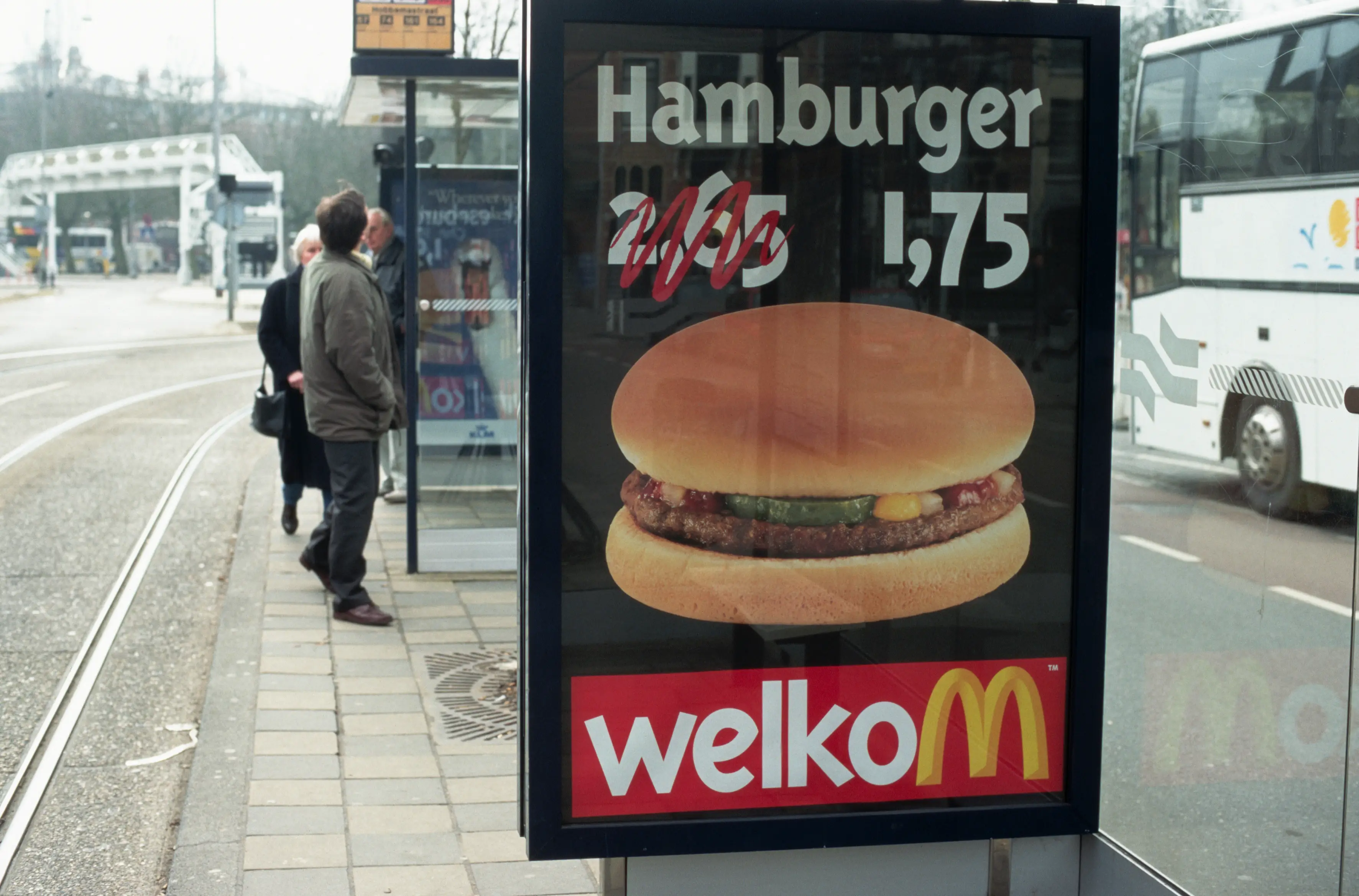
The blanket ban was approved by 27 out of 45 voters. It follows the Dutch capital city’s previous efforts to limit these type of ads.
On the recent ban, Joey Cramer, Director of ProVeg Netherlands, said: “We know that most of the carbon emissions in the food system come from meat production, so it makes sense for Amsterdam to restrict the advertising of meat as part of its strategy to promote food system change.”
He added that the policy continues to support the city’s goal of ensuring its inhabitants’ diets are ‘50 percent plant-based by 2050’.
“Such a shift is not only good for the climate, it’s good for people’s health and, of course, for animals.”
The bold move comes four years after Haarlem, capital of the province of North Holland, first pulled the trigger on axing meat ads.
“Tobacco and alcohol advertisements have been banned for years, so it is possible,” Haarlem GroenLinks councilor, Ziggy Klazes said, as per VegNews.
“You cannot exclude companies from advertising, but you can exclude product groups.”
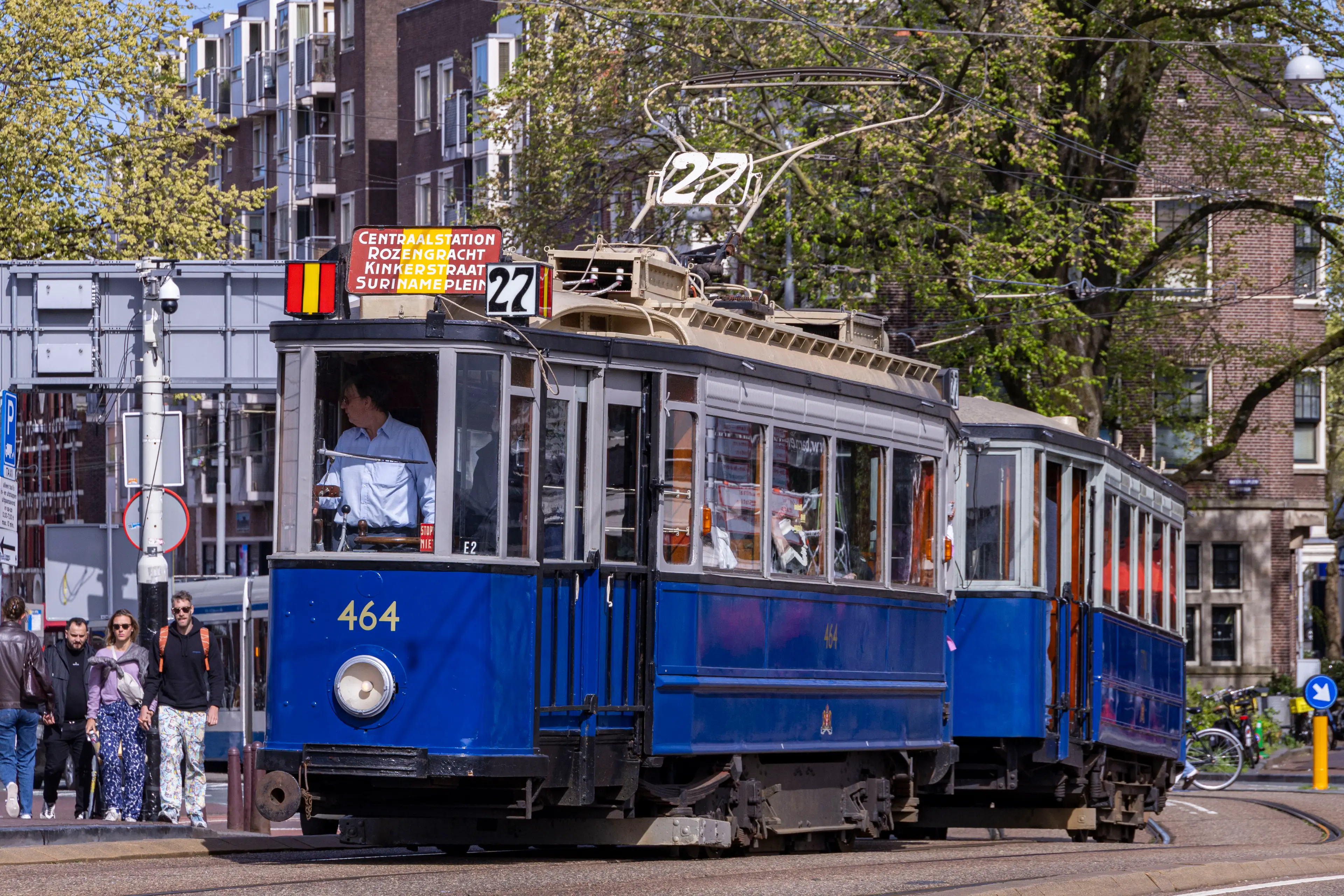
As well as promotions for meat-products being prohibited on billboards, trams, trains, and buses, Amsterdam officials have decided to cancel ads for flights, petrol and diesel vehicles, and gas heating contracts, too.
Corporate advertisements for high-carbon companies can, however, continue up until April 2028.
In retaliation to the ban, JCDecaux, the largest outdoor advertising operator in the world, claimed it would have ‘far-reaching financial and legal consequences’.
As reported by DeSmog, the business warned lawmakers that public amenities across the city may suffer without advertising revenue.
How to curb your meat intake
If you want to follow in the footsteps of The Netherlands and potentially consume less meat, then Natalie Burrows, a registered nutritional therapist and Nutritionist Resource member, issued a major tip.

Speaking to Stylist Magazine, the health expert suggested diversifying your protein sources. This may include picking tofu, tempeh, lentils, beans over red meats like beef and lamb.
“Reducing your meat intake gradually also allows time for your body to adjust while you introduce new plant-based options,” she reasoned.
However, anyone who is looking to start eating less animal-based products needs to supplement them with other complete protein sources.
These include: quinoa, buckwheat, amaranth, chia and hemp seeds, as well as nutritional yeast and dairy projects, such as skyr yoghurt.
 Ella Scott