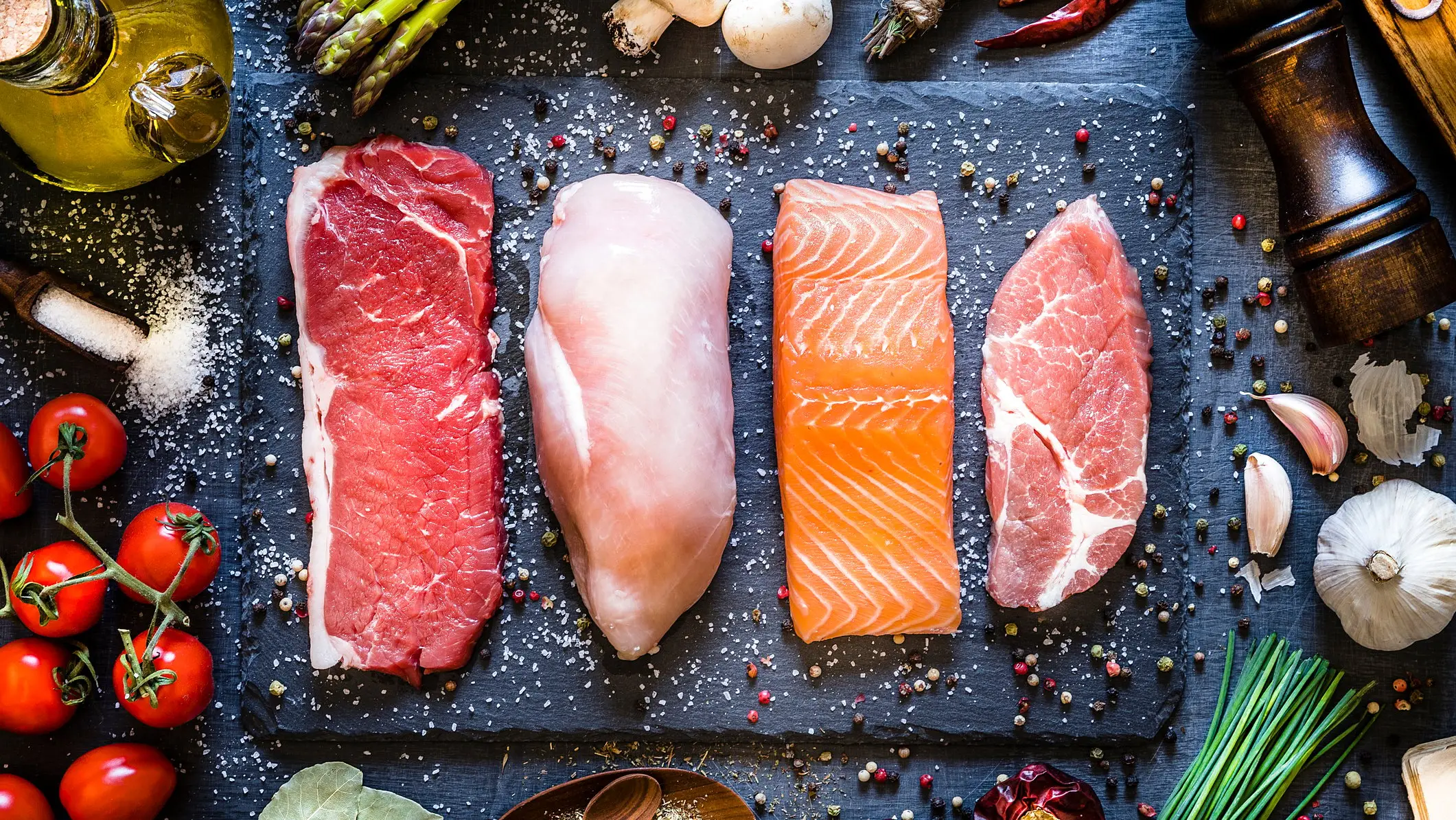
Everything that happens to your body when you stop eating meat

For many people, giving up meat starts as a short-term experiment or a simple month-long challenge.
Working as a reset after the holidays, in the same vein as Dry January, it can be quiet attempt to eat a bit better without telling anyone at the table. It rarely begins with a grand plan to overhaul your entire diet. Instead, it’s more like curiosity as to what would actually happen to your body if you go meat-free — especially if you’ve been a carnivore for most of your life.
At first, the changes can feel more cultural than physical: Shopping habits shift, menus suddenly need more thought, and familiar meals are rebuilt from the sides inward. There may be moments of doubt, moments of craving, and moments when the smell of a roast chicken cooking feels louder than usual. Research suggests this early phase can even heighten desire for meat before anything else settles.

Advert
On the other hand, if you stick with it for more than a few days, the body begins to respond in ways that go far beyond willpower or routine.
Around the time you reach one month, your taste and appetite will essentially recalibrate. Studies following people who cut out meat for short periods have found that avoidance itself can reshape how meat is perceived. As researcher Elisa Becker, a UK postdoctoral researcher at the University of Oxford puts it, as reported by the BBC: “The more meat people managed to cut out during Veganuary, the more their meat disgust grew over that month…When you stop eating meat, that disgust ramps up, which is really interesting.” The effect appears to grow the more consistently meat is removed from the diet, hinting that behavioural changes can quietly lead to belief.
Physically, the earliest measurable shifts often appear in digestion. Within days, gut bacteria start to change, favouring microbes that thrive on fibre rather than animal protein. This can improve gut health and reduce inflammatory markers linked to certain meat-associated bacteria. Weight loss is also common, largely because fibre-rich foods help people feel fuller on fewer calories.
Heart health markers tend to follow. Vegetarian and vegan diets have been linked to lower blood pressure, improved blood sugar control, and drops in LDL cholesterol. In one study, participants saw cholesterol fall into optimal ranges within weeks. These effects aren’t about restriction alone, but replacement. As reported by National Geographic, Matthew Landry, a dietician & health scientist at the University of California explains: “we end up just consuming more foods that are fewer calories.”
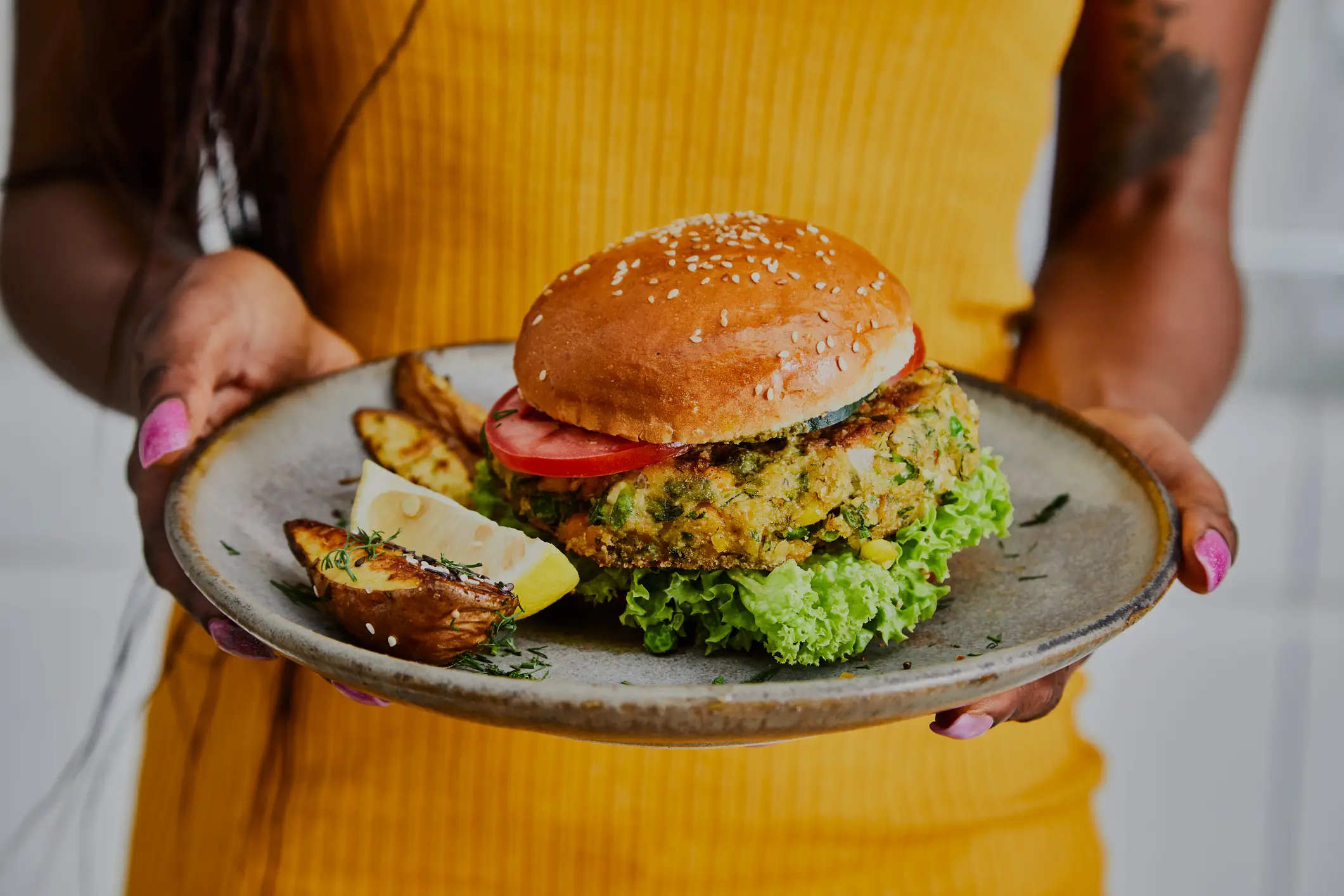
The immune system may respond too. Short-term vegan diets have been associated with reduced inflammatory signalling and increased antiviral activity, although scientists are careful to stress that this research is still emerging.
That said, removing meat isn’t automatically a health upgrade. Swapping steak for ultra-processed alternatives can undo many of the gains. Luigi Fontana, a University of Sydney expert on nutrition & healthy ageing — also reported by National Geographic — is blunt on the point, saying: “You can be a vegetarian and be as unhealthy—or more unhealthy—than someone on a typical Western diet.” Long-term meat-free diets also require attention to nutrients such as vitamin B12, iron, and omega-3s.
Perhaps the most surprising shift, though, isn’t physical at all. Over time, abstinence can change your relationship with food itself. As senior lecturer in psychology at the UK’s Lancaster University, Jared Piazza notes: “Avoiding meat over time can re-calibrate your appetite towards meat.”
 Ben Williams