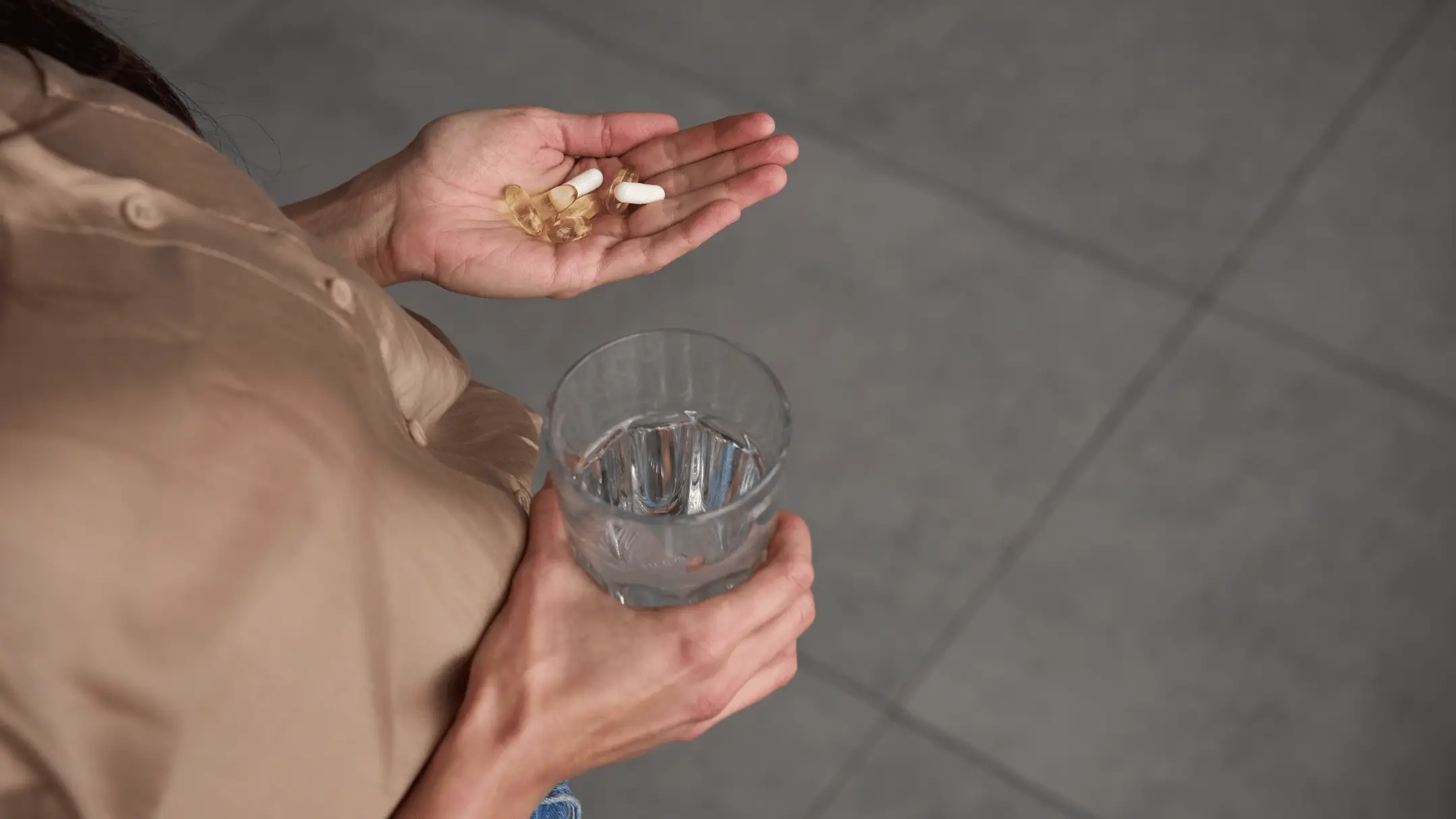
There are two vitamins that may actually be doing you more harm than good

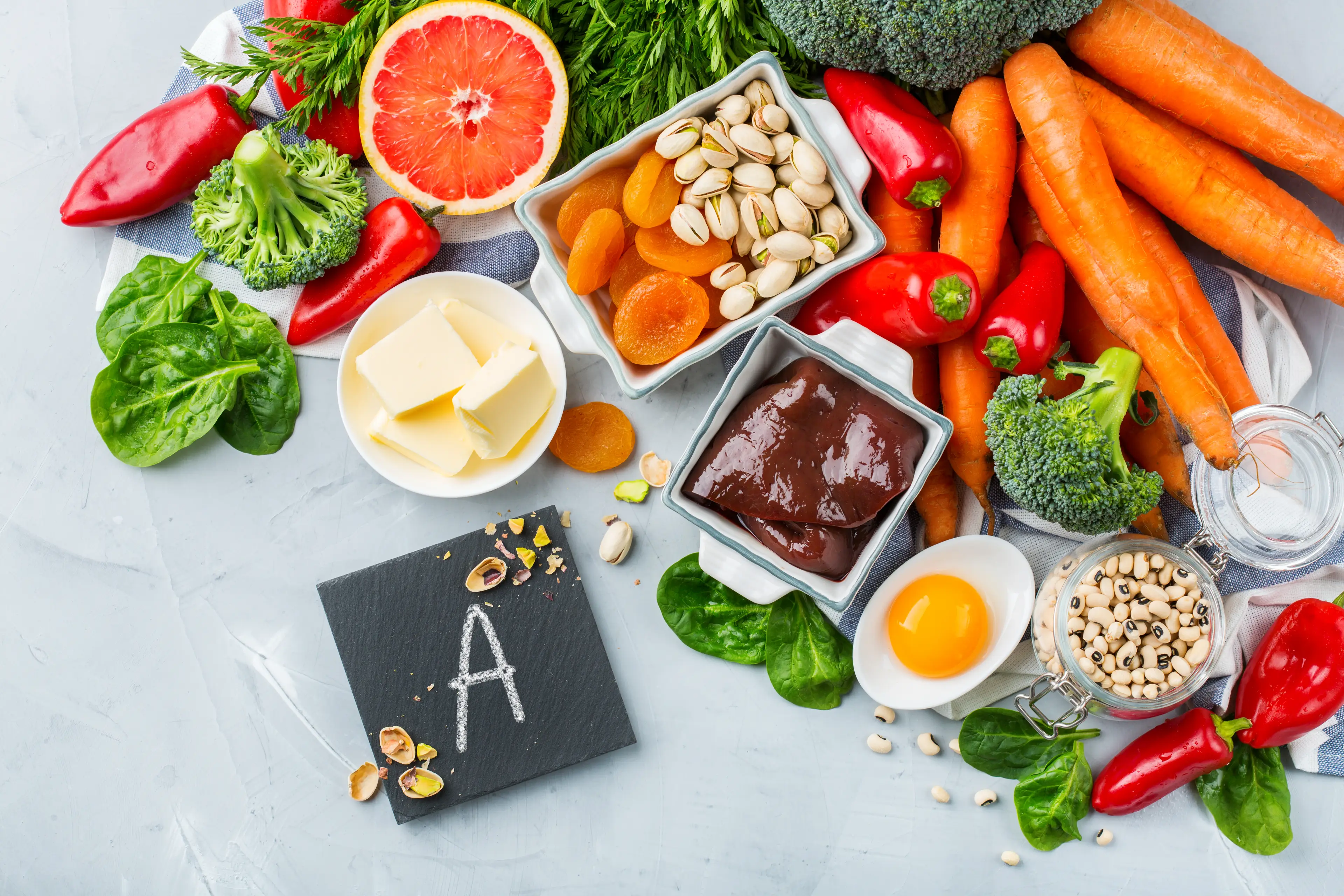
By eating cheese, eggs, oily fish - such as salmon, trout, and mackerel - as well as fruits like apricots and watermelon, and leafy green vegetables, you can consume a good portion of your recommended vitamin A intake.
Other products which contain the essential nutrient include, but are not limited to: dairy products like yoghurt, orange and yellow vegetables, beef liver, black-eyed peas, and fortified low-fat spreads.
Vitamin A is considered essential for cellular communication, growth and development, and male and female reproduction, as per the National Institutes of Health’s Office of Dietary Supplements.
Vitamin E, meanwhile, helps you maintain a healthy immune system, healthy vision and skin, as per a 2024 study published in Healthdirect.
Advert
Other benefits of consuming the fat-soluble vitamin include protecting cells from oxidative stress, promoting metabolic processes, and possibly reducing heart disease risk factors.
Foods that serve as a good source of vitamin E include plant-based oils, various nuts and seeds, and vegetables such as red bell peppers, spinach, and broccoli.
At the time of writing, the NHS advises that men consume 4mg of vitamin E per day, while women need slightly less at 3mg.
Vitamin A intake should be capped at 700 µg a day for men and 600 µg a day for women.
How vitamin A and E could be harming your health
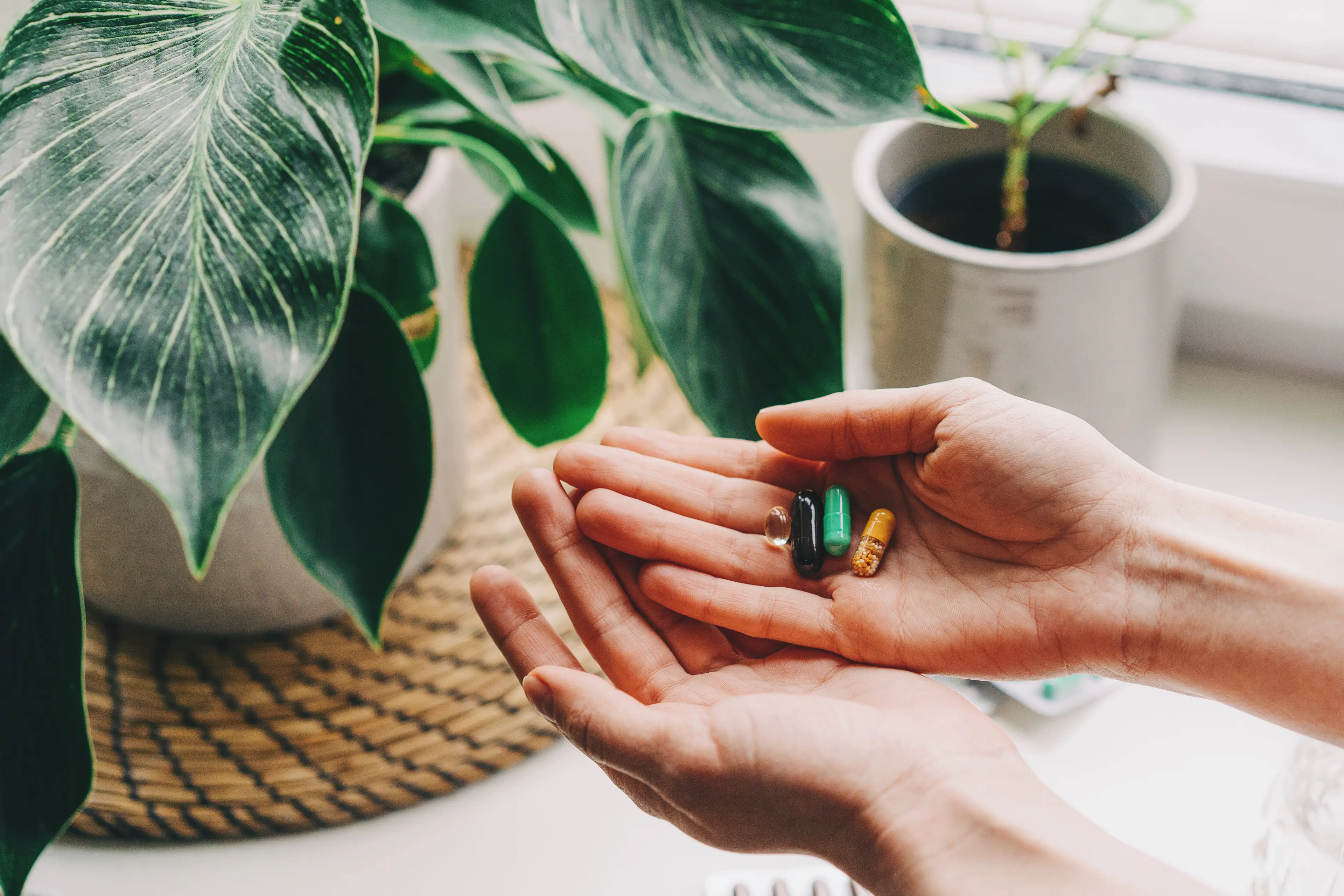
While the majority of us get enough vitamin A and E from food, some of us are likely to reach for pills to supplement our diets.
But did you know this daily habit could be causing you damage?
“Generally, I don’t suggest the use of vitamin supplements unless there is a specific reason to do so," Walter Willett, a professor of epidemiology and nutrition at Harvard's School of Public Health, told National Geographic.
However, if you do choose to take fat-soluble vitamins like A and E, then you need to be aware that they can become stockpiled in the liver and fatty tissues, meaning they can accumulate to potentially toxic levels.
Studies suggest that if this happens, the vitamins can possibly lead to liver injury and lung cancer diagnoses.

Jessika Rose, a bariatric dietitian for the University of Maryland Upper Chesapeake Health, explained to the publication that consuming too much vitamin E can interfere with blood clotting, which may cause haemorrhages.
High doses of the latter may also negatively interact with medications, cancer treatments, and increase the likelihood of prostate cancer.
Supplementing large amounts of vitamin A can cause serious health issues, like joint pain, headache, hair loss, muscle pain, vision loss, and nausea.
Researchers have also made links to vitamin A intake and birth defects, as well as skin irritation and increased risk of bone fractures.
Should you take supplements?
According to experts at Healthdirect, you probably don’t need to take a vitamin A or E supplement unless your doctor has diagnosed you with a deficiency.
That means instead of forking out for some tablets you may not need, you should talk to your healthcare provider or dietitian to help determine the specific nutrients that you need.
"It is a common misconception that vitamin supplements are beneficial for everyone," said Jen Messer, a registered dietitian and president-elect of the New Hampshire Academy of Nutrition and Dietetics.
"They can be beneficial for certain individuals in particular situations, but are not universally necessary, can be expensive, and are not entirely risk-free.”
It’s advised that you ‘remain wary’, always check the label, and understand the health risk when it comes to supplementary health.
 Ella Scott