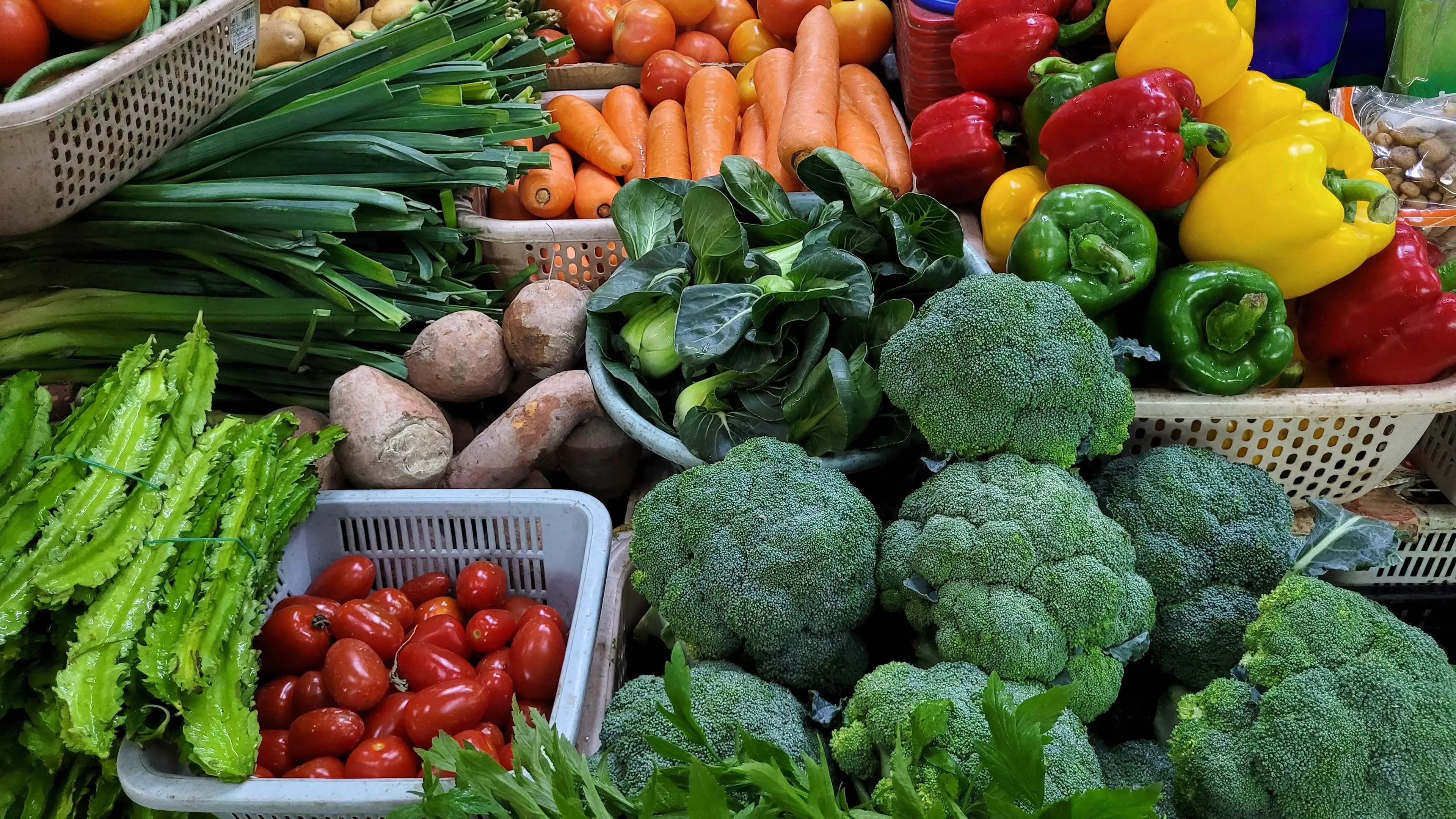
• Navigation icon for News

    News

    • US Food
    • UK Food
    • Drinks
    • Celebrity
    • Restaurants and bars
    • TV and Film
    • Social Media
  • Navigation icon for Cooking

    Cooking

    • Recipes
    • Air fryer
  • Navigation icon for Health

    Health

    • Diet
    • Vegan
  • Navigation icon for Fast Food

    Fast Food

    • McDonalds
    • Starbucks
    • Burger King
    • Subway
    • Dominos
  • Facebook
    Instagram
    YouTube
    TikTok
    X
  • Advertise
  • Terms
  • Privacy & Cookies
  • LADbible Group
  • LADbible
  • UNILAD
  • SPORTbible
  • GAMINGbible
  • Tyla
  • UNILAD Tech
  • License Our Content
  • About Us & Contact
  • Jobs
  • Latest
  • Topics A-Z
  • Authors
Facebook
Instagram
YouTube
TikTok
X
Submit Your Content
Dietitian reveals exact amount of vegetables we should be eating each day

Home> Health> Diet

Published 12:20 5 Aug 2025 GMT+1

Dietitian reveals exact amount of vegetables we should be eating each day

90% of US adults aren’t eating enough of their greens

Rachael Davis

Rachael Davis

google discoverFollow us on Google Discover
Featured Image Credit: tylim/Getty Images

Topics: Health, Diet, News, US Food

Rachael Davis
Rachael Davis

Advert

Advert

Advert

You’ve likely been told to eat your greens since before the first meal you can remember eating, and for good reason.

Vegetables, and fruits too, are packed with essential vitamins, minerals and antioxidants that will help to keep your body in tip-top condition, protect against cancers, and bolster your immune system.

Not only that, but vegetables offer tonnes of dietary fibre which help to keep your digestive system in good shape, bind up your poops, and aid in your nutrient absorption.
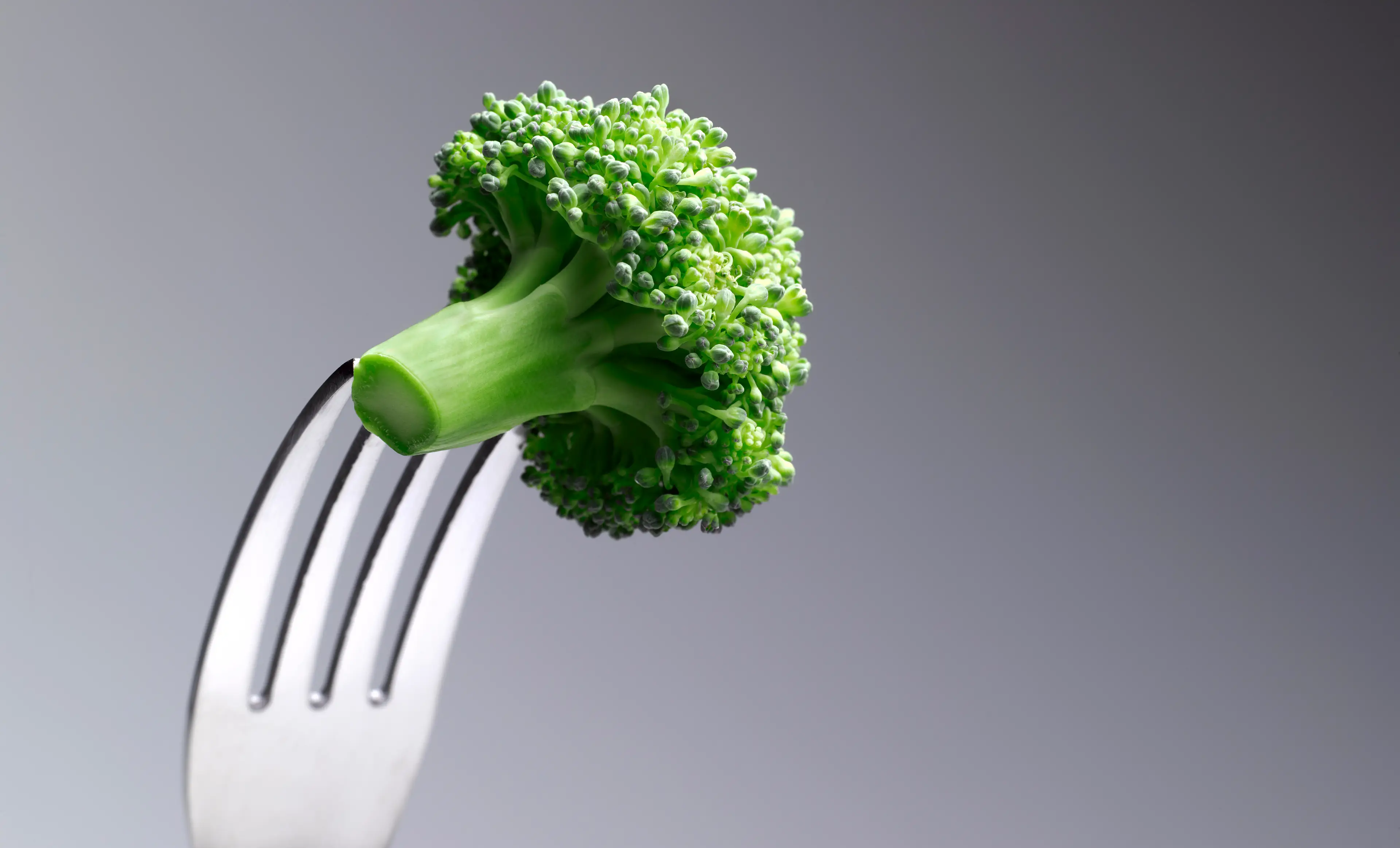
Prioritising vegetables can make your body considerably more robust (Peter Dazeley/Getty Images)

Advert

It’s typically recommended that we eat five portions of the stuff each day, ideally with each portion being a different colour. The idea there is that different colours typically signify different nutritional content, so having that variety should help you to cover all your bases.

However, it’s estimated that only 1 in 10 American adults are getting the recommended intake of 2 to 3 cups each day, marking out a significant shortfall in the amount of greens being chomped through in the States.

“Consuming the daily recommended amount of vegetables ensures you receive the vitamins, minerals, and antioxidants for good health—[reducing the] risk of chronic diseases and [improving] wellbeing,” said dietitian Sue-Ellen Anderson-Haynes, in conversation with Real Simple.

She continued: “The amount of vegetables you should eat depends on many factors such as your sex, age, [and] physical activity.

“In general, adults should aim to consume about two to three cups of vegetables per day. A rule of thumb is to make half your plate veggies—this way you will meet or exceed that recommendation.

“Currently, only 1 in 10 adults are meeting the daily fruit and vegetable recommendations according to the CDC.”

Getting more vegetables into your diet doesn’t need to be difficult. There’s plenty of variety out there, and even if you’re not particularly fond of eating them there are sure to be some that you’ll be happy to eat on the regular.
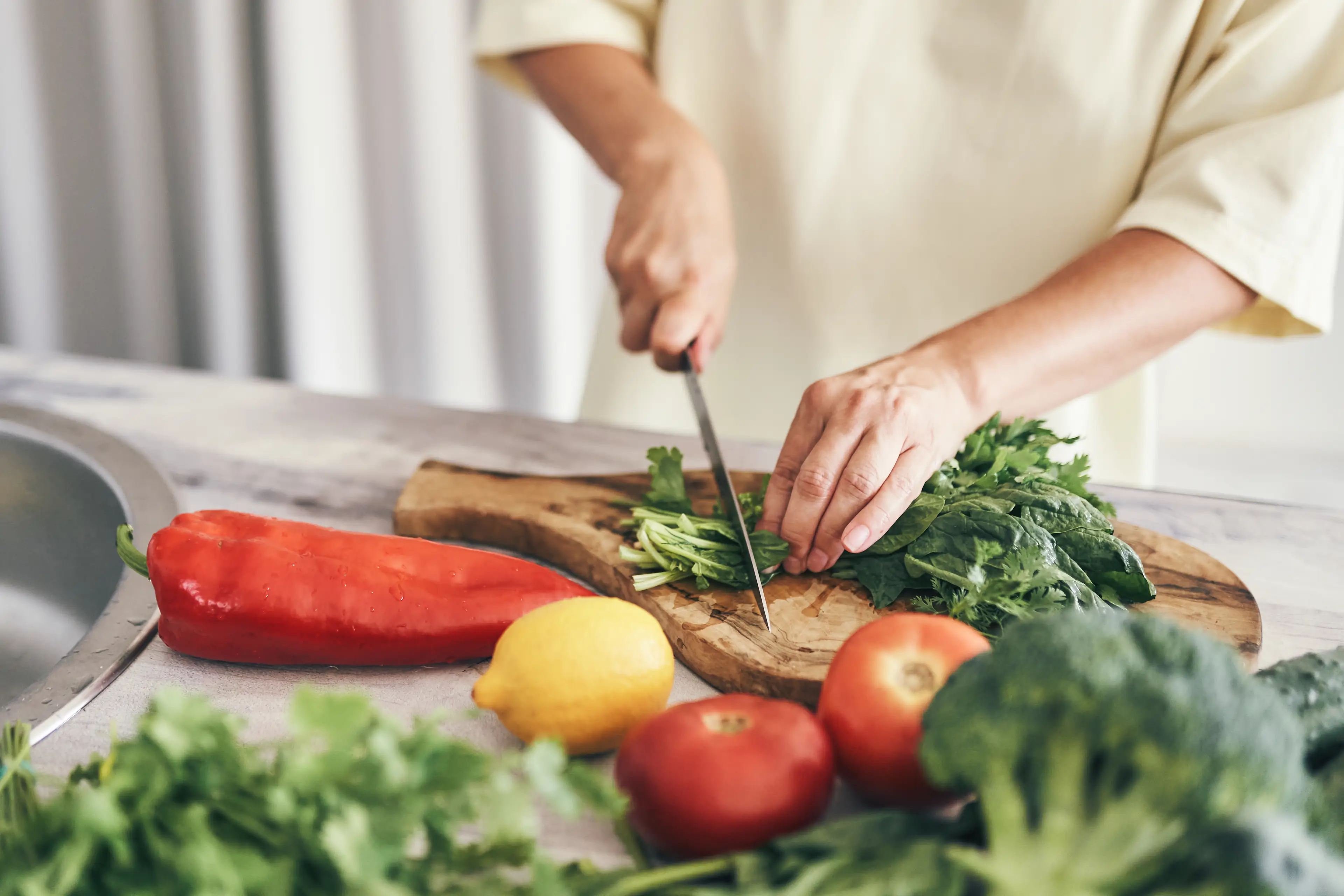
With tonnes of dietary fibre, nutrition and antioxidants, 90% of Americans are missing out on tonnes of vegetable-based health benefits (Ekaterina Goncharova/Getty Images)

If you need a bit of convincing, you can be confident that getting more vegetables on your plate will help you to feel healthy in the short-term, as well as boost your odds of healthy ageing.

“Consuming vegetables daily not only gives you an outer glow but inner glow as well: allowing maintenance of a healthy gut microbiome, reducing risk of inflammation, supporting a healthy weight, satiety, bowel regularity, and providing [heart] disease risk reduction,” explained Anderson-Haynes.

It might be too late to grow up big and strong, but it's never too late to start making healthier choices.

Choose your content:

6 hours ago
a day ago
2 days ago
  • MariaMarcone/Getty Images
    6 hours ago

    Popular European holiday spot bans shellfish following outbreak of serious illness

    The major health concern can cause serious symptoms

    Health
  • Richard Drury/Getty Images
    a day ago

    Simple daily habit could slash dementia risk by 30%

    The research may change your eating habits for good

    Health
  • Mensent Photography/Getty Images
    a day ago

    Dietitian shares vitamin D warning over 'biggest misunderstanding'

    You may want to continue taking your supplements for a little while longer

    Health
  • Getty Stock Image
    2 days ago

    Colon surgeon weighs in on viral olive oil and lemon shot trend

    Wellness fans love the drink - but is it as good for you as they say?

    Health
  • Harvard scientists reveal how much protein we should really be getting each day
  • Why you should alway use 'sponge method' to cook bacon
  • Warning over gross 'Spaghetti Meat' phenomenon impacting more than one third of American poultry
  • Dietitian reveals why you're waking up with puffy face every day