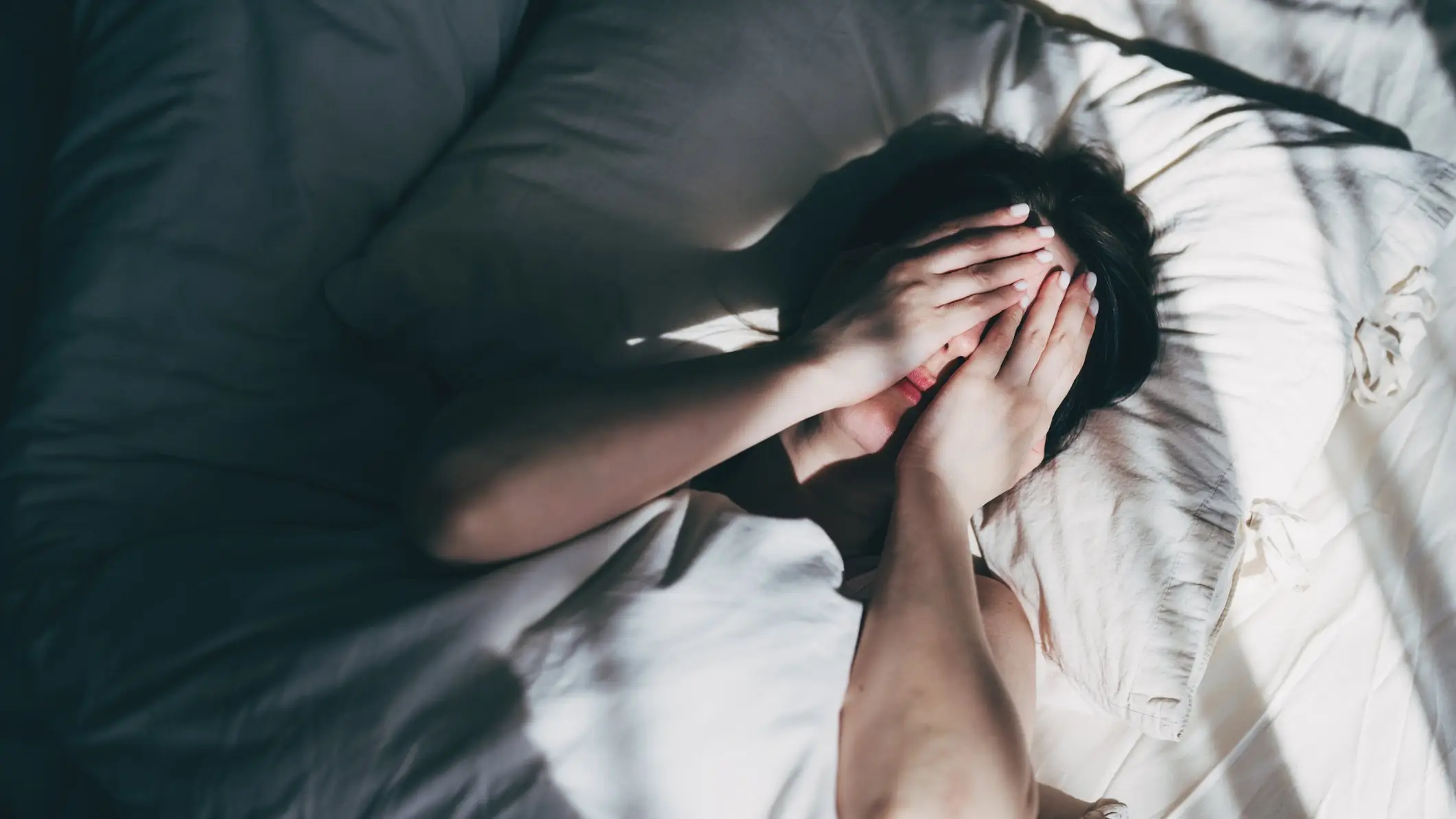
Doctor shares 'probably the best' hangover cure and it's simpler than you think

For most people, a hangover is treated like an unavoidable punishment that you accept when you accept that first drink, and the next day becomes a blur of greasy food, regret and promises to ‘never do this again’.
The sunny summer weather doesn’t exactly help, with work parties, late nights and one too many ‘just one more’ rounds becoming the norm.
There’s no shortage of supposed cures doing the rounds online. Vitamin drips, mystery supplements, hair-of-the-dog tactics and outrageously expensive wellness shots all claim to be the answer.
Yet, despite the endless hacks, most people still wake up feeling groggy, dehydrated and anxious, wondering where it all went wrong.
Advert
According to doctors, that’s because hangovers aren’t caused by one single thing. Alcohol triggers inflammation, dehydrates you, disrupts your sleep and messes with your blood sugar all at once. Fixing one part while ignoring the rest is why many of these ‘cures’ don’t quite deliver.
Speaking about how hangovers actually work, Dr Ali Khavandi explains in The i Paper that it’s not just about how much you drink, but how you drink it.
He said: “Hangovers relate not to the total amount you’ve drunk alcohol-wise, but your peak blood-alcohol levels the evening before. So if you drink rapidly the hangover will be more pronounced than if you space it out.”
He adds: “Be mindful, slow it down, and drink plenty of water. The solution to pollution here is dilution.”
That advice alone will probably save you a rough morning, but it’s not the part doctors say makes the biggest difference. In fact, the thing that’s ‘probably the best’ hangover cure isn’t found in a pharmacy, a fry-up or a bottle.
Dr Khavandi also said: “But I’ve found that out of all the possible treatments for a hangover, sleep is probably the best.”
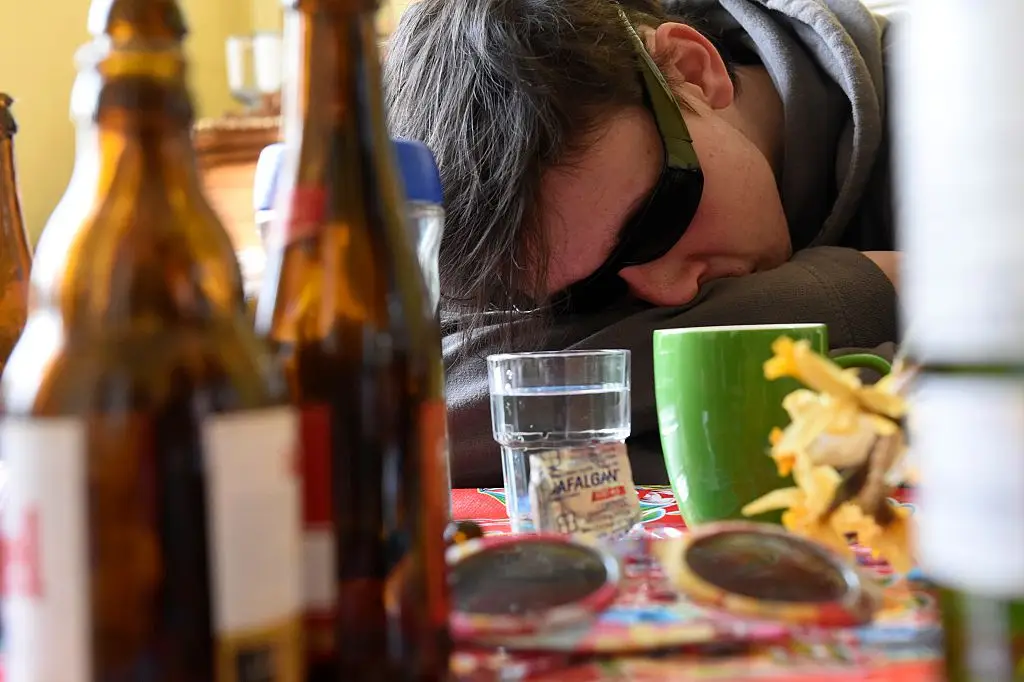
Alcohol significantly disrupts sleep quality, even if you feel like you’ve slept for hours.
He added: “Alcohol messes up your sleep and you never really get into that deep REM sleep that’s very refreshing for the body.” That’s why you can wake up exhausted even after a long lie-in.
Other doctors agree that hydration before bed helps, but sleep is where the real recovery happens.
Dr Nathan Spence says: “The key is to obviously not go mad at the start (the hangover begins before we go to sleep) so I will pace myself and have a cup of water maybe every hour.
“When I get home from being out I’ll have a pint of water with electrolytes in it – any brand works as it’s all rehydration therapies.”
 Ben Williams