
'Quietly powerful' nutrient that's increasingly important as bowel cancer cases rise

Bowel cancer cases are on the rise among young adults, according to research published in the British Journal of Surgery.
Considered the fourth most common form of cancer, it’s understood that around 44,000 people are diagnosed with the illness every year in the UK.
While experts believe cancer of the colon can be caused by genetic changes, health experts also suggest that lifestyle and environmental factors may play a part in the growth of cancerous cells.
Shockingly, World Wide Cancer Research estimates that around 30 percent of all bowel cancer cases in the UK may be associated with low dietary fibre, meaning it’s important to include good sources, such as wholegrains, vegetables, lentils, and yoghurt in your diet.
Advert
But fibre doesn’t just prevent bowel cancer - it has actually been linked to lowering the risk of heart disease, according to senior dietitian at the British Heart Foundation.

Additionally, it supports and slows down digestion, steadies blood sugar, helps us foster a diverse and healthy microbiome in the large intestine, and allows a healthy bodyweight to be maintained.
In Britain, it’s advised that women consume around 25g per day, while men should eat slightly more at 39g, as per the NHS.
However, Rhiannon Lambert, one of the UK's leading nutritionists who has hailed fibre as one of the ‘most important nutrients for daily health’, recently claimed that around 96 percent of the population isn’t getting enough.
In an interview with Hello! Magazine, the Sunday Times bestseller said that when your body is lacking in the ‘quietly powerful’ nutrient, a myriad of symptoms are bound to crop up.
“Feeling hungry again soon after eating, needing to snack frequently, afternoon energy dips, bloating, sluggish digestion or irregular bowel habits can all be linked to fibre intake being lower than it should be,” she explained to the publication.
Other low-fibre symptoms include high cholesterol and swollen veins around the rectum or the anus, AKA haemorrhoids, EatingWell experts stay.
People who have a hard time losing weight may also find that their fibre intake is below the daily recommended amount.
Lambert claimed that if you go from a zero to too much, you may begin to feel ‘uncomfortable’.
Moreover, it can ‘actually make bloating and digestive symptoms worse in the short term,’ she reasoned.
If you want to add more fibre into your diet, then it’s worth taking the nutritional ‘hack’ slow, increasing levels over a couple of weeks rather than in a few hours.
“If you are experiencing ongoing digestive discomfort or are unsure how to increase fibre in a way that suits you, it can be really helpful to speak to a registered dietitian with experience in gut health for personalised advice,” the expert added.
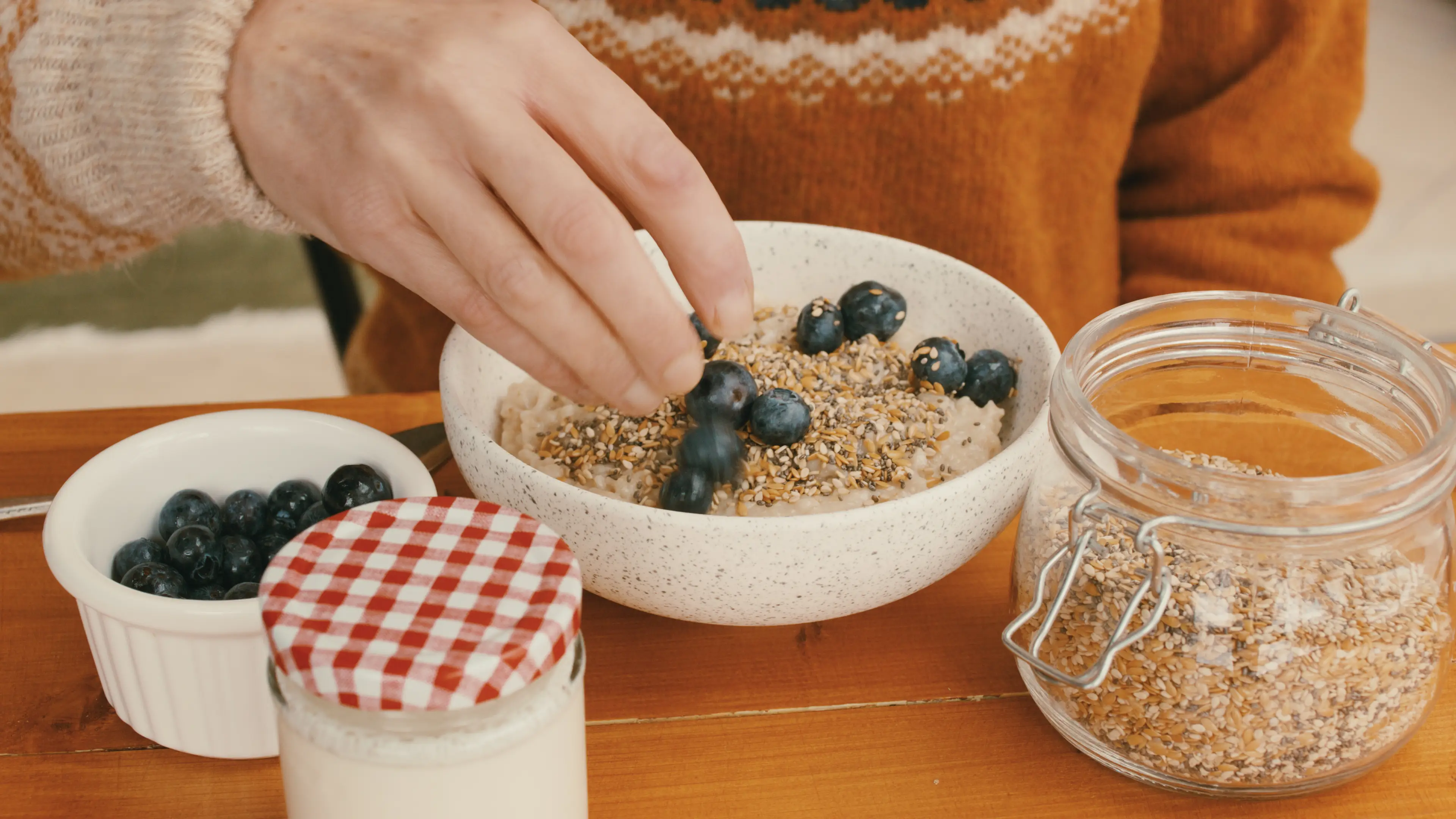
Lambert said that she personally boosts her daily fibre intake through using her homemade mixed seed jar.
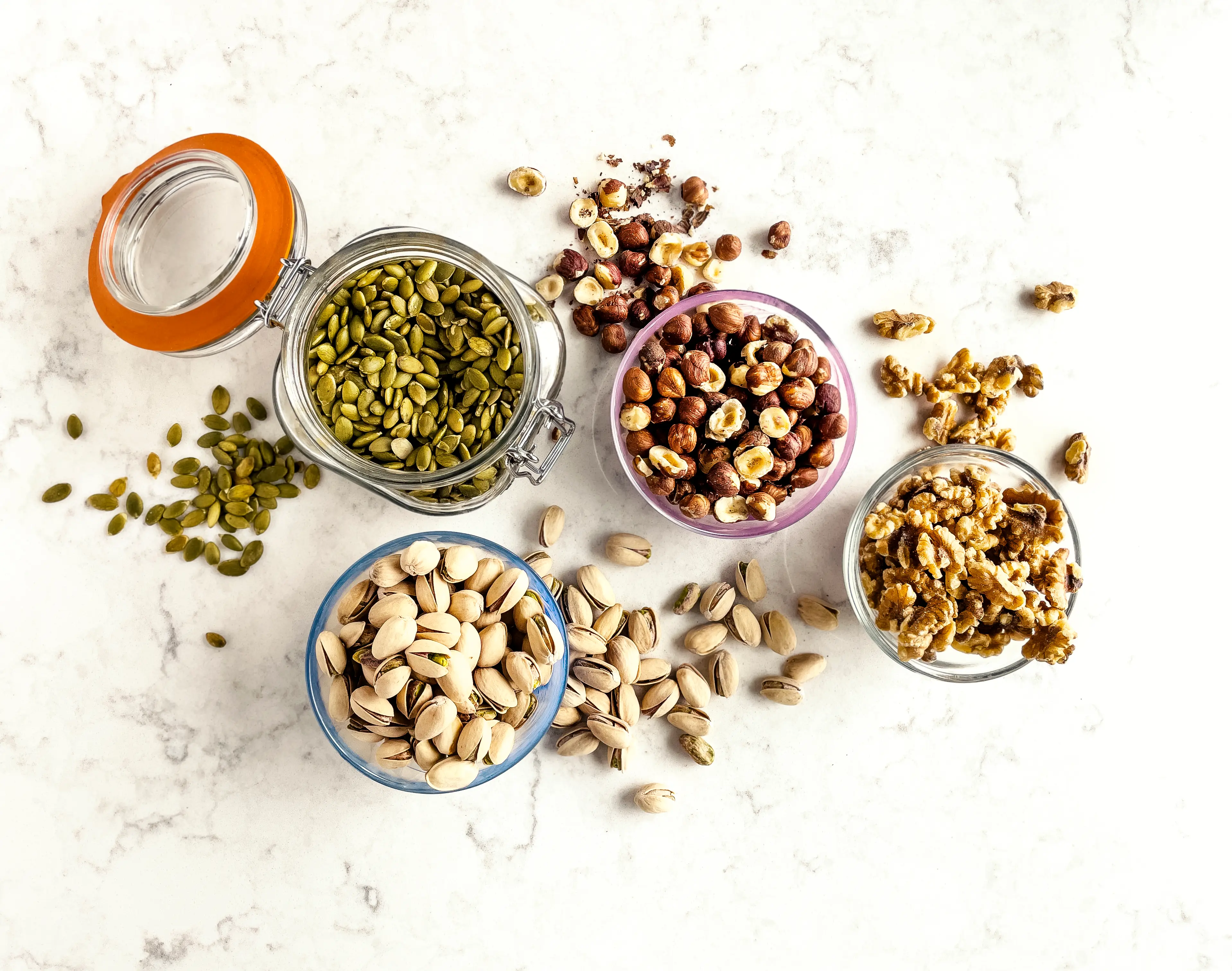
“My kids call them 'sprinkles'. They go onto yoghurt, porridge, cereal, toast - whatever breakfast looks like that day. That one small habit increases fibre intake every single morning without anyone having to think about it,” she explained to the publication.
Moreover, she revealed that you can boost your fibre by snacking on beans, and various fruits.
The Mayo Clinic listed pears, apple, bananas, oranges, and strawberries as some of the most fibre-rich fruits.
Where veggies are concerned, broccoli, green peas, Brussels sprouts, and boiled sweetcorn are classed as dietary favourites, among other fridge staples.
 Ella Scott