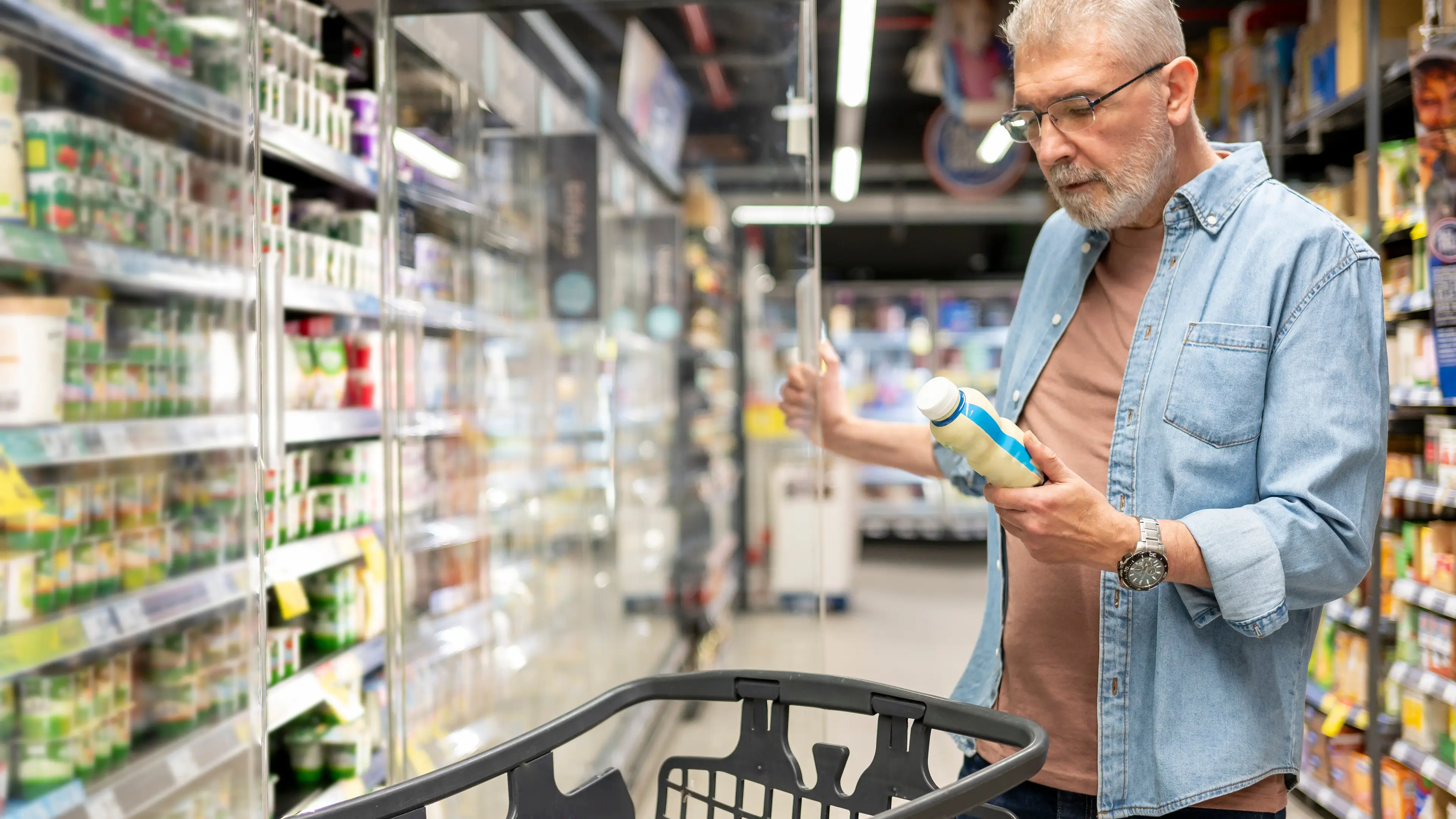
The FDA's proposed 'self-GRAS' rule change may have huge impact on food industry

 Ella Scott
A major food industry overhaul has been proposed by The US Food and Drug Administration (FDA), potentially eliminating the United States’ self-GRAS rules.
GRAS, or ‘generally recognised as safe’, is an FDA designation that allows companies to add certain substances to their food without any formal approval.
This exclusive selection of additives is maintained on a list which undergoes periodic updates as new scientific information emerges.
It essentially allows manufacturers flexibility, encourages product development, and reduces regulatory barriers, as per DDReg Pharma.
Advert
However, challenges arise where self-GRAS is concerned, including public perception and trust, as well as possible regulatory oversight.
In 2026, the FDA plans to possibly eliminate regulatory pathways allowing companies to independently determine that a substance is GRAS, as per Bloomberg Law.

If the legislation is adopted, then companies will have to submit mandatory GRAD notices to the FDA.
This move has been hailed as a ‘cruicial step’ to ‘Make America Healthy Again’ by Health and Human Services Secretary Robert F. Kennedy Jr..
The FDA has already submitted a draft proposed rule to the White House’s Office of Management and Budget.
In the filing, it stated that if the rules were adjusted, then businesses would have to declare GRAS notices before adding substances to food.
“Food substances include both ingredients and substances added indirectly (such as from food packing),” the abstract reads.
“Food substances that are listed or affirmed as GRAS for the intended use by regulation, or for which FDA has already issued a no questions letter on its GRAS notice inventory, would be exempted.”
The proposed rule would also ‘clarify that FDA maintain and update the public-facing GRAS notice inventory for all substances that are the subject of a mandatory GRAS notice for its conditions of intended use’.
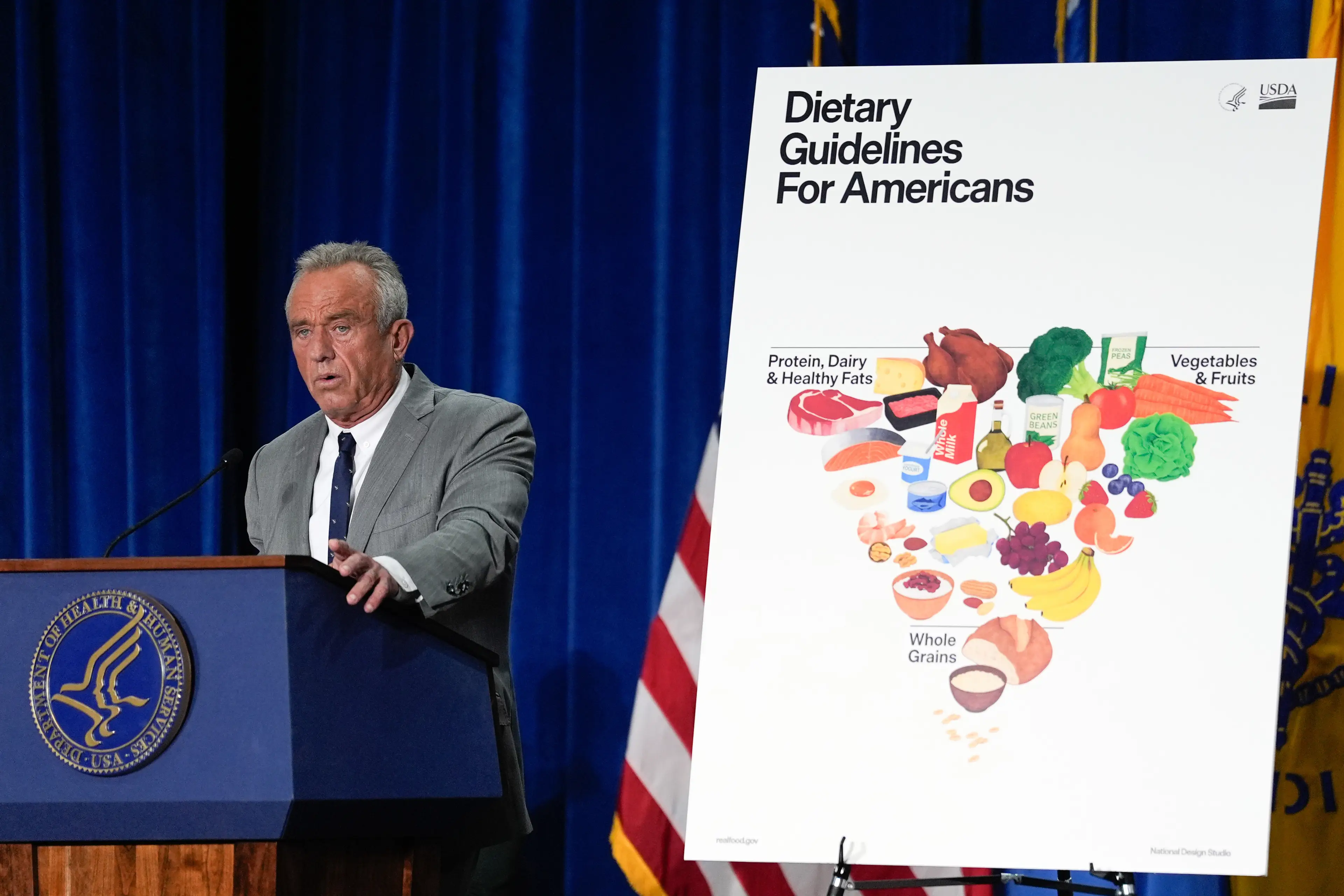
“The proposed rule would also clarify the process under which FDA would determine that a substance is not GRAS,” the abstract added.
The FDA’s proposal comes amid the pending Ensuring Safe and Toxic-Free Foods Act of 2025 and the Better Food Disclosure Act of 2025.
Both of these proposals are currently with Congress and are engineered to provide the F&B industry with a two-year grace period in which to submit GRAS notices for eligible substances, Bloomberg Law wrote.
If any of the proposals are passed, companies can expect new administrative burdens, extended timelines, and potentially higher costs, as per Product Life Group.
The GRAS proposal comes amid the FDA’s decision to relax legislation around artificial colour labelling.
In the past, food manufacturers could only use the ‘no artificial colours’ line if their products contained no naturally-occurring or synthetic colours.
Now, as long as the item doesn’t contain any petroleum-derived colours, it can be labelled as such.
The move was initiated via a letter to industry - a move that Brian Ronholm, director of food policy at Consumer Reports, has described as troubling.
In a discussion with Food & Wine, the expert claimed that if the FDA had distributed the news via the regular channels, then it would have probably faced backlash.
"Had they gone through traditional regulatory channels that included the submission of public comments, the FDA would have been subject to significant criticism for abandoning their commitment to eliminate synthetic dyes,” he stated, noting that the letter method was a ‘gift to industry’.