
Dietitian reveals everything that happens to your body when you give up sugar

Sugar is something that most of us eat daily, but if you cut it out of your diet, you’ll see some major differences in your body.
While the taste is very nice, the amount of sugar that’s loaded into a lot of foods is pretty insane.
Things with a higher sugar content will give us a buzz like no other, but then a terrible sugar crash if we gorge too much on sweeties and processed foods.
But you don’t have to cut it out completely to reap the rewards. In fact, BDA-accredited dietitian, Nichola Ludlam-Raine, revealed that just reducing your sugar intake is enough to bring you some positive changes.
Advert
You might get withdrawal headaches initially
When you stop eating as much sugar, your body will start to react, and this might not be in the way you’d hope.
“If people have had a high sugar diet previously, they might experience headaches,” Nichola told The Body Coach.
The reason for this is that your body becomes accustomed to the highs and lows of sugar content in your system and when you stop this cycle, the adjustment period can lead to headaches because you’re actually withdrawing from caffeine too if you used to eat a lot of chocolate or drink some sugary cans of pop.
It might also cause you to be dehydrated if you stop drinking your sugary drinks and abstain from liquids in general.
Drink water and ride it out.

Fewer crashes and cravings
You might be surprised to know that when you stop eating as much sugar, your body will try its best to get you to eat something that turns into sugar - namely carbohydrates or white bread that’s loaded with sugar.
When you stop your access to sugar, the body will crash at first before it levels out.
At this point, you might experience some unfortunate symptoms.
Per Holland & Barrett, the first few weeks from your sugar decrease include:
- irritability
- feeling depressed
- muscle aches
- tiredness
- mood swings
To help yourself out, eating wholefoods that can keep you feeling fuller for longer could curb your cravings.
“If you start the day with a can of Coke, for example, vs. porridge, a can of Coke will give a big spike in your blood sugar, then an hour later you’ll find yourself hungry. Porridge is slow releasing, so there is no blood sugar spike," Nichola said.

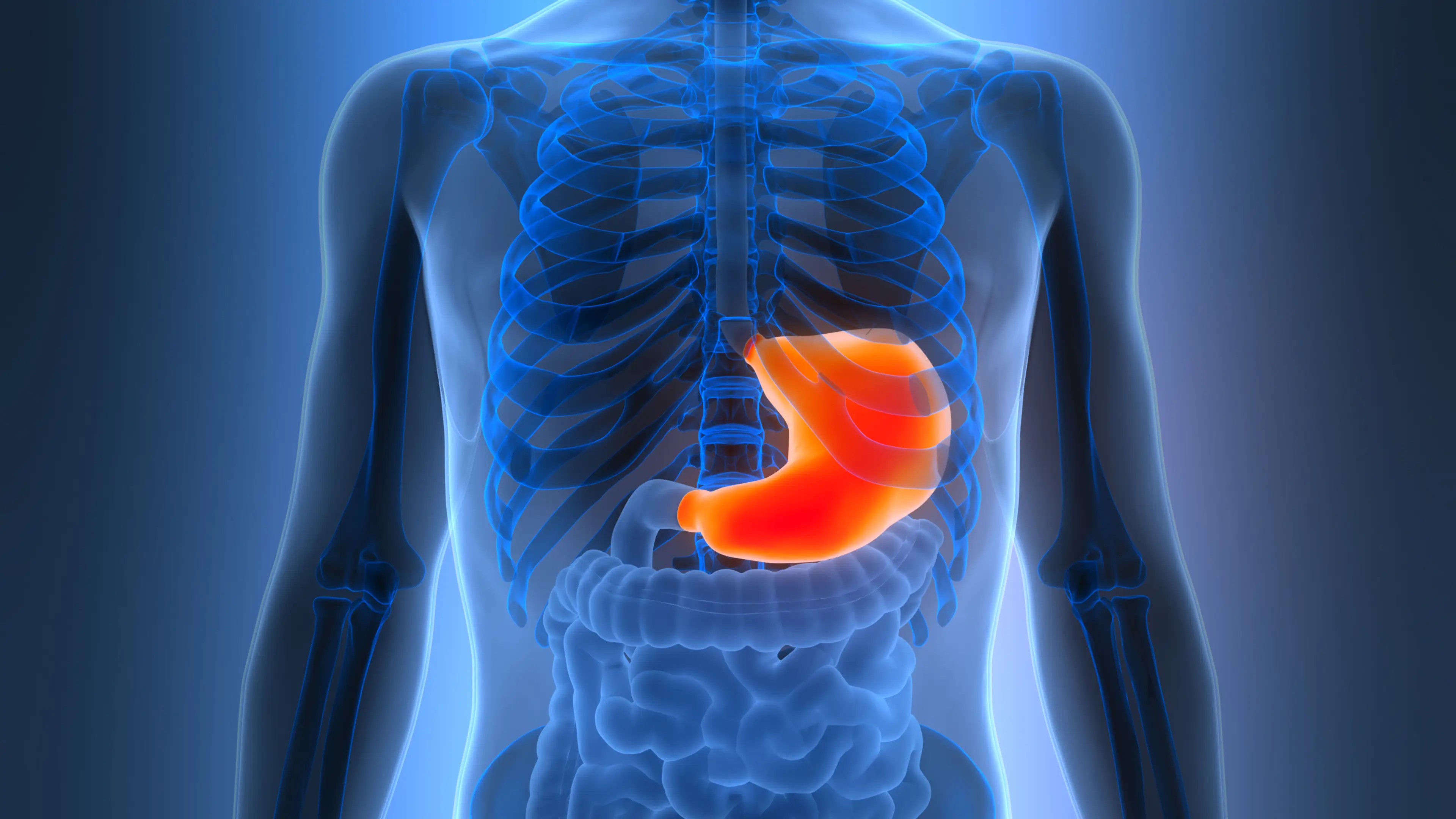
Your gut health will improve once you cut sugar
The reason you might notice fewer gut issues is because, when you eat a lot of food that is high in sugar, it’s unlikely to include much-needed fibre which feeds the microbiome.
Instead, the sugar can cause inflammation, which can lead to things like stomach pain, or constipation.
“If you’ve got a really high sugar diet, you're not going to be hitting fibre goals each week,” relayed Nichola, "and our gut feeds on fibre and fruit and veg."
Instead, the NHS advises that a person should aim to eat at least five portions of fruit and vegetables per day to meet their nutritional needs.
With less inflammation comes fewer bad gut problems and less bloating.
If you found yourself reaching for ultra-processed foods, the sugar within those products typically are gas-producing bacteria in the gut, causing water retention.
According to Gas X, this happens because ‘your small intestines don't have the enzymes needed to break down and absorb the sugars in some foods’.
Once you cut down your sugar intake, you’ll produce less gas and your tummy will feel a lot better for it.
You may see improvements in your health
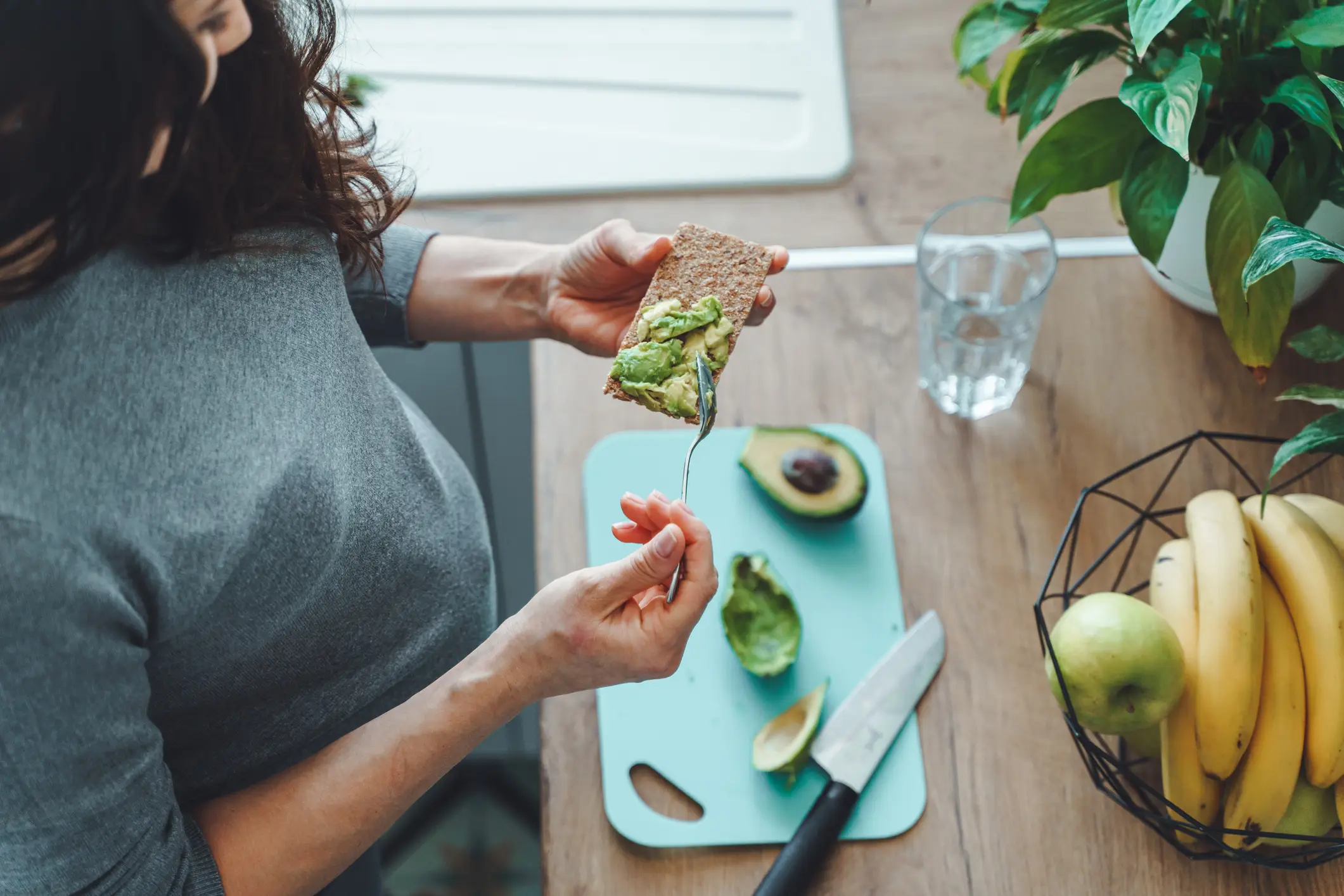
As well as short-term benefits, swapping out sugar could also help you to improve your long-term health.
“You're likely to get a better blood profile,” Nichola said. “Triglycerides are seen as ‘bad fats’ in your blood and they can be raised if you have a really high free sugar diet.
"Reducing sugar means you may have a drop in these, which means less fat stored around your liver. This can reduce things like Type 2 diabetes.”
Also, enjoy the benefits you’ll see in your oral health too, now that you’re not eating things that cause a build up of plaque.
“Sugar feeds bad bacteria in our mouth, which can cause decay,” said Nichola, who suggested eating your sugary foods with a meal so that you’re also eating normal foods in between.

You could lose weight
Eating fewer sugary foods often means that you'll consume fewer calories.
With that, you might just end up losing weight, as you'll eat less food that creates fat to build up more than you're able to burn.
If you want to swap out some of your daily sugar and replace it with whole foods, Nichola suggests doing the 80/20 rule.
She said: “I don’t believe in banning sugar. If the diet is 80% whole foods, then there is room for it. Often, if you ban something, you can end up craving it more. But if you incorporate treats mindfully, within the context of a healthy diet, it can work better.”
You can also jot down what sugar you’re eating in a journal to see where you eat the most in the day.
But if you feel overwhelmed with chopping your sugar, Nichola suggests starting with decreasing your snacks first.
“If you’re reaching for some sugar, stop and think, ‘What do I need at this moment?’ It could be a breather, a break from work, or a more filling meal. Having these moments can help you decide why you’re reaching for a sugary snack,” she said.
 Britt Jones