
Doctor issues stark warning on deadly condition linked to kitchen renovations

Experts have warned that tradespeople specialising in fitting glossy quartz kitchen worktops, stonemasons, and pottery are paying the price of their craft with their health.
Checkatrade reported last year that there were around 900,000 tradespeople currently operating in the United Kingdom, with thousands specialising in kitchen renovations.
And while your stone kitchen counters may look good, the people creating them are suffering, experts have revealed.
According to a study published earlier this year, there has been a 27-fold increase in silicosis compensation claims between 2015 and 2022, with the average age of workers suffering from the condition being just 39.
Advert
The epidemic is causing doctors and medical experts to call on governments across the world to introduce screening for manual workers due to symptoms not often manifesting for five to twenty years after exposure.

Here’s everything you need to know about silicosis, including symptoms, who is most at risk, and what it often gets misdiagnosed as.
What is silicosis?
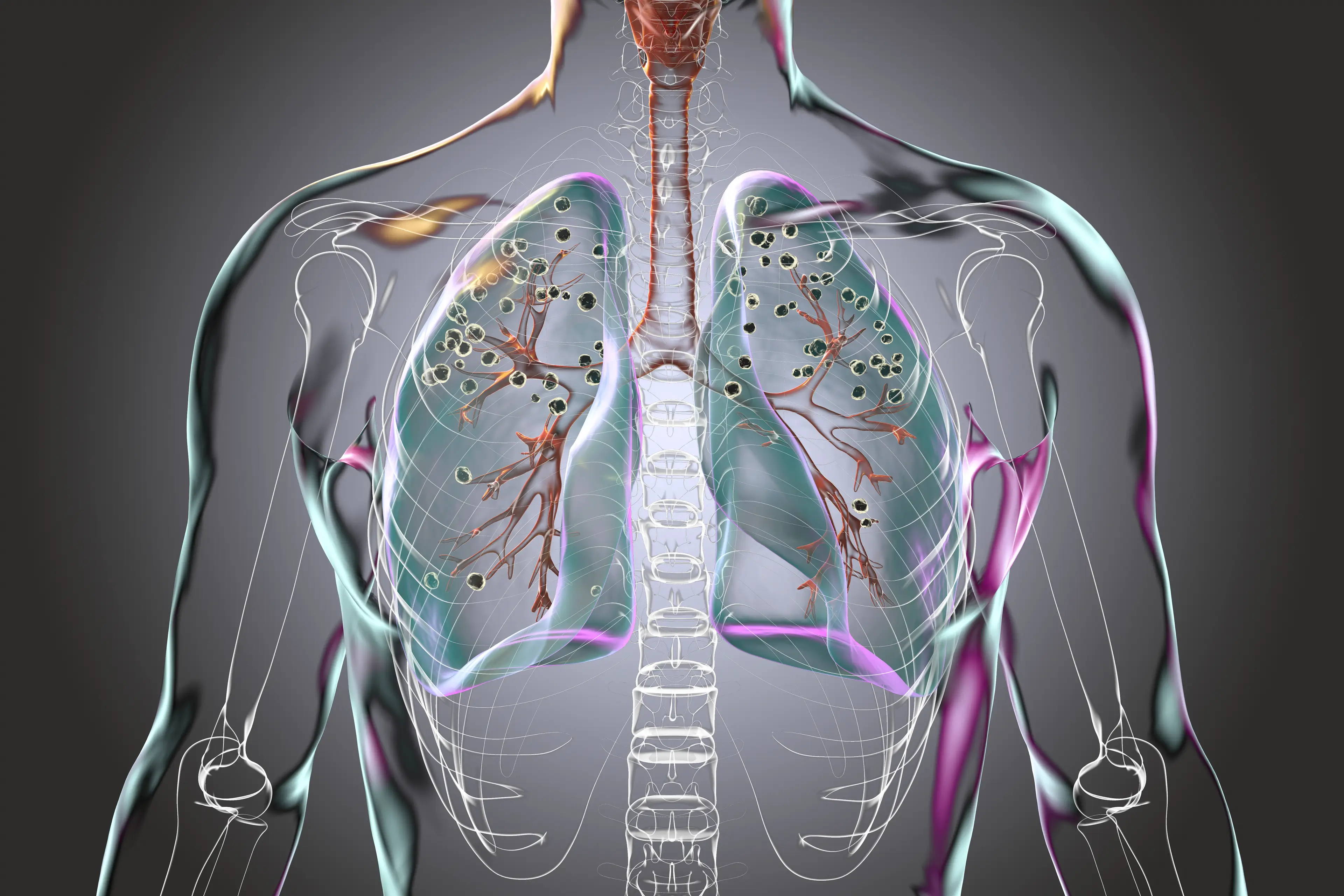
Silicosis is defined as an occupational lung disease caused by the inhalation of respirable crystalline silica (RCS) dust that cannot be expelled from the lungs.
Over time, the debris accumulates, causing inflammation and scarring.
If too much of the RCS is inhaled, it can prevent the lungs from working properly, as per RWK Goodman.
Who is at risk of silicosis?
People who work as stone masons, on construction sites, and cut quartz are at greater risk of contracting silicosis.
According to the i paper, 435 cases have been confirmed among engineered stone stone workers since 2019, with 25 resulting in deaths.
Australia has now even banned engineered stone.
As per the NHS, employees who manufacture and fit kitchen worktops, sandblasters and those who work in the pottery and ceramics industries may also experience the illness.
How quickly does silicosis develop
Unfortunately, it can take years for silicosis symptoms to manifest due to a slow, gradual buildup in the lungs.
Some people may not notice any real problems until decades after they have stopped working in their manual profession.
While silicosis usually develops after being exposed to silica for one or two decades, it can also develop after just five to ten years of exposure.

“We used to see silicosis after a decade plus of exposure, whereas in the case of artificial stone, they seem to be getting it much more quickly,” Dr Johanna Feary, a consultant in occupational lung disease at London’s Royal Brompton Hospital told the i paper.
“Some people have very mild disease and some people have advanced disease. But it’s a devastating diagnosis to have and if you’re particularly unwell it’s very scary.”
Symptoms of silicosis
The main symptoms of silicosis include
- Persistent coughing
- Constant shortness of breath
- Weakness
- Fatigue
People may also experience rapid weight loss or no symptoms at all, according to Dr Feary.
“[There is] this whole group of people who’ve been exposed to silica dust, and they have early silicosis, but they have no symptoms of it. So they don’t realise that they have silicosis,” she lamented.
Often, silicosis is wrongly diagnosed as sarcoidosis.
The latter is a rare inflammatory disease that causes red, swollen nodules to form on the lungs, lymph nodes, skin, eyes, and other body parts, as per The Cleveland Clinic.
Doctors issue warning on silicosis
Dr Ryan Hoy, who led the Monash Centre for Occupational and Environmental Health in Melbourne’s recent study into silicosis compensation claims, warned that there is likley to be a ‘very large number of undiagnosed workers’ operating right now.
He also said that government-funded screening of stone benchtop workers should be considered in other countries where quartz has become popular, including the United Kingdom.
Dr Feary added: “I think we will continue to see an increase in numbers. But how many we will see I don’t know.
“I think we need to be really focused in terms of how we approach it.”
She urged anyone who works with engineered stone and is concerned about their health to contact their GP or speak to Brompton’s clinical service website www.lungsatwork.org, which accepts referrals for patients.
How do experts screen for silicosis
Once your silicosis concerns are aired to your GP, they will likely ask you about symptoms and your work history before listening to your lungs through a stethoscope.
Further tests may include chest X-rays, a computerised tomography (CT) scan, and lung function testing.
There is no cure for silicosis, but treatment options are available to relieve symptoms and improve quality of life.
 Ella Scott