
Subtle warning sign on your foot that could signal unhealthy liver

Health experts are urging people to check their feet for a possible sign of liver disease.
As it turns out, you may be able to find out a lot about your overall health by looking at your feet.
Although finding rough skin on the feet isn’t completely out of the norm, as it could be the result of your footwear, it could also be a sign of a vitamin deficiency.
However, a health expert has now weighed in on why it’s in all of our best interest to be a lot more pedantic when checking our feet.
Advert
Rough skin on the feet could be a sign of a more serious health concern, says Dr. Pelz. Dry and cracked skin on the feet could be an early sign of liver disease.
Dr. Pelz spoke with Diary of a CEO podcast host Steven Bartlett about the things we should all be aware of when it comes to our feet. The women’s health specialist said: "Dry and cracking is showing that you're not getting proper circulation down to your feet.
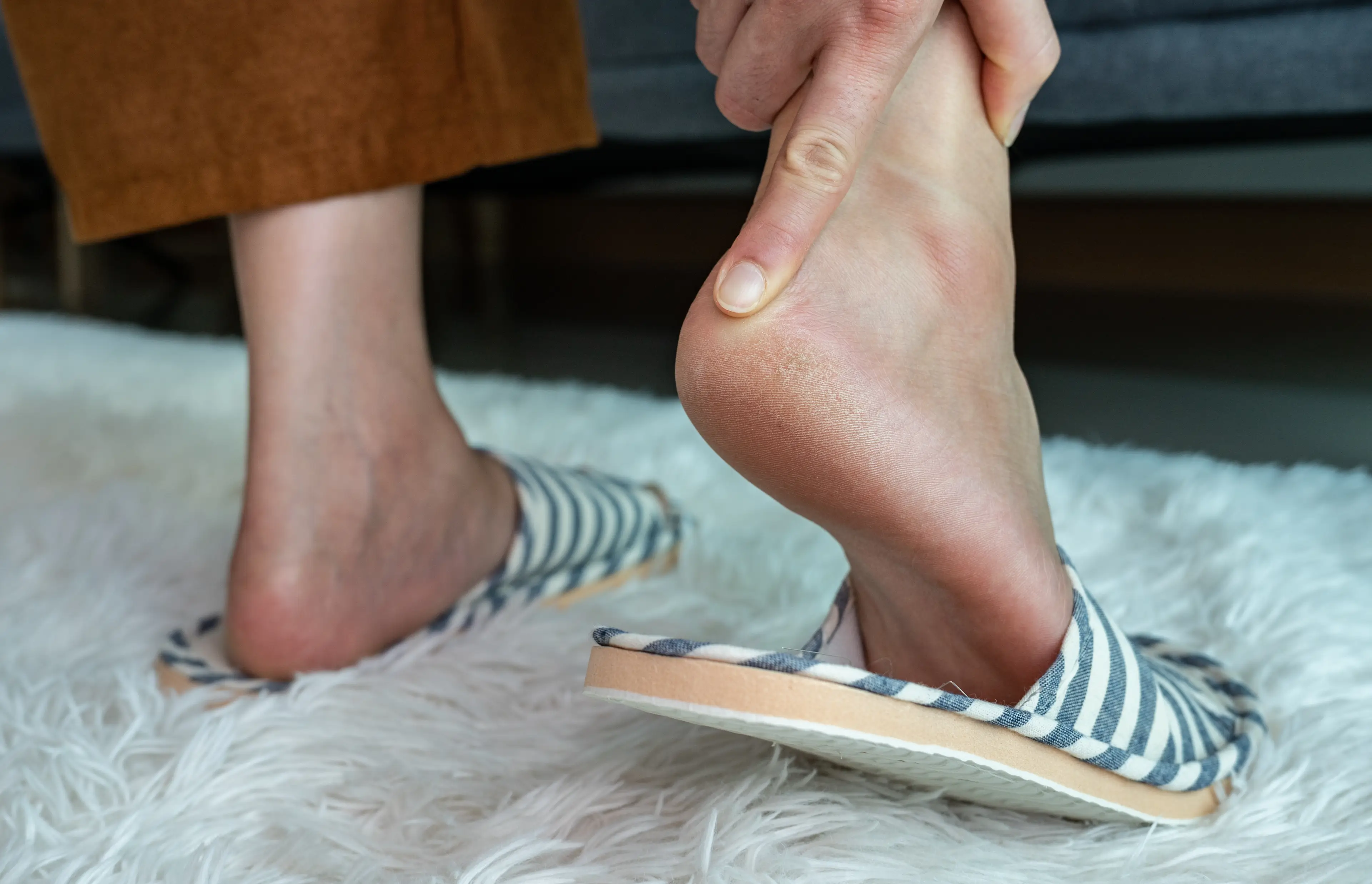
“So it can be a possibility that the liver is not doing a good job of detoxing and getting toxins out."
She added: "Your circulation isn't freely getting down to the bottom of your feet."
The Dragon’s Den star then peeled off his own sock and took a closer look at his foot. He quizzed: "What is a sign that my liver is not healthy, looking at the bottom of my feet?"
The doctor said: "It's the real dry cracks."
The liver performs hundreds of vital functions that help maintain overall health. These include regulating metabolism, producing bile, detoxifying harmful substances, and storing glycogen as well as essential vitamins such as A, D and B12, and minerals including iron and copper.
Symptoms of liver disease can vary significantly and often do not become apparent until the condition has progressed.
When symptoms do appear, they typically reflect a decline in the liver’s ability to carry out its normal functions.
One symptom of cholestatic liver disease is pruritus, or persistent itching of the skin. This itching is often more severe at night and commonly affects the palms of the hands and the soles of the feet.
The skin may appear normal unless it has been damaged through scratching.
Redness, bumps and cracks are generally the result of scratching rather than a direct effect of the liver condition itself.
Dry, cracked heels are usually linked to more common causes. These include dry skin, cold weather, prolonged standing, fungal infections, diabetes and hypothyroidism. If you find dry and cracked skin on your feet, it doesn’t mean you automatically have liver disease.

The liver also produces bile, a substance essential for the digestion and absorption of fats and fat-soluble vitamins. These include vitamins A, D, E and K. In conditions such as cholestasis, where bile flow is reduced or blocked, deficiencies in these vitamins may happen.
Poor liver function can limit bile production, affecting the body’s ability to absorb these nutrients effectively.
Deficiency of vitamin B3, also known as niacin, can lead to pellagra, a condition characterised by diarrhoea, dermatitis and dementia.
Foods to help improve liver health
There are several food sources that are rich in vitamin B3, including: red meat like beef and beef liver, poultry, fish, pork, brown rice, fortified cereals and breads, nuts, seeds, legumes and bananas.
You can also find omega-3 in fish, oysters, sardines, anchovies, flaxseed, chia seeds, walnuts and soybeans.
Topics: Health
 Greg Harris