
Storecupboard spice landed woman in hospital after she ate just two teaspoons' worth

When a woman was presented at the emergency department with drowsiness, incoherent speech, and confusion, she initially blamed her condition on partying - but it turned out she was suffering unintentional autointoxication from a pantry staple.
Spices not only enhance how our food tastes, but they are also known to be rich in antioxidants and protective polyphenols, according to gut health revolutionists Zoe.
Some of the most popular include turmeric, which contains curcumin, a compound that can help neutralise ‘harmful free radicals that can contribute to chronic diseases, and paprika, made from grinding dried, sweet, or hot peppers.
Studies suggest that the latter is a good source of vitamin A, may help prevent inflammation, and improve cholesterol levels.
Advert
Another favourite spice is nutmeg. But did you know that too much of it can be a bad thing?
Nutmeg and its benefits
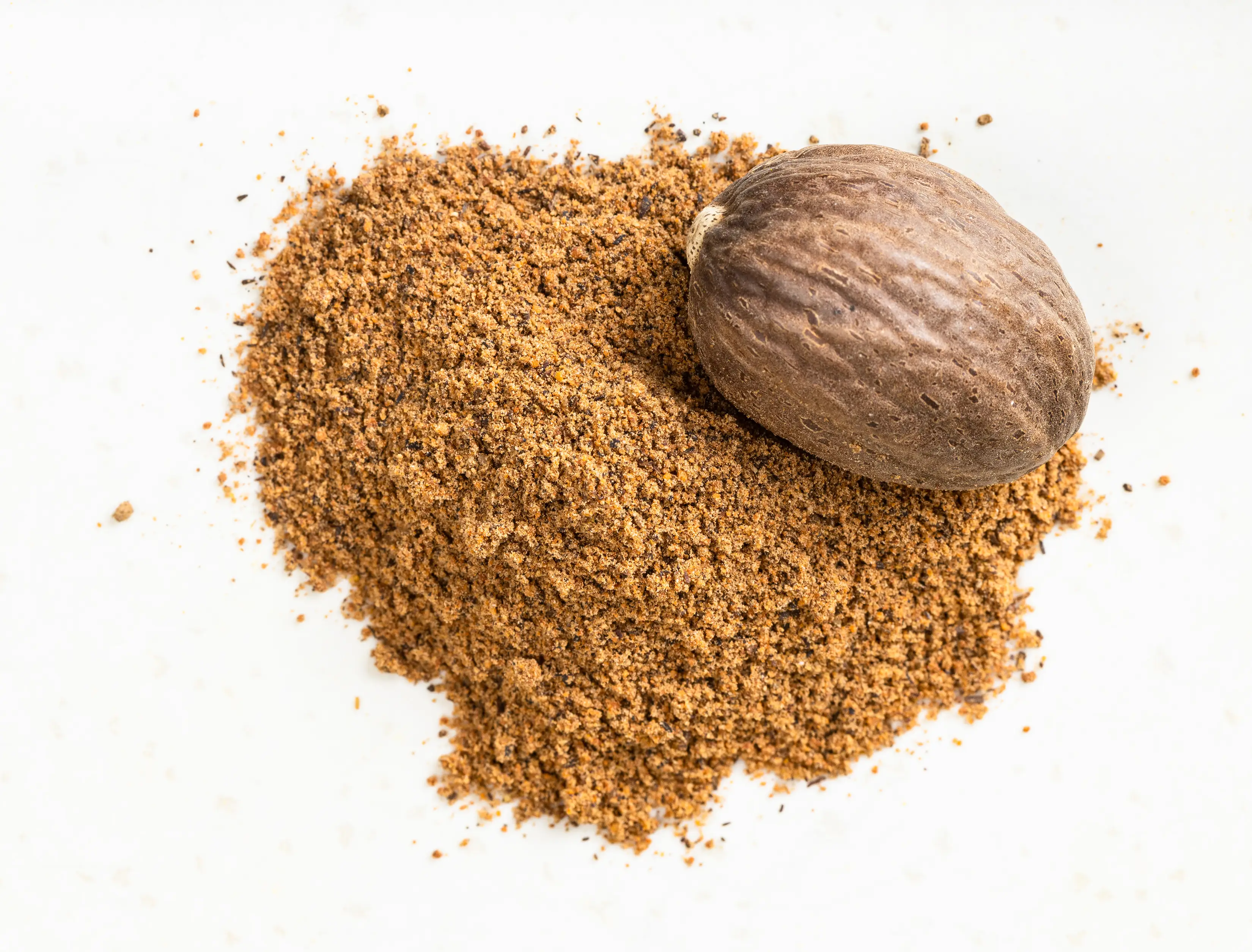
Nutmeg is a spice derived from the seed of the evergreen Myristica fragrans tree.
Often used to flavour soup, meats, and warm drinks, its benefits include improved digestion, anti-inflammation, and a possible libido boost.
Research also suggests that the nutrient is a powerful anti-microbial, antioxidant and antiseptic agent.
Side effects of nutmeg
As well as having some positive effects on the body, too much nutmeg can cause havoc with your health.
It contains myristicin and safrole, two properties that can cause you to hallucinate and lose muscle coordination when consumed in large doses, as per Holland and Barrett.
Other side effects include: dry mouth, seizure, gastric distress, and cardiovascular issues, as per a literature review from the Illinois Poison Center.
People who eat too much may also suffer from decreased salivation, cutaneous flushing, and experience anxiety and/or fear.
Woman hospitalised after consuming nutmeg
In a study published in the Netherlands Journal of Medicine, a 37-year-old woman was taken to her local emergency department after waking up at 4am following an annual society conference.
Initially, the woman experienced symptoms such as dry mouth and a sense of incomplete voiding, but chalked her illness down to the three units of alcohol she consumed the night before.
The morning after the event, she failed to recognise her colleagues and was unable to find the dining hall, prompting her peers to take her to a hospital.
Doctors carried out physical and neurological exams, as well as blood and urine tests and didn’t find any abnormalities.

An hour after being discharged from care without any answers, the unnamed woman realised why she was possibly feeling ‘groggy’.
The research stated that before the party, the woman ate dinner and added two teaspoons of nutmeg to her portion of asparagus.
After some research, she realised that the ‘effects she had experienced were highly suggestive for a nutmeg overdose.’
It’s understood that the woman’s mental confusion subsided within 10 hours, while her dry mouth and urine retention persisted for 36 hours.
The paper added that while she ‘recovered completely’ from eating too much nutmeg, she has not consumed it since.
How much nutmeg should you eat
Healthline reported that, as well as the common side effects, consuming too much of the spice can cause organ failure and even death if used in combination with other drugs.
To avoid danger, it’s recommended that you don’t exceed more than one to 2mg a day, as per Drugs.com.
 Ella Scott