
Experts hit out after FDA relaxes rules around 'no artificial colors' label

The US Food and Drug Administration (FDA) has relaxed its artificial colour labelling policy, with experts questioning the method by which the announcement was made.
On 5 February, the FDA shared a news release titled ‘FDA Takes New Approach to “No Artificial Colors" Claims’.
The agency, designed to protect the health of United States citizens, said it was taking ‘additional steps to support the transition of [the] nation’s food supply from the use of artificial petroleum-based colours to alternatives derived from natural sources.’
One of these further actions is allowing companies to have greater ‘flexibility’ when it comes to ‘no artificial colours’ claims.
FDA relaxes ‘no artificial colours’ rules
Businesses can now classify their products as containing no artificial colours as long as they don’t contain popular petroleum-based colours, such as Indigotine, Tartrazine, and Sunset Yellow FCF.
Advert
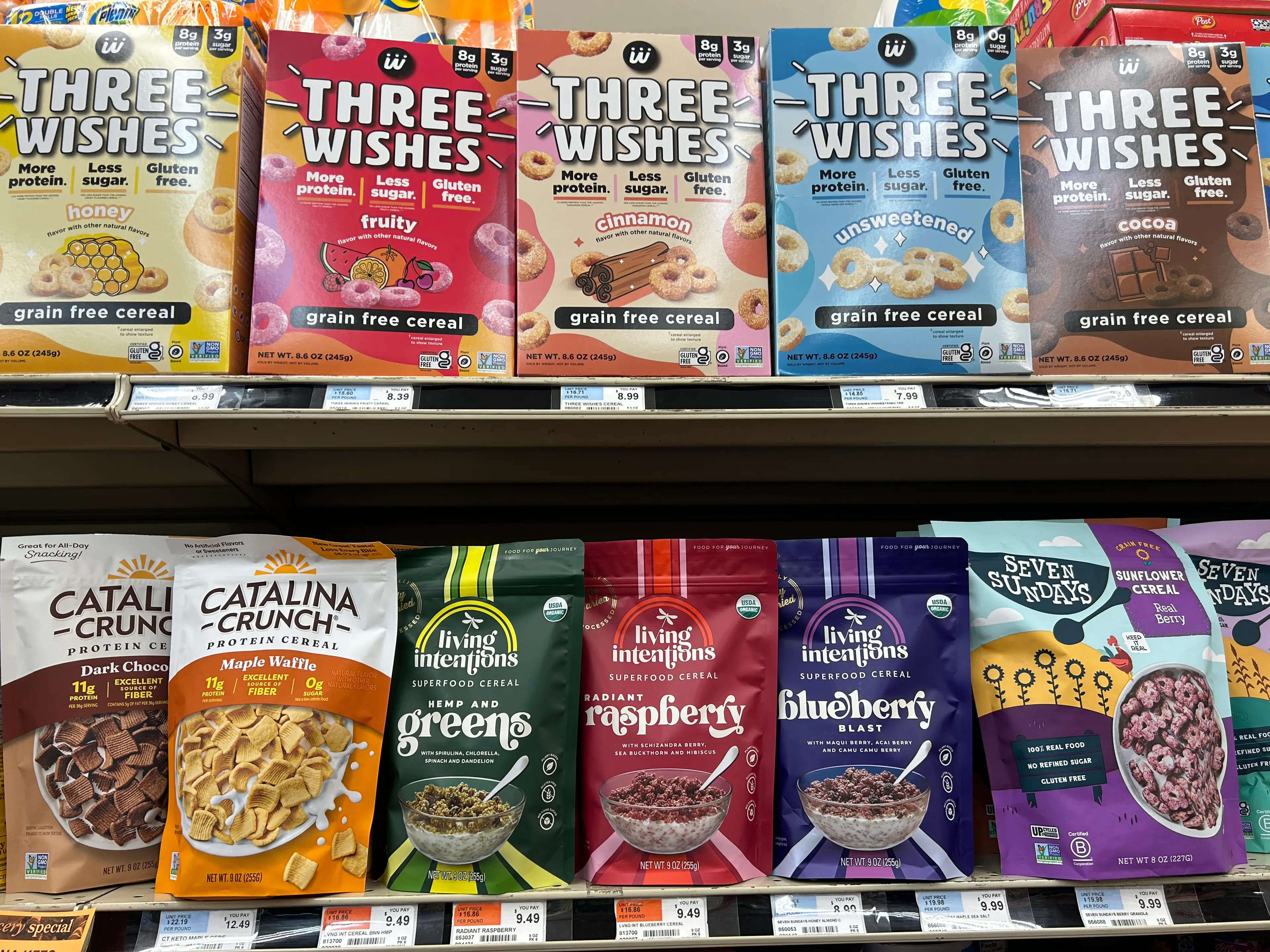
These additives, alongside others, are set to be phased out completely in the US by the end of 2027.
Historically, manufacturers were generally only able to make ‘no artificial colour’ claims when their products had no added natural or synthetic colours whatsoever.
Now, items with natural colouring can carry the label.
FDA Commissioner Marty Makary has acknowledged that widening the definition and allowing for natural colourings to go unnoticed may be ‘confusing’.
“We acknowledge that calling colors derived from natural sources ‘artificial’ might be confusing for consumers and a hindrance for companies to explore alternative food coloring options,” he said.
“We’re taking away that hindrance and making it easier for companies to use these colours in the foods our families eat every day.”
FDA approves new food colours
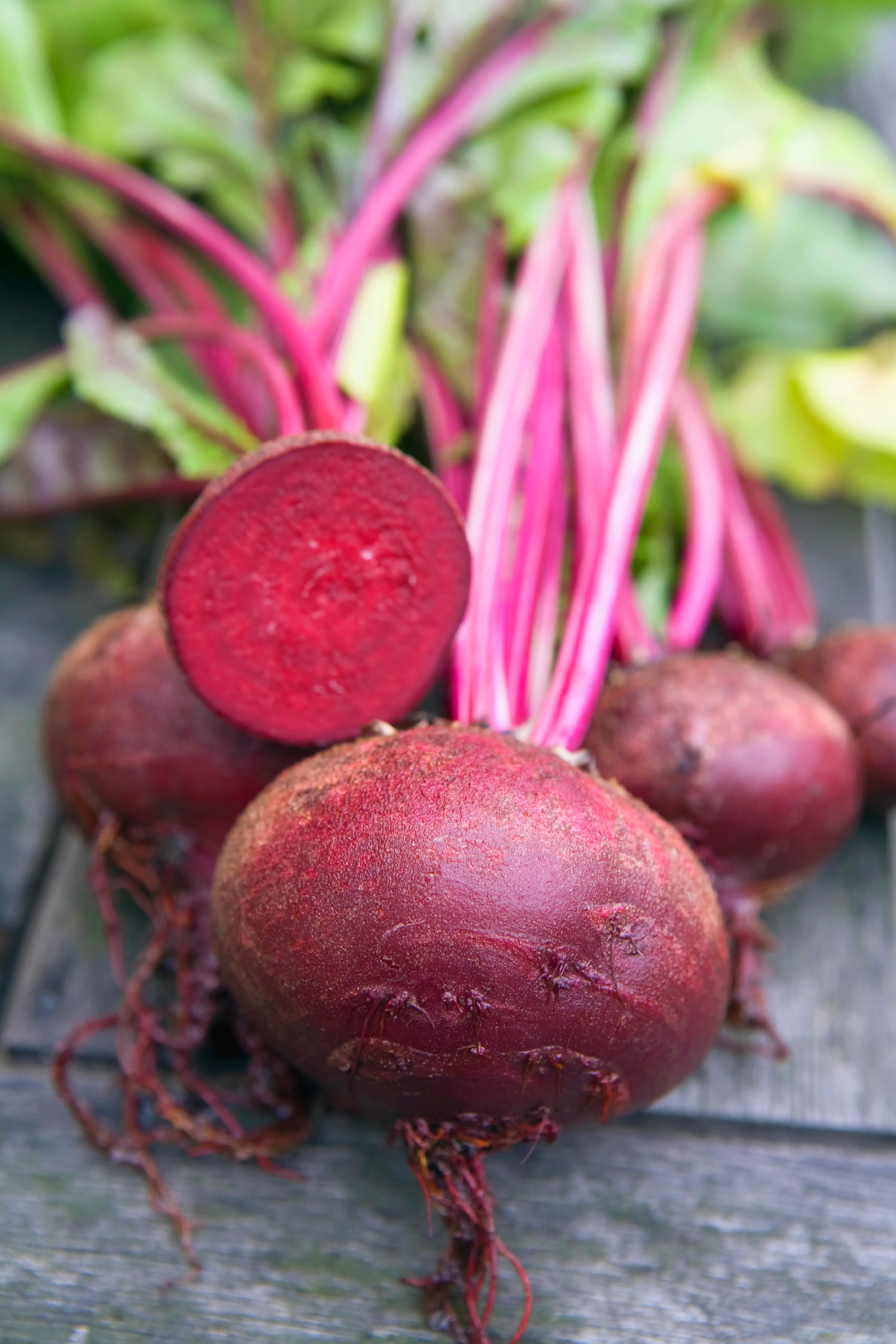
Additionally, the US government has approved beetroot red as a new colour option.
It has also expanded the use of spirulina extract, an existing additive derived from a natural source.
“These actions were initiated by two petitions and will further help the industry transition from petroleum-based food colours. This brings the total number of new food colour options approved under the current administration to six,” the FDA explained.
Experts debate new label rules
The new legislation has ruffled feathers, with Brian Ronholm, director of food policy at Consumer Reports, calling the ‘quiet change’ announcement ‘troubling’.
Speaking to Food & Wine, the expert explained that he wasn’t pleased that the FDA sent a letter to the F&B industry to provide notice of its intent to exercise enforcement discretion.
Calling the decision to bypass traditional regulatory channels ‘highly unusual’, Ronholm continued: "Had they gone through traditional regulatory channels that included the submission of public comments, the FDA would have been subject to significant criticism for abandoning their commitment to eliminate synthetic dyes."
He noted that by going through the channel, the notice was a ‘gift to industry’.
On the flipside, Health and Human Services Secretary Robert F. Kennedy Jr. has called the new labelling rules ‘real progress’.
The American politician has previously been vocal in his campaign against synthetic dyes, calling them ‘poisonous compounds offer no nutritional benefit and pose real, measurable dangers to our children's health’.
“We’re restoring gold-standard science, applying common sense, and beginning to earn back the public’s trust. And we’re doing it by working with industry to get these toxic dyes out of the foods our families eat every day,” he said in April 2025, via the FDA.
In a statement, RFK Jr. said the switch-up would make it ‘easier for companies to move away from petroleum-based synthetic colours and adopt safer, naturally derived alternatives’.
“This momentum advances our broader effort to help Americans eat real food and Make America Healthy Again,” he added.
 Ella Scott