
World's 10 healthiest foods according to experts

Ask a roomful of nutritionists what ‘healthy’ really means, and the odds are that you’ll get a dozen answers before the kettle’s boiled.
Be it fibre, protein, or low sugar, for years, the healthiest foods conversation has been dominated by leafy greens and colourful fruit bowls. However, research suggests the picture is far more nuanced, and, at times, surprising.
Rather than chasing trends, various scientists who published a recent study in PLOS One, took a data-led approach, analysing more than 1,000 everyday foods to see how well each one delivers essential nutrients when eaten as part of a balanced diet.
The aim wasn’t to crown a single superfood, but to identify ingredients that consistently help meet daily nutritional needs without tipping anything into excess — rewarding the top 10 with an exceptionally high nutritional value score, converted to being out of 100 and reported on by SurreyLive.
Advert
The result is a list that feels refreshingly blunt, with no gimmicks or fads: just familiar foods that quietly earn their place on the plate. What’s more, at the very top of the rankings sits an unexpected winner.
10. Snapper — Score: 69/100
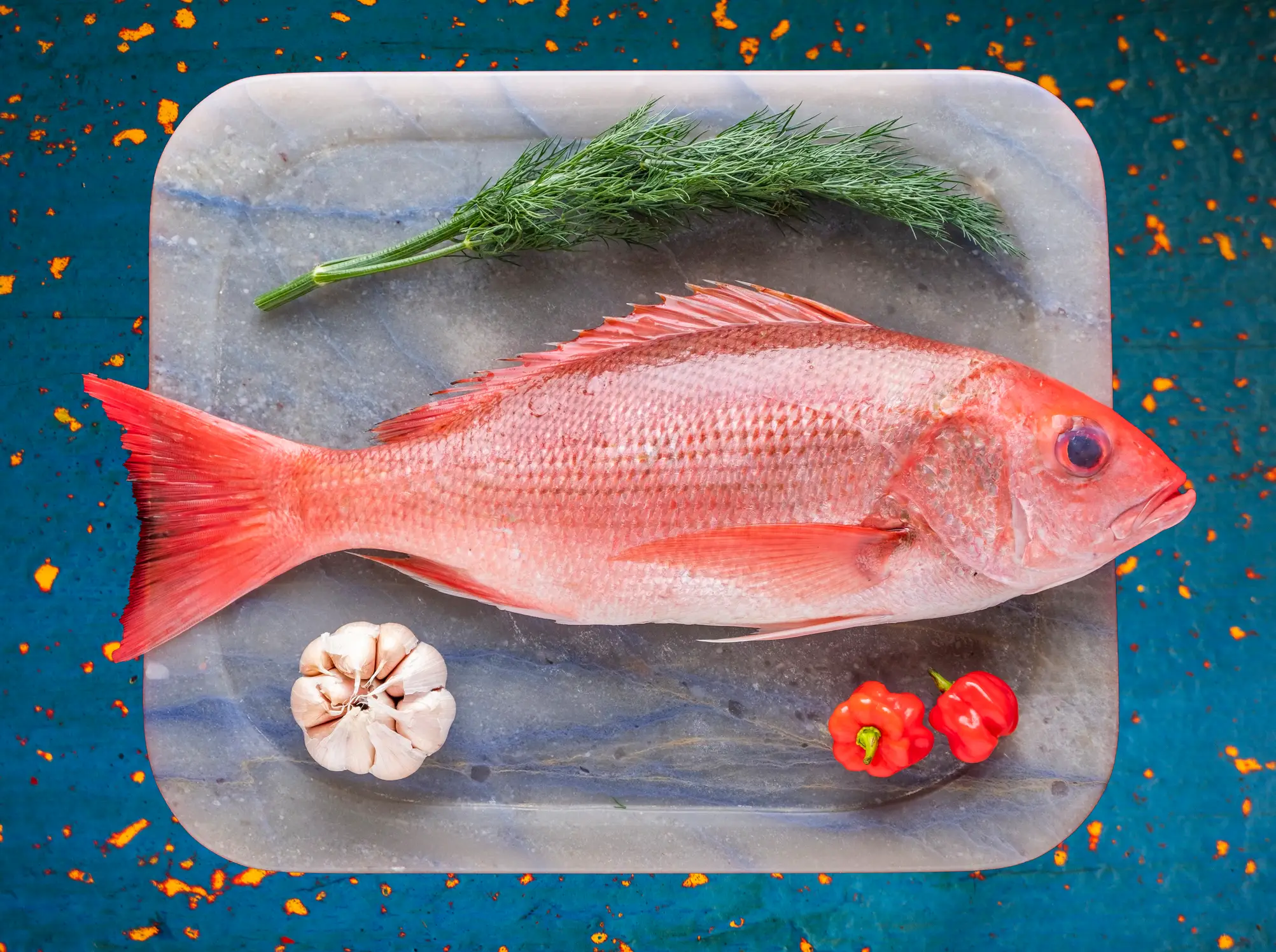
Starting the top 10 is snapper with a score of 69. Rich in omega-3 fatty acids, selenium and vitamins D and E, it comes with a reminder that nutrition is about balance, as some snapper can contain toxins such as mercury and ciguatera.
9. Beet greens — Score: 70/100
Often discarded, beet greens score 70 thanks to their calcium, iron and B vitamins, particularly riboflavin. Nutritionally, they punch well above their weight and highlight how often the most useful foods are hiding in plain sight.
8. Pork fat — Score: 73/100
Perhaps the most surprising entry, pork fat lands next with a score of 73. Its position doesn’t suggest free rein, but reflects its higher proportion of unsaturated fat compared with lamb or beef, alongside useful amounts of B vitamins and minerals.
7. Swiss chard — Score: 78/100
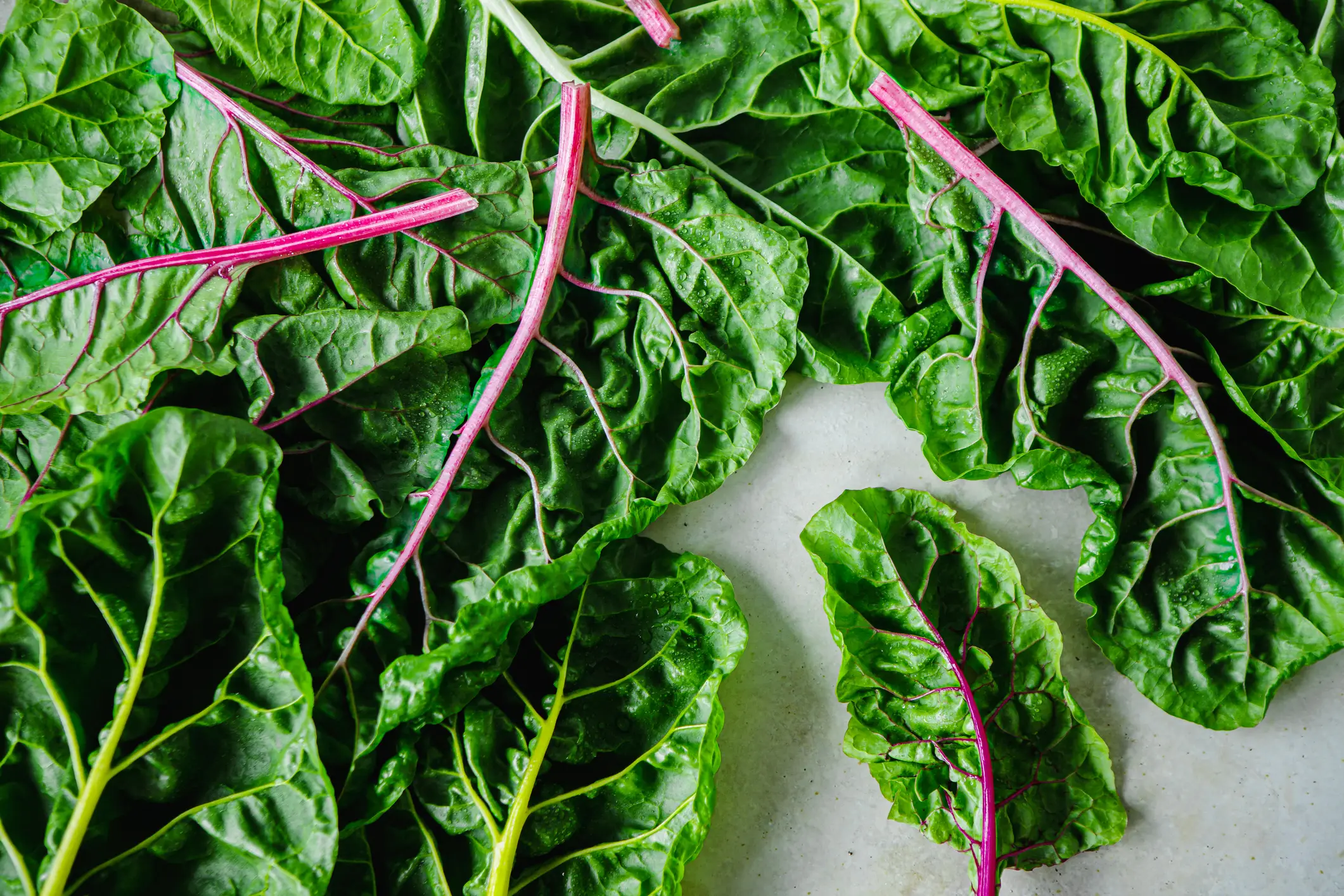
Ranking next with 78, Swiss chard brings leafy greens into the mix. It’s packed with antioxidants, nitrates and vitamins A, C, K and E, with vitamin K playing a particularly important role in blood clotting and bone health.
6. Pumpkin seeds — Score: 84/100
Pumpkin seeds follow with a score of 84. Often overlooked, they’re one of the best plant-based sources of iron and manganese — minerals essential for oxygen transport, energy production and overall metabolic health.
5. Chia seeds — Score: 85/100
Sharing the 85-point mark, chia seeds prove that small foods can still make a big impact. They’re rich in fibre, protein and a-linolenic acid, along with phenolic compounds and caffeic acid, an antioxidant linked to reduced inflammation in the body.
4. Flatfish — Score: 85/100
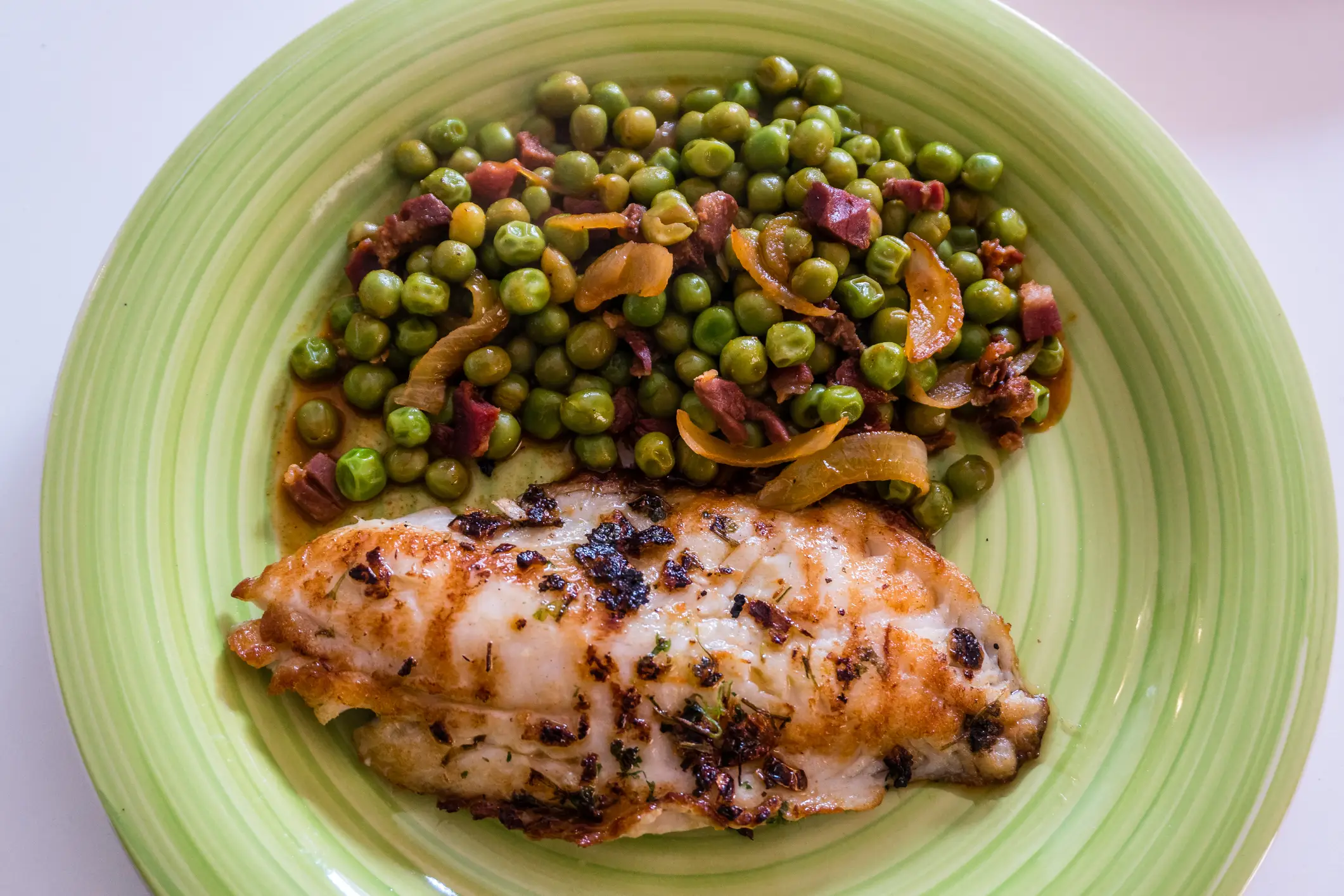
Also scoring 85, flatfish such as plaice, sole, turbot and halibut follow closely behind. Generally low in mercury, they provide omega-3 fatty acids alongside vitamins D and B1, supporting cardiovascular health, brain function, and healthy bones.
3. Ocean perch — Score: 89/100
At number three with a score of 89, ocean perch, sometimes sold as rockfish, stands out for being low in saturated fat while delivering vitamin B12, vitamin D, selenium and phosphorus. These nutrients play key roles in nerve health, bone strength and energy metabolism, making it one of the strongest fish on the list.
2. Cherimoya — Score: 96/100
Scoring 96 out of 100, cherimoya earns the title of the ‘world’s healthiest fruit’ according to this ranking. Beneath its knobbly green skin is a creamy, custard-like flesh that’s ‘loaded with antioxidants’ and ‘rich in fibre, vitamins, and minerals’. It’s also noted for its vitamin B6 content, though experts warn that 'certain parts of cherimoya contain toxins that may damage your nervous system if consumed in high amounts'.
1. Almonds — Score: 97/100
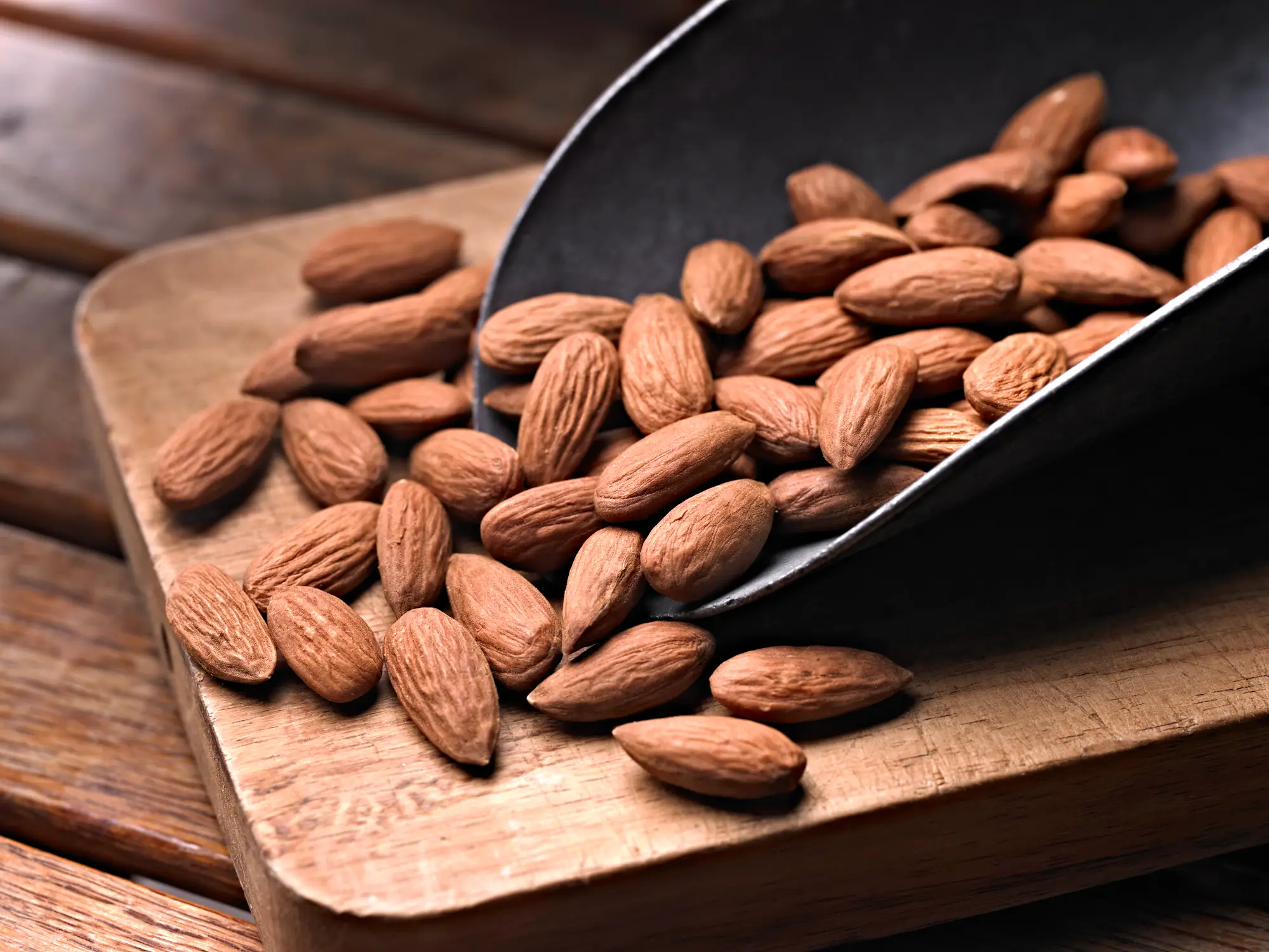
Almonds take the top spot thanks to their ability to deliver healthy fats, vitamin E, fibre and minerals in a way that complements other foods on your plate. They’re filling, versatile and don’t overload the diet with nutrients we already tend to consume in excess, making them a quietly powerful everyday choice.
 Ben Williams