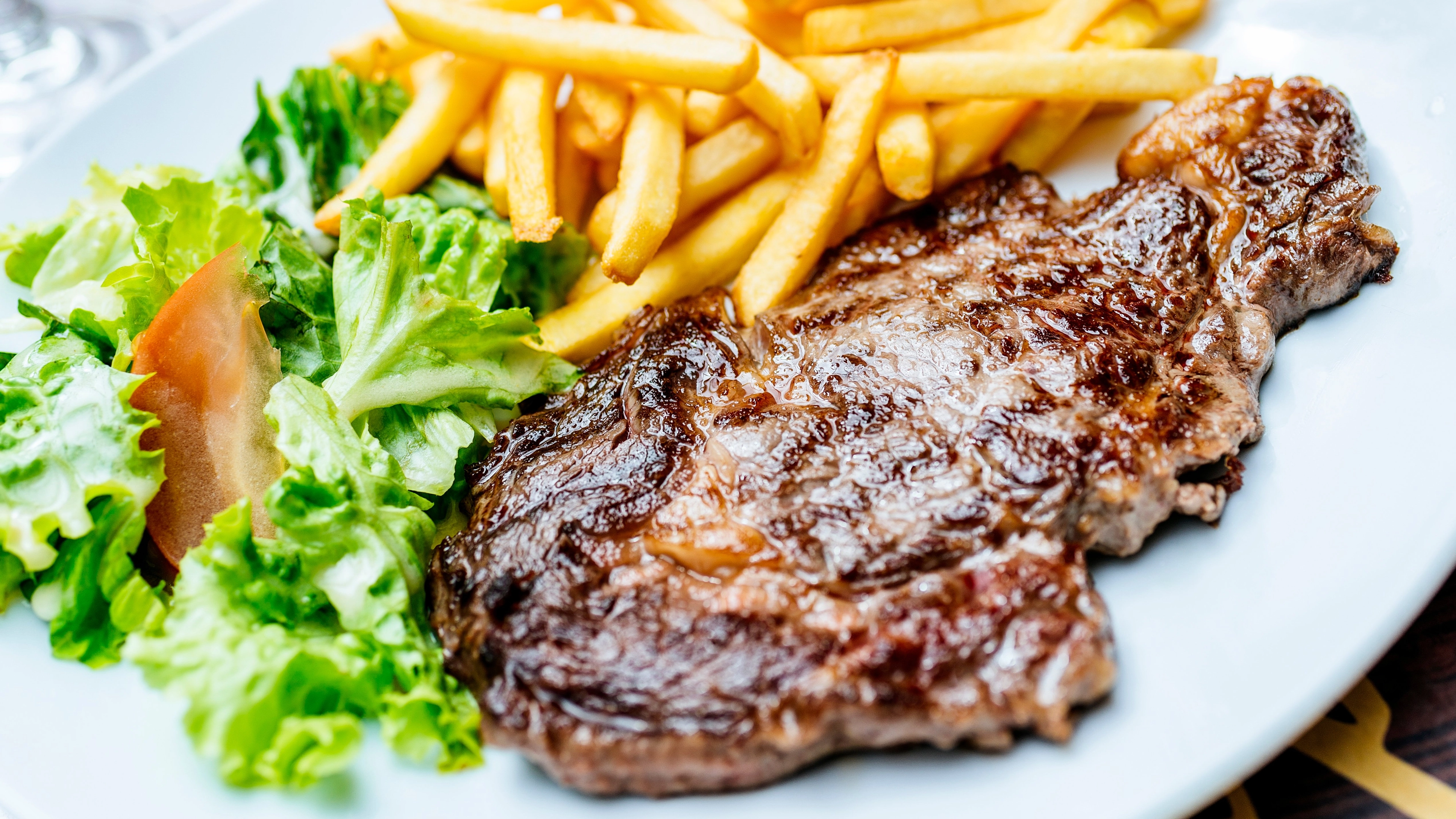
Harvard experts reveal 5 foods that 'cause inflammation'

Navigating nutrition can be a nightmare, with so much contradictory information and expert advice available at your fingertips.
If one of your new year’s resolutions was to take control of your health and implement better routines, then you may want to hear what doctors, and dieticians have to say about prioritising anti-inflammatory foods.
What inflammation actually is
The Cleveland Clinic describes inflammation as your body’s response to irritants, including germs, foreign objects, or certain foods.
Chemicals and plant pollen can trigger off the process too.
Advert
Serious health issues, such as heart disease also associated with excess inflammation, as are certain cancers, autoimmune disorders, and respiratory diseases.

Symptoms include discoloured or flushed skin, pain or tenderness, swelling, and skin that feels hot to the touch.
Foods that cause inflammation
Research suggests that processed meats, foods high in saturated fat and sugary drinks can promote inflammation, as per the British Heart Foundation.
These foods, often dubbed as ‘unhealthy’ by experts, are associated with an increased risk for chronic diseases such as type 2 diabetes.
Experts from Harvard Medical School state that there are five main foods that cause inflammation and that these should be limited as much as possible.
They are:
- Refined carbohydrates, such as white bread and commercial baked goods
- Fried foods, such as fries and chicken burgers
- Fizzy drinks and other sugar-sweetened beverages
- Red meats, including steak, burgers, and processed meats such as ham and sausages
- Margarine, shortening, and lard

Microwave popcorn, refrigerated biscuits, and nondairy coffee creamers are also on the inflammation-causing food list, as are pastas made with white flour, canned tea drinks, and beverages marketed as sports enhancers.
Anti-inflammatory foods
"Many experimental studies have shown that components of foods or beverages may have anti-inflammatory effects," says Dr. Frank Hu, professor of nutrition and epidemiology in the Department of Nutrition at the Harvard School of Public Health.
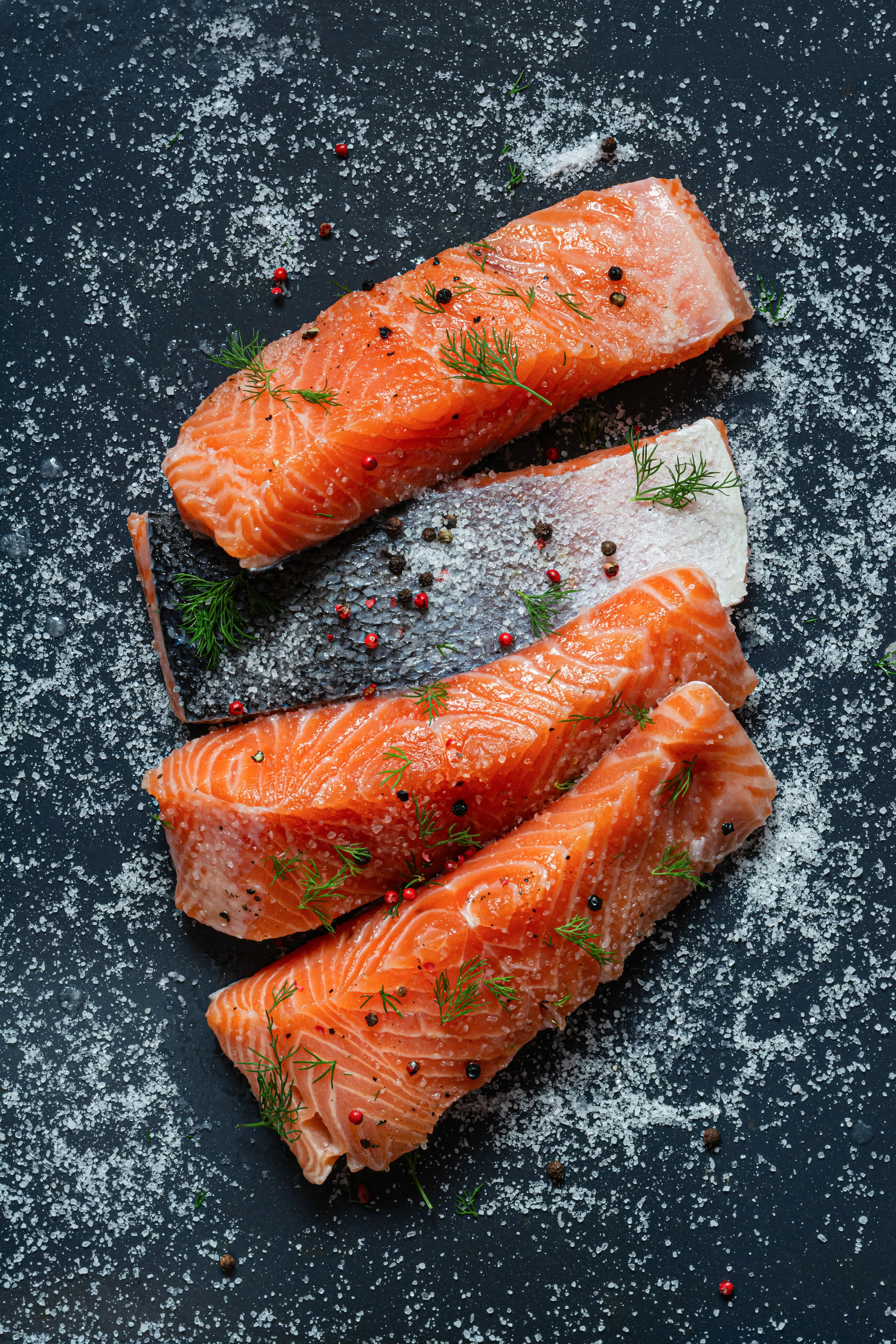
These include fatty fish such as salmon and mackerel, which contain Omega-3 fatty acids, as well as citrus fruits and bell peppers, which are both packed with vitamin C.
John Hopkins Medicine made a case for consuming polyphenols, which can be found in coffee, tea, and dark chocolate, as well as Jerusalem artichokes, bananas and chicory, which all contain prebiotics.
Other anti-inflammatory products include almond and walnuts, green leafy vegetables, tomatoes, and olive oil.
Benefits of anti-inflammatory diet
If you begin actively eating anti-inflammatory foods then you may be able to reap a myriad of benefits.
“Chronic inflammation is thought to be at the root of a number of diseases. It is like a smoldering fire inside of your body,” Nancy Park, a registered dietitian nutritionist told Henry Ford Health.
“The risk of heart disease, obesity, inflammatory bowel diseases, arthritis, Alzheimer’s, psoriasis, and more could be reduced with an anti-inflammatory diet, as the nutrients in these foods contain properties known to ease inflammation.”
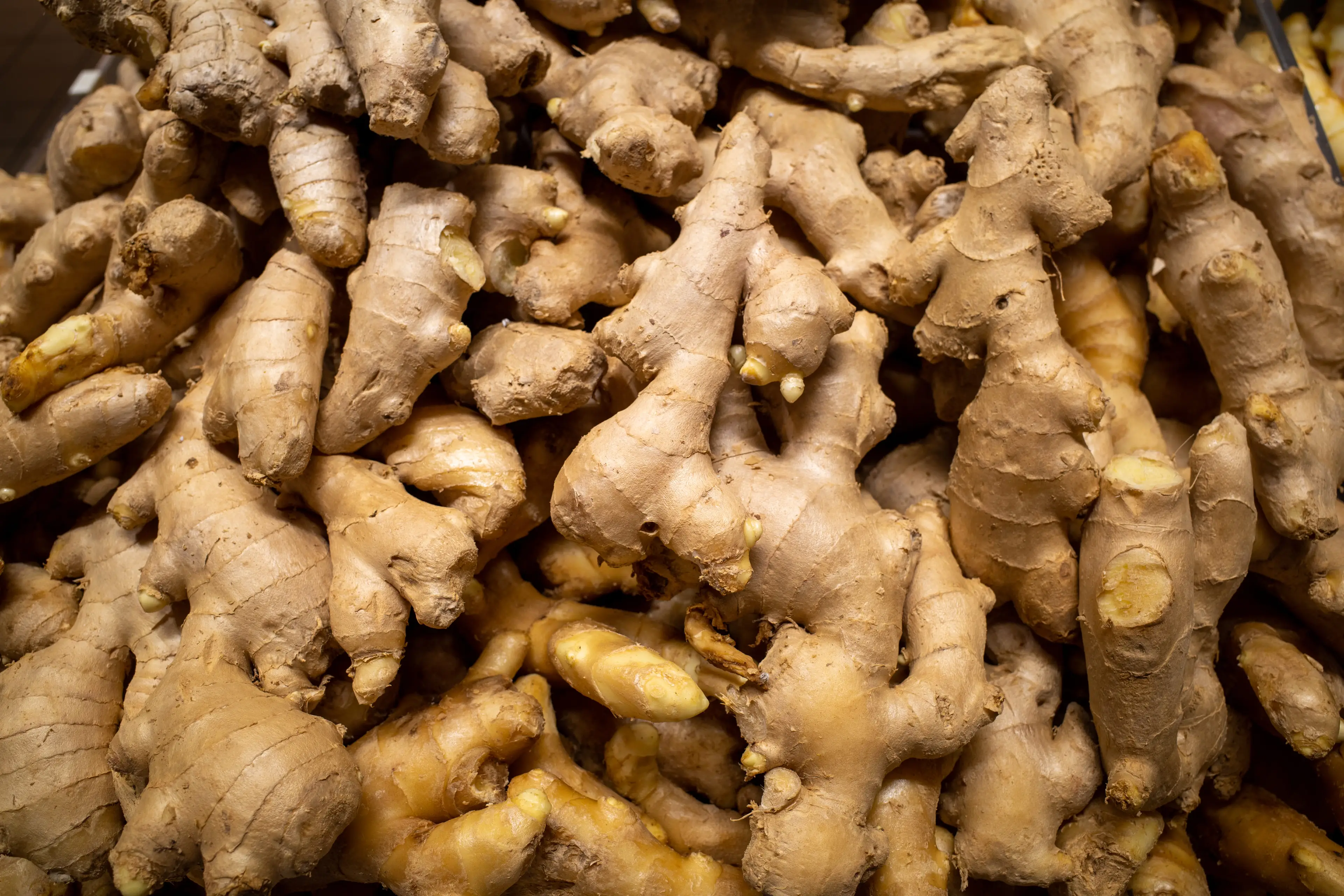
She also reasoned that eating things like fresh herbs and spices may lead to a longer life, and even slow the aging process.
Park’s comments are backed up by a 2023 study published in the popular Nature journal, with scientists suggesting that the elimination of inflammation from a person’s body could be a potential strategy for delaying the inevitable.
Other benefits include lowering cholesterol, which help to prevent artery narrowing and plaque buildup around important organs, clearer skin, and decreased muscle or joint pain,
 Ella Scott