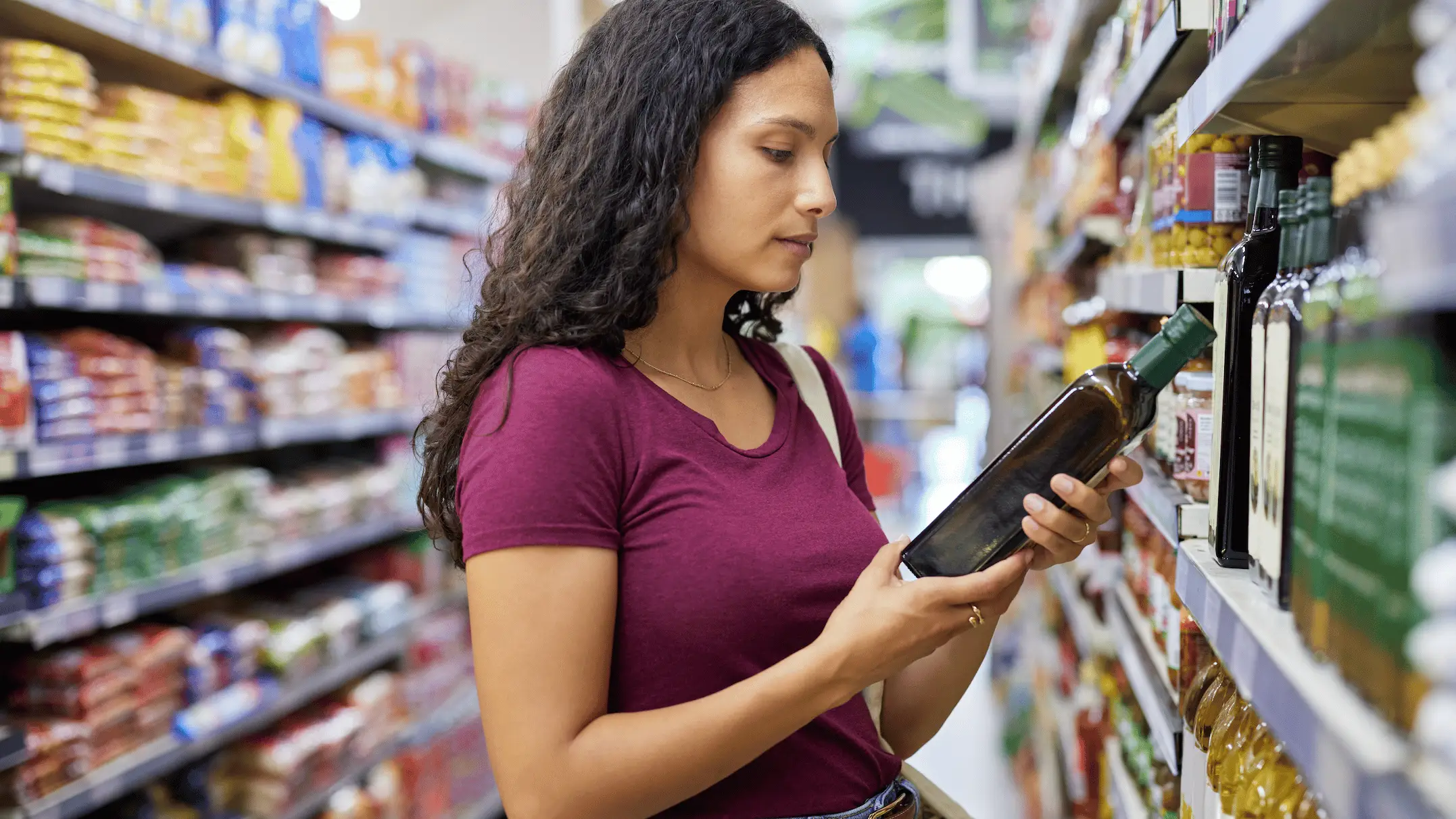
Expert shares label you should look out for on all olive oil bottles

 Ella Scott
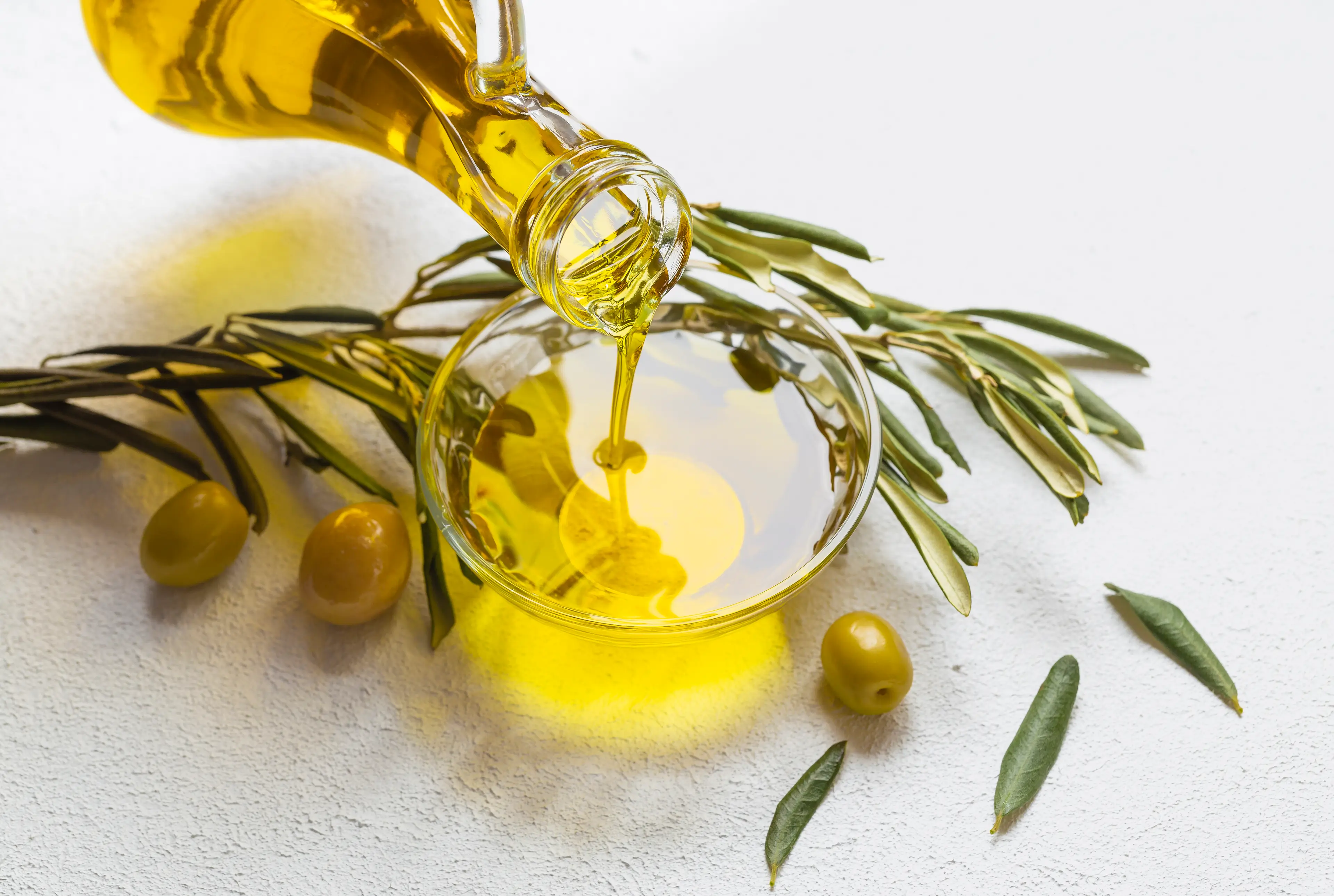
The Mediterranean diet prioritises minimally processed plant-based foods, oily fish, and healthy fats, specifically extra virgin olive oil - and now an expert has explained how to know you’re picking up a bottle of the good stuff.
Various studies suggest that consuming extra olive oil on a regular basis can have a myriad of positive effects on our health.
These include, but are not limited to, preventing strokes, protecting against heart disease, and possibly fighting Alzheimer’s disease.
Containing significant amounts of vitamin E and vitamin K, extra virgin olive oil is loaded with oleic acid, a naturally occurring monounsaturated fat known for its cholesterol-lowering properties.
Advert
However, like most foods, not all bottles of extra virgin olive oil are created equally. It can be difficult to know the difference between £5 and £20 products, and if latter is really worth forking out for.
Introducing Jordan Haworth, a gut health physiologist working at the Functional Gut Clinic, who also posts informative health tidbits on social media.
According to The Express, the content creator, known as Mr Gut Health, has explained the three steps you should take before buying extra virgin olive oil in a supermarket.
The first thing to work out is whether or not the oil is ‘extra virgin oil’.
"If it says extra virgin, then it's pretty much guaranteed,” he said, as per the publication.
For olive oil to be legally classed as ‘extra virgin’, it must contain no more than 0.8 percent acidity, as per Olivado.
No chemicals should be used in the extraction method, and instead, only machinery is used to squeeze out the oil.
The temperature is also kept low, ensuring the essential nutrients and minerals are not boiled away, the site stated.
Like coffee, some extra virgin olive oils are sourced from one territory. Others come from various countries and may be composed of different olive varieties.
Both are considered ‘fine’, according to Mr Gut Health.
However, it’s important to keep in mind that single-origin olive oils are generally considered to be of better quality due to the traceability of the ingredients, wrote the Tasting Table.
Both blended and single-origin olive oils can be brilliant, as there’s no difference in the way the oil is extracted from the olives, the publication added.
It’s also worth checking if your oil is certified by the International Olive Council - that way, you know what you are purchasing is legit.
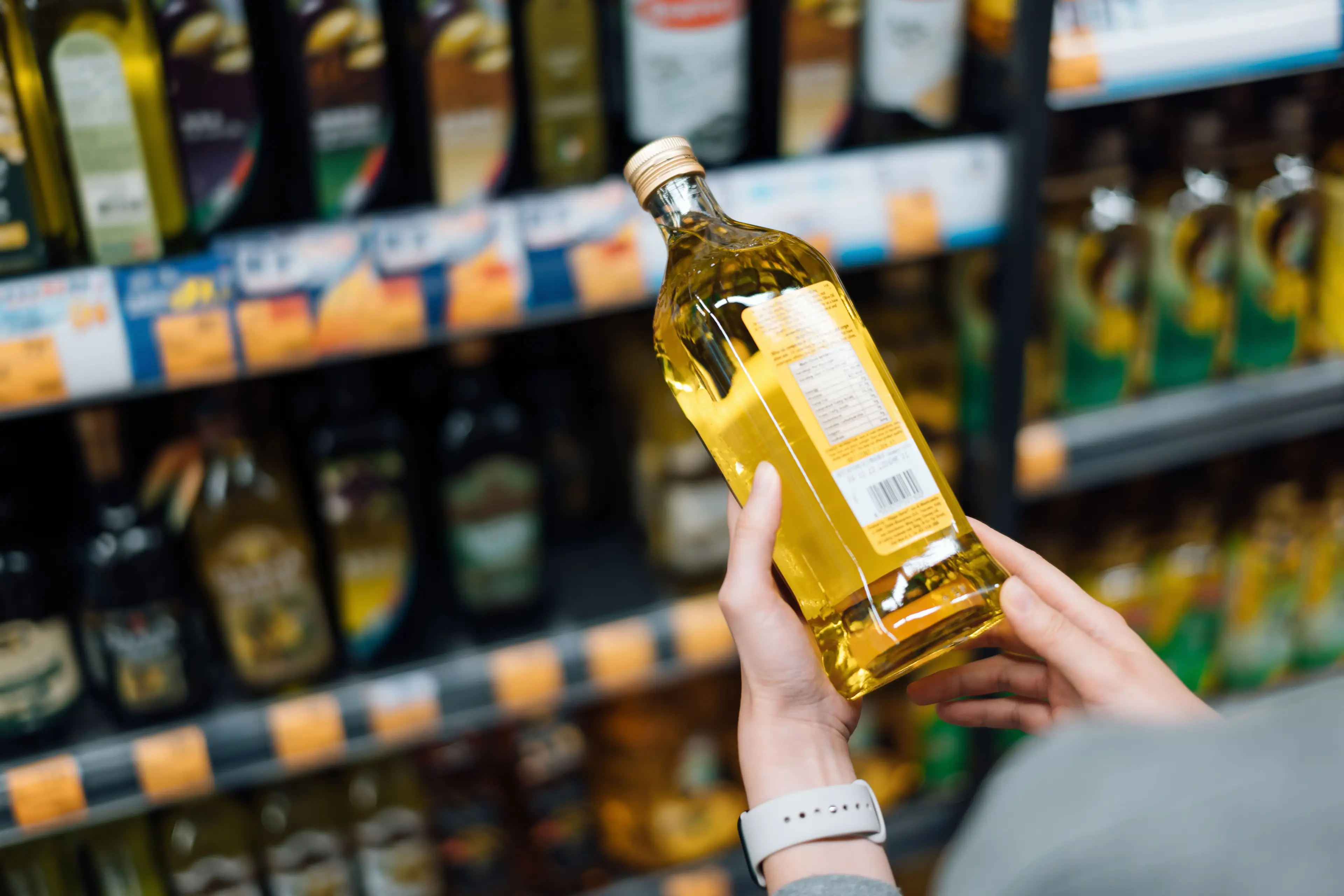
Next time you’re running to your local grocery store to pick up extra virgin olive oil, pick it off the shelf and turn the bottle over.
On the label, it should say: "Superior category olive oil obtained directly from olives and solely by mechanical means,” Haworth said, according to The Express.
"This ensures that the oil has been extracted properly to preserve its nutrients. And FYI, you can cook with EVOO [extra virgin olive oil], and it's much healthier to use than butter or tallow."
Happy buying!