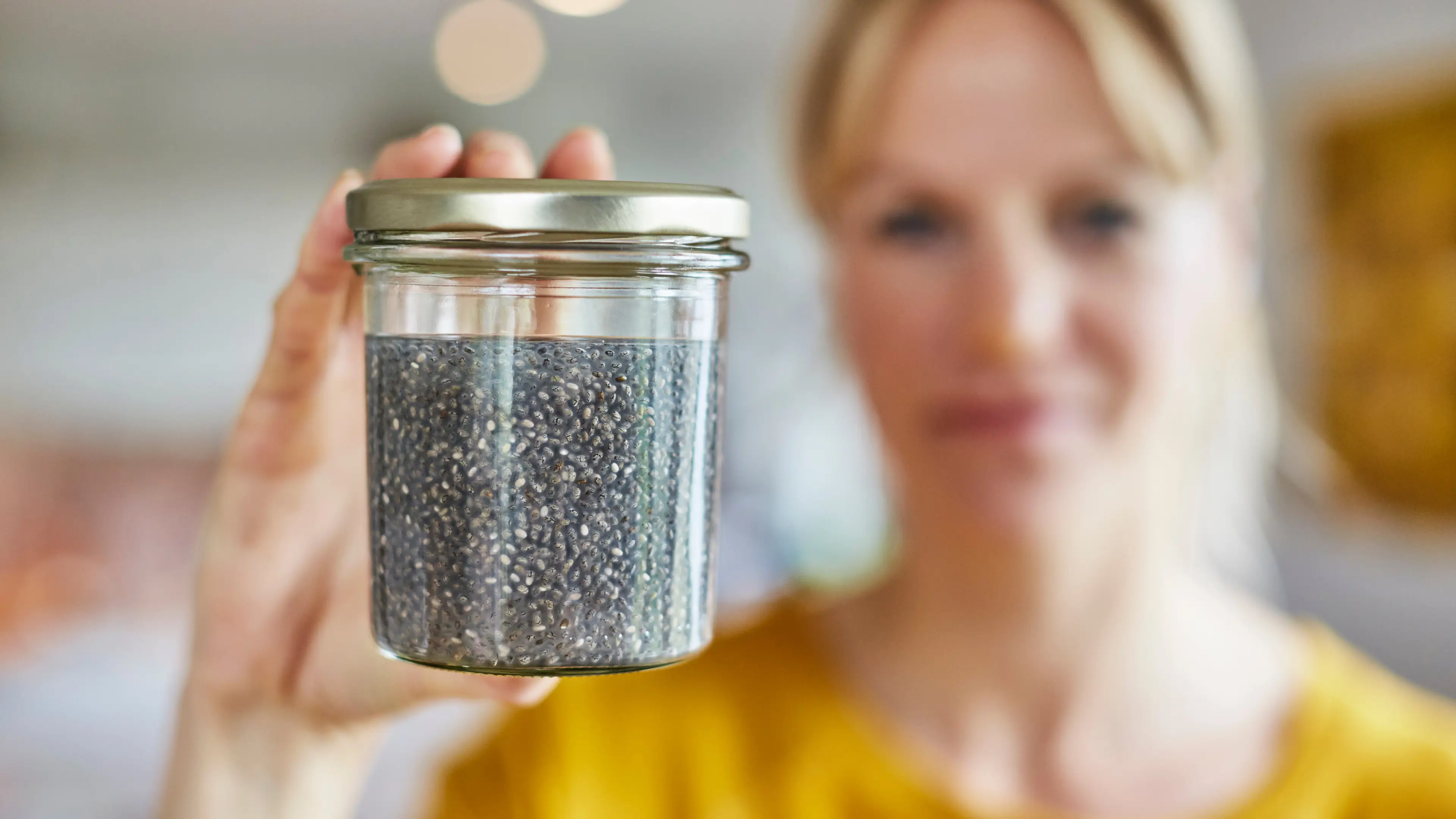
Warning over how chia seeds can interact with your medicine

Chia seeds, often touted as a ‘superfood’ by health experts and wellness gurus, are famed for their intense fibre content, as well as being high in omega-3 fatty acids and antioxidants.
Alongside supporting digestion and gut health, the plant-based protein can help manage appetite and reduce cravings due to absorbing up to 12 times its weight.
While you may be immediately swayed to start snacking on chia pudding or dunking these seeds in lemon water to re-create the viral ‘internal shower’, you may want to pause and exercise caution.
According to experts, the calcium-rich product may have the ability to interfere with a variety of medications, which could spell serious disaster.
Blood pressure pills
According to EatingWell, the antioxidants and peptides in chia seeds may decrease blood pressure and promote heart health.
Advert
If you pair them with your antihypertensive medications, then you could see blood pressure decreasing much more than expected.
However, experts at Healthline warned that enhancing pills’ activity could lead to hypotension, with symptoms including dizziness, fatigue, and fainting.
Be sure to contact your health provider before you start digging into chia seeds on the regular.
Anticoagulant and Antiplatelet meds
People at risk of blood clots are likely to be prescribed anticoagulants like Warfarin or Rivaroxaban.
Meanwhile, antiplatelet drugs are designed to decrease platelet aggregation and inhibit thrombus formation in the arterial circulation, as per the BNF.
Interestingly, chia seeds have antiplatelet properties, preventing clots from entering the bloodstream, as per a 2022 study published in Food Science & Nutrition.
Additionally, anyone taking blood thinners should be cautious about adding chia seeds to a daily routine, as they may increase the risk of bleeding.
Diabetes Medications
The National Institutes of Health estimates that more than 37 million Americans have diabetes, with up to 95 percent having type 2.
If you’re someone who uses diabetes medications, such as metformin or insulin, then you may want to limit how many chia seeds you are eating.
This is because snacks containing chia can lower blood sugar levels too much.
“If you’re new to chia seeds and are on insulin, consult your physician, as you may need to adjust your dosage,” said Robert Raham, a board-certified internal and integrative medicine physician and founder of Fresh Medicine.
Medication absorption
Chia seeds are notably high in fibre—a nutrient with the ability to slow down the absorption of certain medications, including thyroid drugs, antidepressants, and epilepsy drugs.
What’s more, Harvard Health wrote that if there’s lots of fibre in medication in the intestine at the same time, the medication may get swept along with the fibre, so it will be excreted instead of being fully absorbed.
The experts advised that you should take your medications at least two to three hours before or after consuming chia seeds.
 Ella Scott