
Scientists warn popular diet may actually raise your risk of heart disease

Healthy living recommendations state you should eat a balanced diet consisting of carbohydrates, protein, fats, and ample portions of fruit and vegetables.
However, those hoping to lose weight may be tempted to subvert advice and seek out low-carb diets, such as keto or former NFL star Tom Brady’s TB12 diet, due to reported benefits such as mitigating the risk of developing type 2 diabetes, metabolic syndrome, and possibly lowering blood pressure.
Interestingly, these low-carb meal plans may not be as good for you as first thought, with Harvard researchers stating there could be serious side effects to severely limiting carbohydrates.
The proclamation has recently been made following the publication of a study, titled ‘Effect of Low-Carbohydrate and Low-Fat Diets on Metabolomic Indices and Coronary Heart Disease in U.S. Individuals’ in the Journal of the American College of Cardiology.
Advert

The paper is the result of experts surveying data and health outcomes of some 200,000 health professionals over the course of 30 years.
They also took blood samples of more than 11,000 participants to measure metabolomics, the small molecules in cells and tissues.
What the scientists discovered was that people who consumed a low amount of carbs were 14 percent more likely to develop heart disease than those who regularly consumed unhealthy or refined carbs.
It was noted that if healthy carbs (such as whole grains) were consumed then the risk would drop by 15 percent.
Zhiyuan Wu, a postdoctoral research fellow at Harvard University’s Department of Nutrition and coauthor of the study, told National Geographic that the central message of the study is to show that ‘diet quality matters more’ than simply cutting out carbs.
But that doesn’t mean that a low-carb diet is automatically bad for you.
In fact, the experts suggested that anyone who eats a healthier version - IE. lots of fruits and vegetables - are likely to have high levels of good cholesterol and low levels of triglycerides, which are produced when our body has reached a healthy caloric limit.
As well as looking into the effect low-card diets can have, the Harvard experts found that the body finds it difficult to metabolise trans and saturated fats.
On the flip side, high-quality, healthy fats like an avocados or nuts are easy for the body to break down to use for energy.
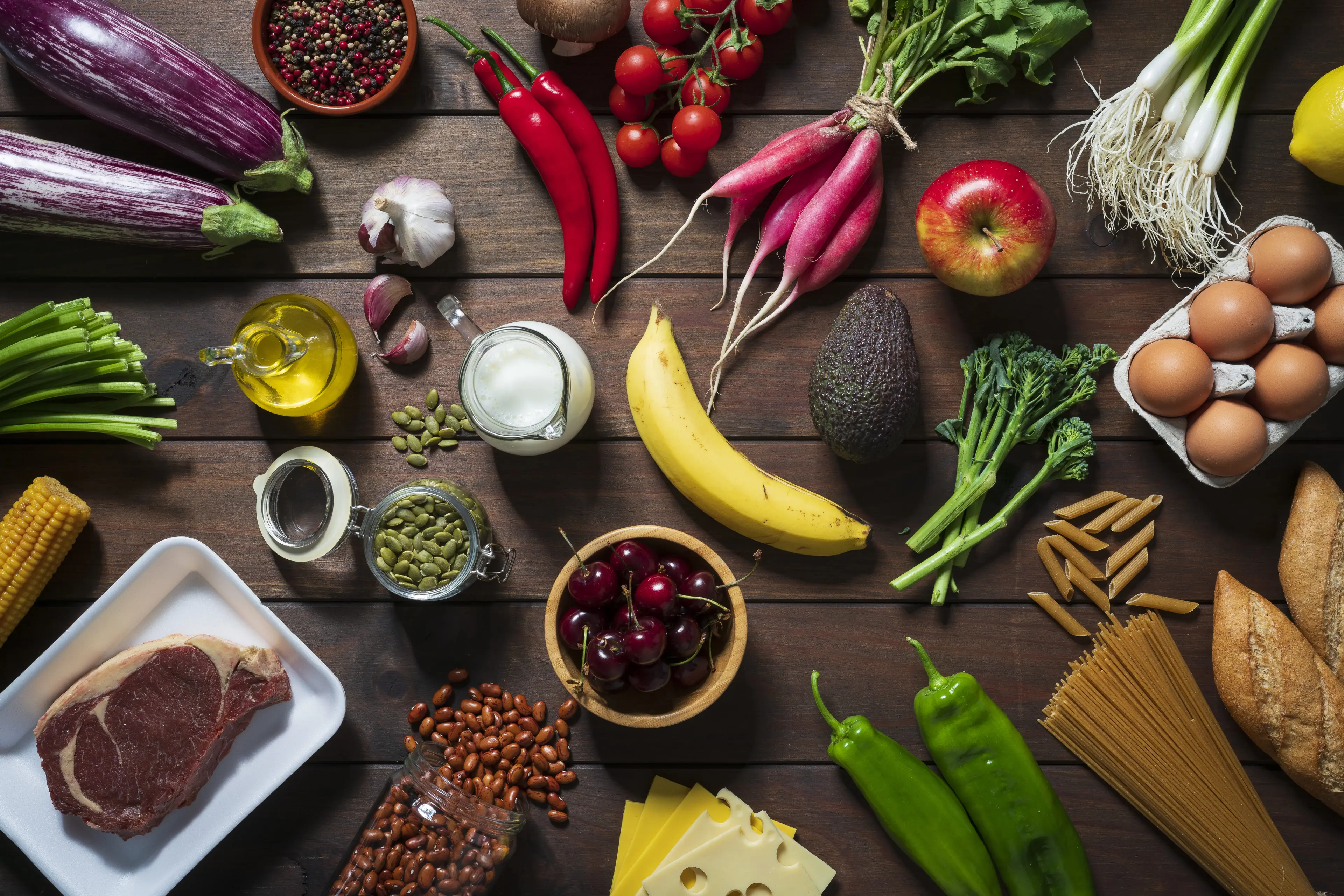
The paper also suggested that they keep you full for a longer period of time.
“Fats are the most amazing macronutrients ever,” claimed Camilla Dalby Hansen, a researcher at the University of Southern Denmark, Odense.
The academic, who was not part of the study, told the outlet: “They protect your brain health, your hormone function, your skin. They are also cardio-protective, [clearing] your arteries from the debris.”
Healthy daily carb intake
According to the West Suffolk NHS Foundation Trust, a moderate carbohydrate diet contains 130-225g of carbohydrates.
This weight should be split across three regular meals, with each one containing 50g to 60g of good-quality carbs.
As a general rule, a portion size should be about the size of your fist, as per The Association of UK Dietitians.
However, this can be adjusted depending on your activity levels, with active people needing more fuel than those who spend the majority of the day sedentary.
 Ella Scott