
Scientists warn popular drink 'significantly increases' risk of blindness

For many people, a morning coffee is a daily necessity: a small ritual that helps start the day. Yet new research suggests that not all coffee is created equal, and one particular type could pose unexpected risks to long-term eye health.
Coffee has often been celebrated for its potential health benefits, with previous studies linking regular consumption to reduced risks of liver disease, cardiovascular problems, and certain cancers. However, scientists are now warning that one popular form of coffee may have the opposite effect when it comes to vision, and the findings are difficult to ignore.
According to new research published in Food Science & Nutrition, instant coffee ‘significantly increases the risk’ of developing age-related macular degeneration (AMD), a progressive eye disease that can lead to permanent vision loss and, in severe cases, blindness.

Advert
Researchers examined the effects of ground, decaffeinated, and instant coffee on the likelihood of developing AMD and found that the latter is the one that actually bolsters your odds of developing the condition. The study further noted that ‘only instant coffee consumption had a statistically significant association with dry AMD’, making it the outlier.
This result stands in contrast to earlier studies suggesting that coffee might reduce the risk of macular degeneration.
The researchers explained: “We speculate that the different effects of various types of coffee on AMD may be related to manufacturing processes, additives, and other factors…the production of instant coffee may lead to the formation of potentially harmful substances.”
The data indicated that for each standard deviation increase in instant coffee intake, there was an almost sevenfold rise in the risk of developing dry AMD. The disease affects the macula - the central portion of the retina responsible for detailed and colour vision - and is a leading cause of irreversible blindness in adults over 50.
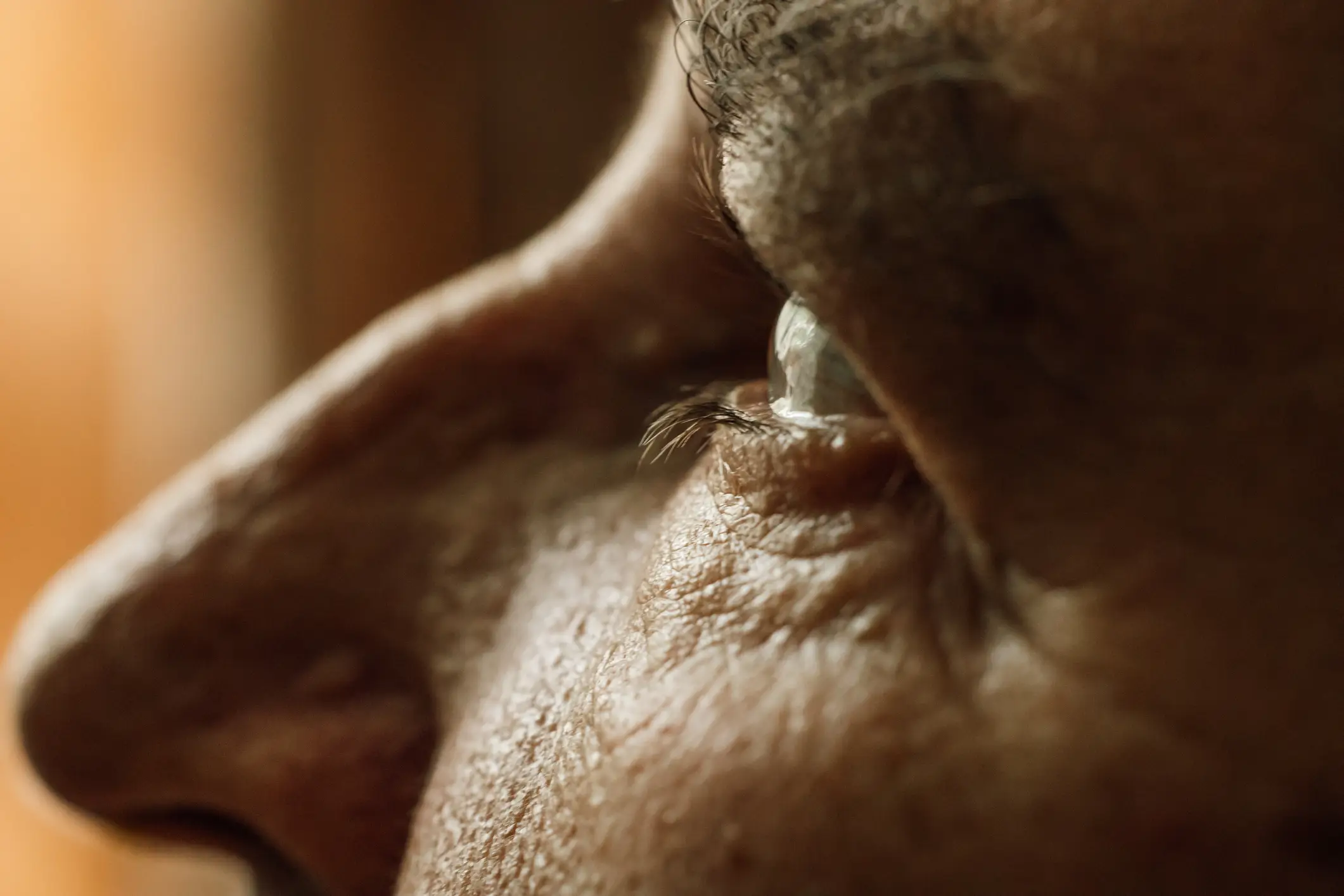
There are two forms of AMD: wet and dry. Dry AMD, which accounts for around 90 percent of all cases, progresses gradually as protein deposits build up under the retina, leading to central vision loss. Once this vision is lost, it cannot be restored.
Given the findings, the researchers cautioned that 'people at high‐risk for AMD should avoid instant coffee intake'. Individuals with risk factors such as smoking, high blood pressure, obesity, or a family history of macular degeneration are encouraged to be particularly mindful.
Instant coffee may be the most convenient option for some morning caffeine, but this new evidence suggests that the health costs definitely aren’t worth the time you save from brewing it yourself.
 Ben Williams