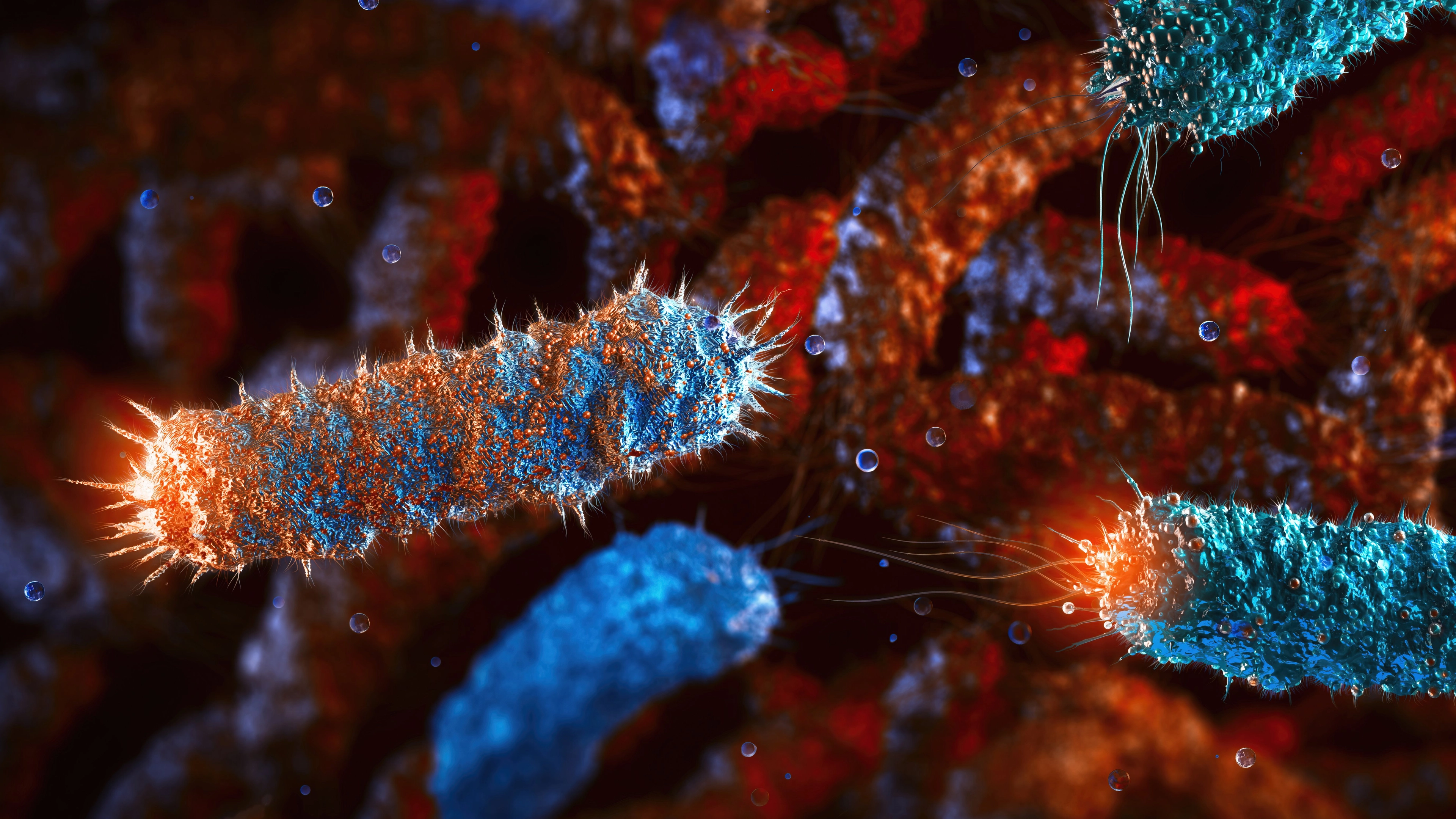
Warning over 6 foods amid decade-high salmonella outbreak in UK

With Salmonella and Campylobacter cases on the rise in Britain, experts have issued warnings about six of the highest-risk foods on the market, including proteins, raw dairy, and a popular breakfast staple.
On Thursday (28 May), the UK Health Security Agency (UKHSA) published worrying data suggesting England is experiencing the highest level of Salmonella and Campylobacter cases in a decade.
In 2025, laboratory-confirmed Salmonella cases slightly increased from 10,389 in 2024 to 10,406.
Food Standards Scotland describes Salmonella as a type of infection that is commonly spread by contaminated food or water.
Advert
Symptoms of food poisoning include nausea, vomiting and diarrhoea, with the issues manifesting between 12 and 72 hours after becoming infected.
Meanwhile, Campylobacter cases fell slightly from 70,392 in 2024 to 69,394 in 2025.
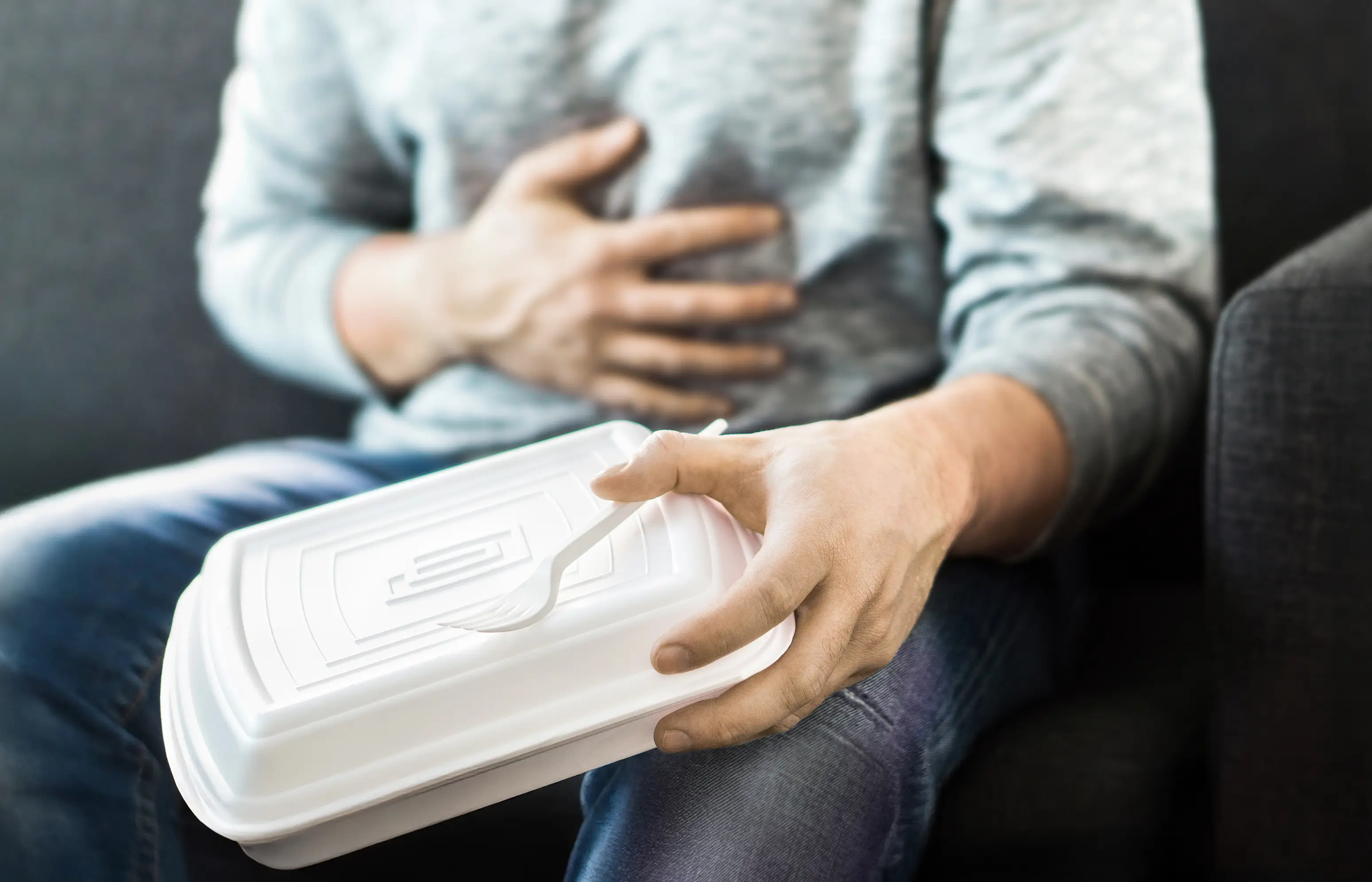
Campylobacter, a germ that lives harmlessly in the gut of many animals & birds, can infect the gut of humans for around one week following exposure.
The World Health Organisation (WHO) categorises Campylobacter as one of the four key global causes of diarrhoeal diseases and considers it the most common bacterial cause of human gastroenteritis in the world.
While infections are mild, it’s possible that illness can be fatal among young children, the elderly, and immunosuppressed individuals.
“We are seeing consistently high levels of gastrointestinal infections in England. These infections spread in many ways – through contaminated food or water, contact with an infected person or contact with infected animals or their environment,” said Dr Gauri Godbole, the UKHSA’s deputy director for gastrointestinal infections.
In an attempt to stop the swell, the UK government confirmed the six foods that are most likely to be contaminated with Campylobacter and Salmonella.
Poultry and eggs
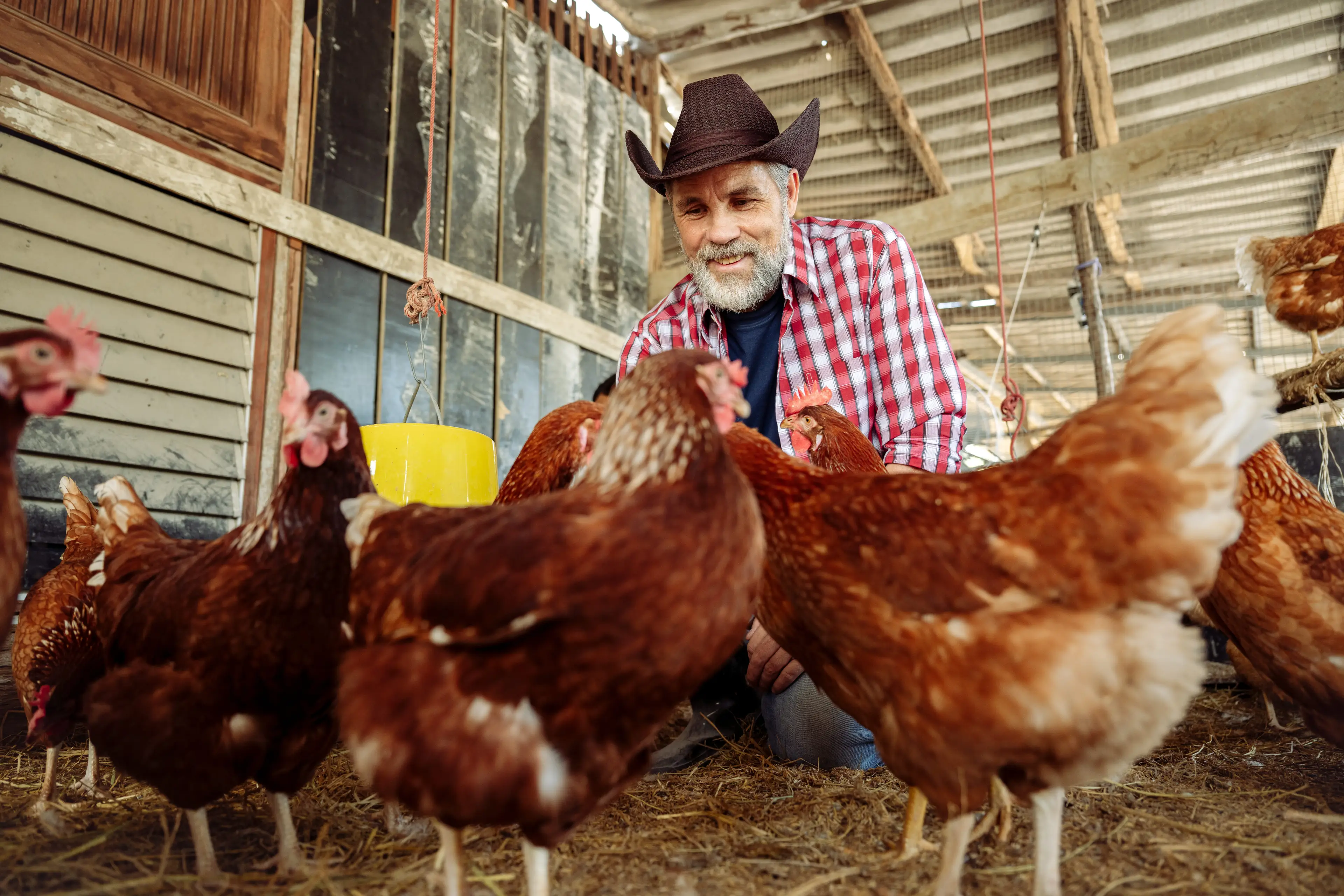
The first is poultry, as chickens and other live animals can carry the bacteria and spread from the birds to their eggs.
Make sure to heat poultry, including chicken breast, to 70°C for at least two minutes to destroy Salmonella and ensure all meat is thoroughly cooked before serving, the NHS stated.
Anyone who eats raw or undercooked eggs runs the risk of getting sick and experiencing symptoms such as stomach cramps and fever.
To reduce the chance of getting sick from eggs, you should discard cracked eggs, buy eggs from stores and suppliers that keep the products refrigerated, and use soap and water to wash hands and items that come into contact with raw eggs, inclduing countertops, utensils, and cutting boards.
Meat

Beef, pork and lamb can all carry Salmonella, particularly from contamination during slaughter or in processing.
Be sure to store raw meat away from other foods in your refrigerator and use different chopping boards and knives when preparing the produce and other groceries, such as fruit and vegetables.
Ensure it is cooked all the way through before chowing down, said Colin Sullivan, Chief Operating Officer at the Food Standards Agency.
Raw fruit and vegetables
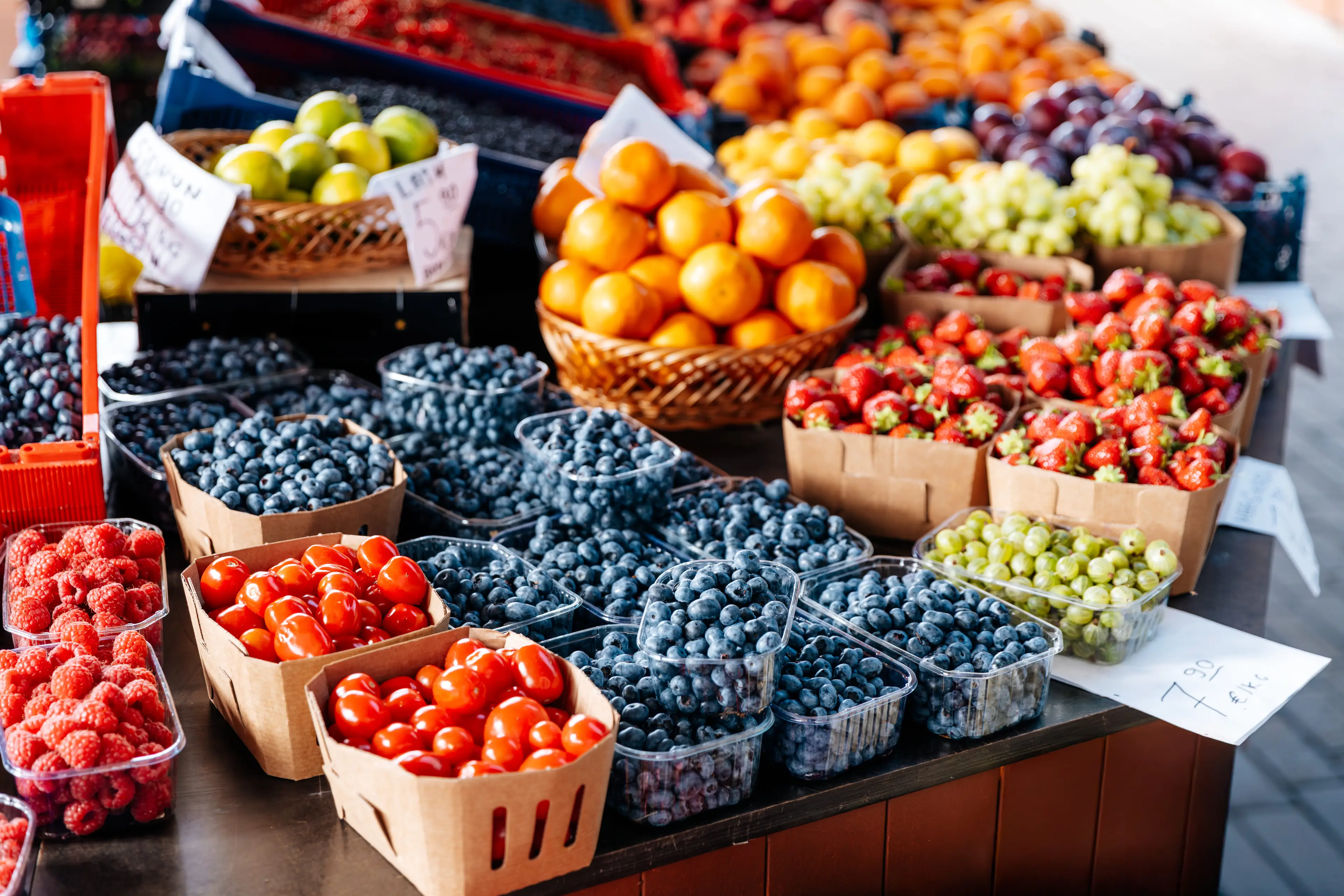
Fresh fruit and vegetables are a source of Salmonella contamination through contact with soil, manure, compost, and water, as per a study published in the Annals of Agricultural and Environmental Medicine journal.
Contamination may also occur in the kitchen when raw meat juices and poultry come into contact with salad staples like cucumbers, peppers, and smoothie favourites such as bananas, as per the Mayo Clinic.
Experts advise washing your salad leaves under cold, running tap water before preparing and rinsing your fruit before peeling as bacteria can easily transfer from the knife blade to the flesh of the fruit.
Unpasteurised milk products
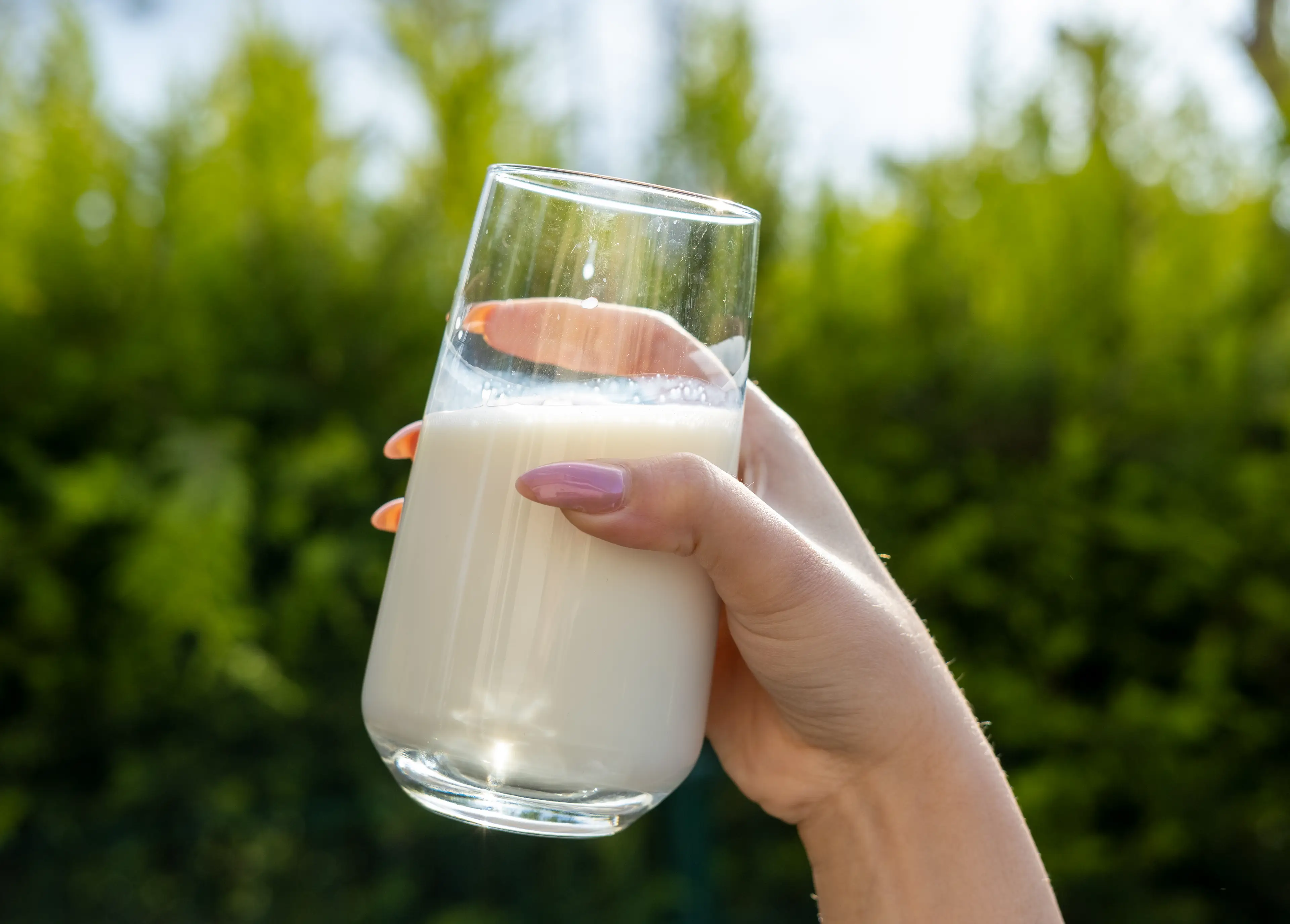
Raw milk, also known as unpasteurised milk, is dairy that has not been heated to kill pathogens, infectious microorganisms that are capable of secreting toxins that can damage tissues.
Because of this, raw milk can easily carry dangerous bacteria such as Salmonella, E. coli, Listeria, and Campylobacter.
“In terms of food safety, from a microbiological point of view, drinking raw milk is not safe", says Dr Jorge Gutierrez-Merino, a lecturer in food microbiology at the University of Surrey, told the BBC.
The only way to eliminate Salmonella from unpasteurised milk products is to boil it or go through the process of home pasteurising before consumption.
The UK Food Standards Agency advised vulnerable groups, such as those with weakened immune systems, pregnant women, and children avoid raw milk entirely.
 Ella Scott