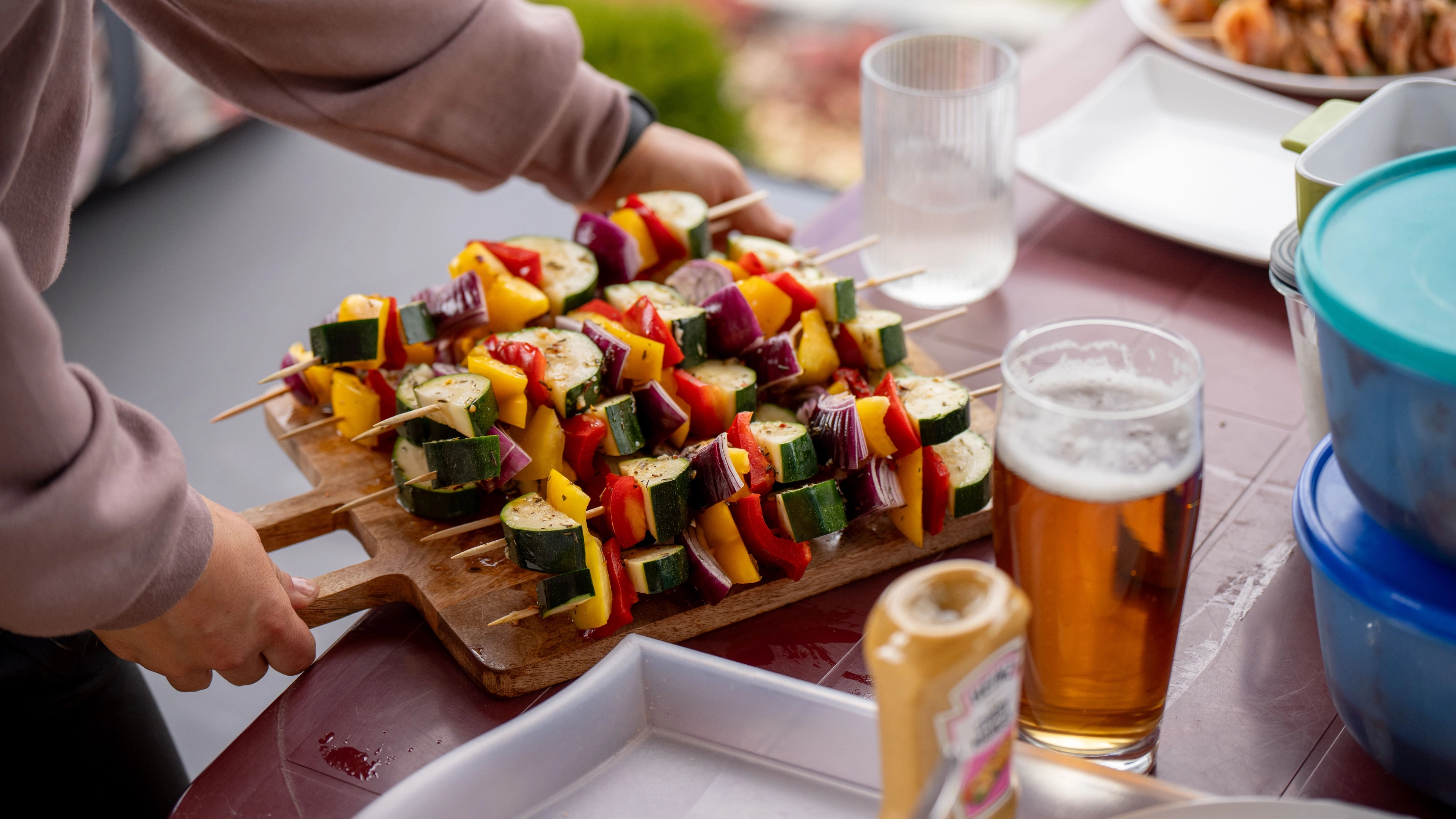
The expert-approved foods to eat during a heatwave

Amber heat-health alerts are in full swing once again across Britain, with reports claiming temperatures could hit highs of 36C in parts of southern England this week.
With a plethora of tropical nights on the cards and beach-based barbecues probably on the mind, you may be interested to know which foods you should reach for, and which dishes you should avoid like the plague during the July heatwave.
Various dietitians, nutritionists, and food health experts have weighed in with a tried-and-tested list of items, including Greek yoghurt, which could be your hot-weather saviour. They have also made a case for hot drinks, such as your ritualistic cup of coffee, remaining a staple despite the heat.
What to eat and drink during a heatwave
Edamame beans
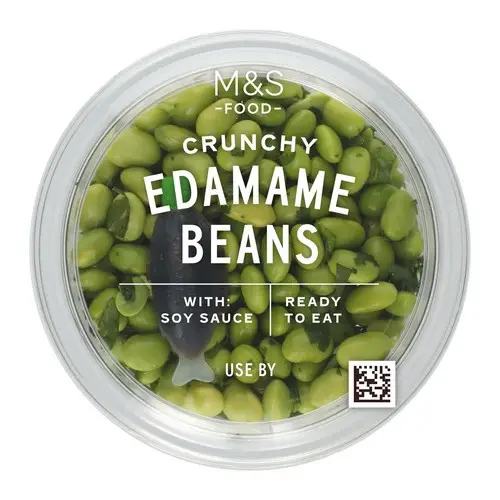
Ro Huntriss, consultant dietitian and founder of Fertility Dietitian UK, told Good Housekeeping that pots of edamame beans may be the ultimate heatwave snack as they provide fibre and a ‘range of vitamins and minerals’.
Advert
“They can help support fullness between meals, contribute towards your five-a-day and offer a more balanced alternative to many typical grab-and-go snacks,” she stated.
Protein isn’t a must
Aisling Daly, senior lecturer in nutrition at Oxford Brookes University, told the BBC that despite what you may read online, your body doesn’t necessarily need more protein in a heatwave.
If you do fancy it, though, the expert recommends reaching for pre-cooked meat, bean salads, eggs, and smoothies. This way, you won't have additional heat in your home from cooking chicken legs or pork chops in the oven or the air fryer.
Greek yoghurt is a god-send
Both Dr Daly and Lucy Kershaw, a nutrition expert with a degree in nutrition and food science, claimed that Greek yoghurt should be a go-to when it's hot in the UK.
“During heatwaves, it can be a good alternative to hot or heavier breakfasts. You could pair it with berries or watermelon, or use it as a base for dips,” reasoned Kershaw.
Nutritionist Emma Shafqat also told The Sun that frozen Greek yoghurt could be an absolute ‘hack’ when it’s hot.
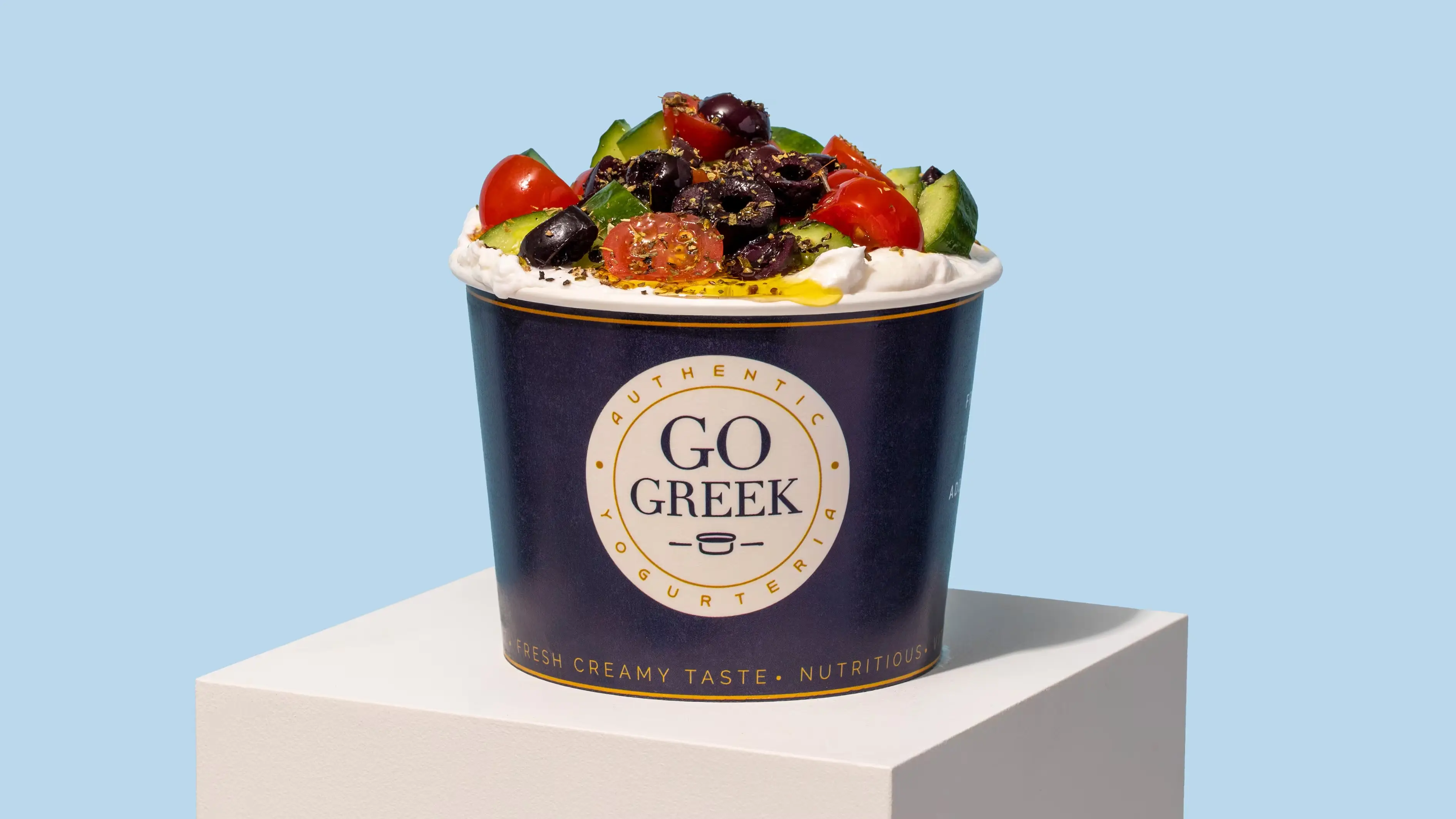
If you don’t fancy making it at home, then Go Greek Yogurt, the LA-born café, is set to launch in Mayfair on 11 July.
“As a nutritionist, I consider Greek yoghurt to be one of the best health foods out there. […]
“As someone who is half Greek myself, I’m usually very picky about my Greek yoghurts, but I’m happy to say that Go Greek Yogurt passes the test and I’m so looking forward to having something like this come to London to allow people more opportunities to enjoy this nutrient-dense food,” said nutritionist Kristen Stavridis.
Other go-to favourites include Snog in Soho and Fruit, Manchester’s original fro—yo parlour.
Get your water from fruit and vegetables
Hydration is key, with the NHS recommending you drink between six and eight glasses on a regular day.
However, in the midst of a heatwave, it’s advised by Dr Charlotte Mills, food and nutrition scientist at the University of Reading, that you consume more.
One of the easiest ways to do this is by upping your fruit and veg consumption, with leafy greens, tomatoes, watermelon, lettuce, and strawberries all touted as hot-weather heroes.
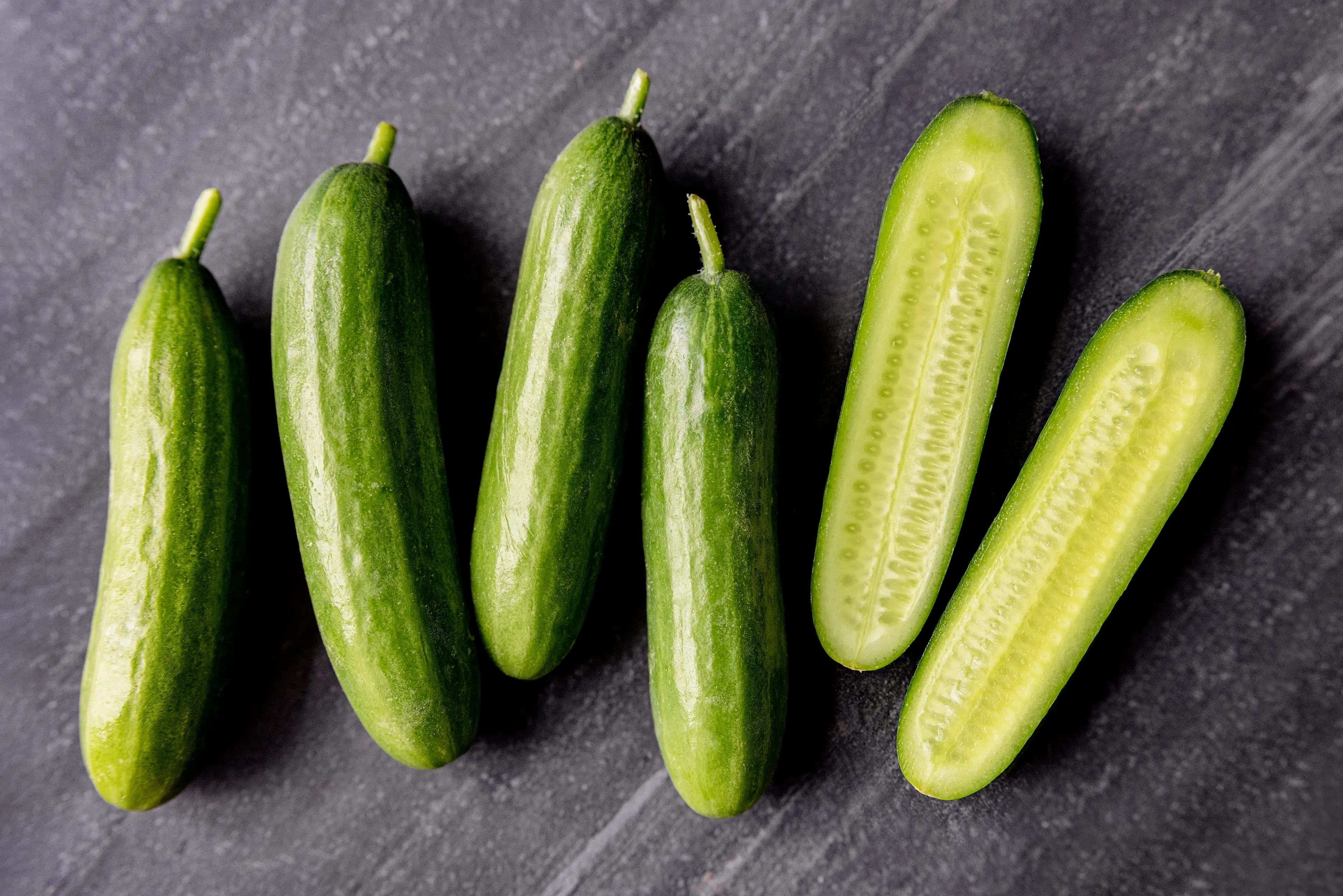
Kirsty Wood, a registered dietitian and Nutritionist Resource member, told the Independent that cucumber is especially good to munch on, hailing it for its high vitamin K, silica, and potassium levels.
Bananas, also high in potassium, have been approved by Kershaw.
She said that you can even freeze them into ‘healthier ice cream alternatives’ or use them to bulk up overnight oats and morning yoghurt bowls.
Gazpacho, essentially vegetables served in a glass or a bowl, is another alternative, says Huntriss.
"Served chilled, it's incredibly refreshing and provides fluid alongside nutrients from tomatoes and other vegetables.”
Hot drinks may cool you down
Admittedly, it does sound counterintuitive to drink a hot drink in order to cool down - but it works, according to Ollie Jay, a researcher at University of Ottawa’s School of Human Kinetics.

“If you drink a hot drink, it does result in a lower amount of heat stored inside your body, provided the additional sweat that’s produced when you drink the hot drink can evaporate,” the expert explained to Smithsonian Magazine.
However, he did warned that they should be avoided on hot and humid days where sweat doesn’t evaporate from the skin.
“The hot drink still does add a little heat to the body, so if the sweat’s not going to assist in evaporation, go for a cold drink,” Jay added.
Why appetites change in hot weather
Kershaw warned that you may find your appetite suffers when temperatures soar - but why is that?
“When the weather is warm, if you don’t feel like eating much, you won't be alone, and there is actually a good reason why this happens,” she said on behalf of UK vitamin brand, Nature’s Best.
“When the weather is warm, we heat up a lot more quickly, so our body tries to compensate by regulating temperature. One way it does this is by slowing down bodily functions such as digestion.”
She continued, explaining that a lot of energy is used to store nutrients and digest food, which in turn generates heat.

Referring to a paper published in the Nutrition & Metabolism journal, Kershaw stated: “While research is still ongoing, some studies suggest that warmer weather may lower the production of the gut hormone ghrelin, which sends signals to the brain that you are hungry.
“This is why, during a heatwave, you might feel like eating less. However, just because you might not feel like eating what you normally would, it doesn’t mean the body needs any less protein, fibre, or nutrients when it’s hot outside.”
To combat, the nutrition expert advised eating smaller portions more frequently throughout the day, and to make sure the items are ‘packed with nutrients to help you feel your best during warmer weather’.
How to cool down in a heatwave
We’re all aware of the basics of keeping cool during the warmer weather, such as avoiding the sun between 11am and 3pm, staying hydrated, wearing light clothing, taking cold showers and avoiding physical activity, but have you tried these little-known hacks to beat the heat? (Thank us later).
The correct way to sleep with a fan on
A good night's sleep is almost never guaranteed during a heatwave, leaving many of us turning to our trusty fan to get through the night. However, it could be having a hidden impact on your health.
But rest assured, as Dr Anis Khalaf has explained exactly how you can overcome this, the correct way.
"The key is to not have any of the wind blowing on you,” he said. “So try facing it away from your body, and the air will still circulate around the room."
Though bear in mind that electric fans only tend to work when the temperature is below 35 degrees.
Drinking milk
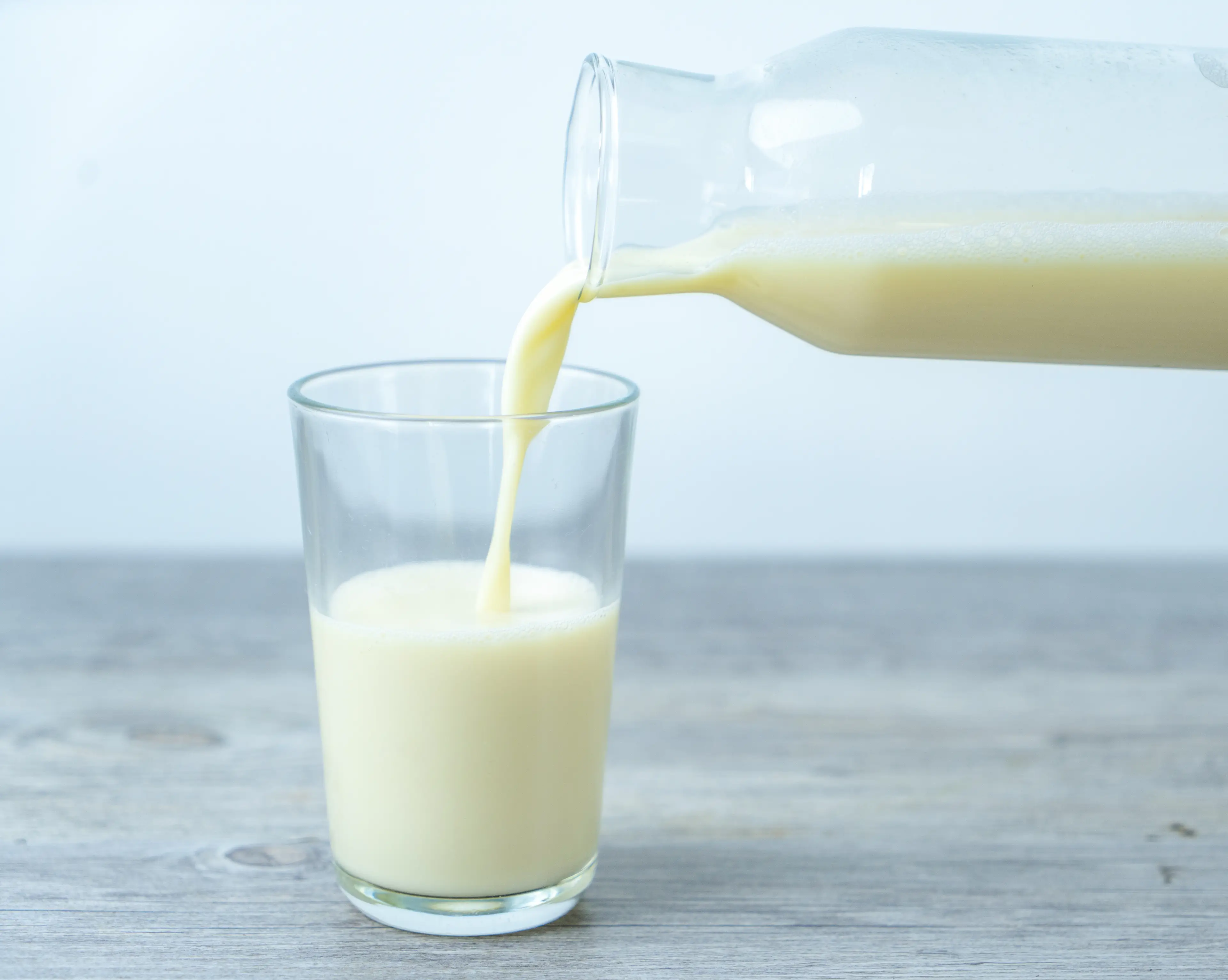
Thanks to the sugars, proteins and fats in milk, Dr Natasha Fernando claimed that a glass of the liquid ‘may be more hydrating than water’.
She told Metro: “Milk also contains sodium which allows your body to hold onto water for longer, aiding hydration levels.”
The Egyptian sleep method
Forget the Military sleep method because this hack claims to keep you cool as well as help you nod off.
Psychiatrist Alex Dimitriu, MD, told VeryWellMind: "The Egyptian sleep method involves sleeping under a damp sheet, which cools off from evaporation.”
Just make sure the sheet is damp and not drenched, and the room is well-ventilated.
Keeping windows shut during the day
While it may sound counterproductive, you’re essentially inviting the hot air inside by leaving them open. And since most houses in the UK are designed to keep the heat in, you could be making the situation a whole lot worse.
Instead, wait until temperatures have dropped (such as in the late evening) to open your windows to allow cooler air to circulate. Keeping your blinds and curtains shut can also help.
 Ella Scott