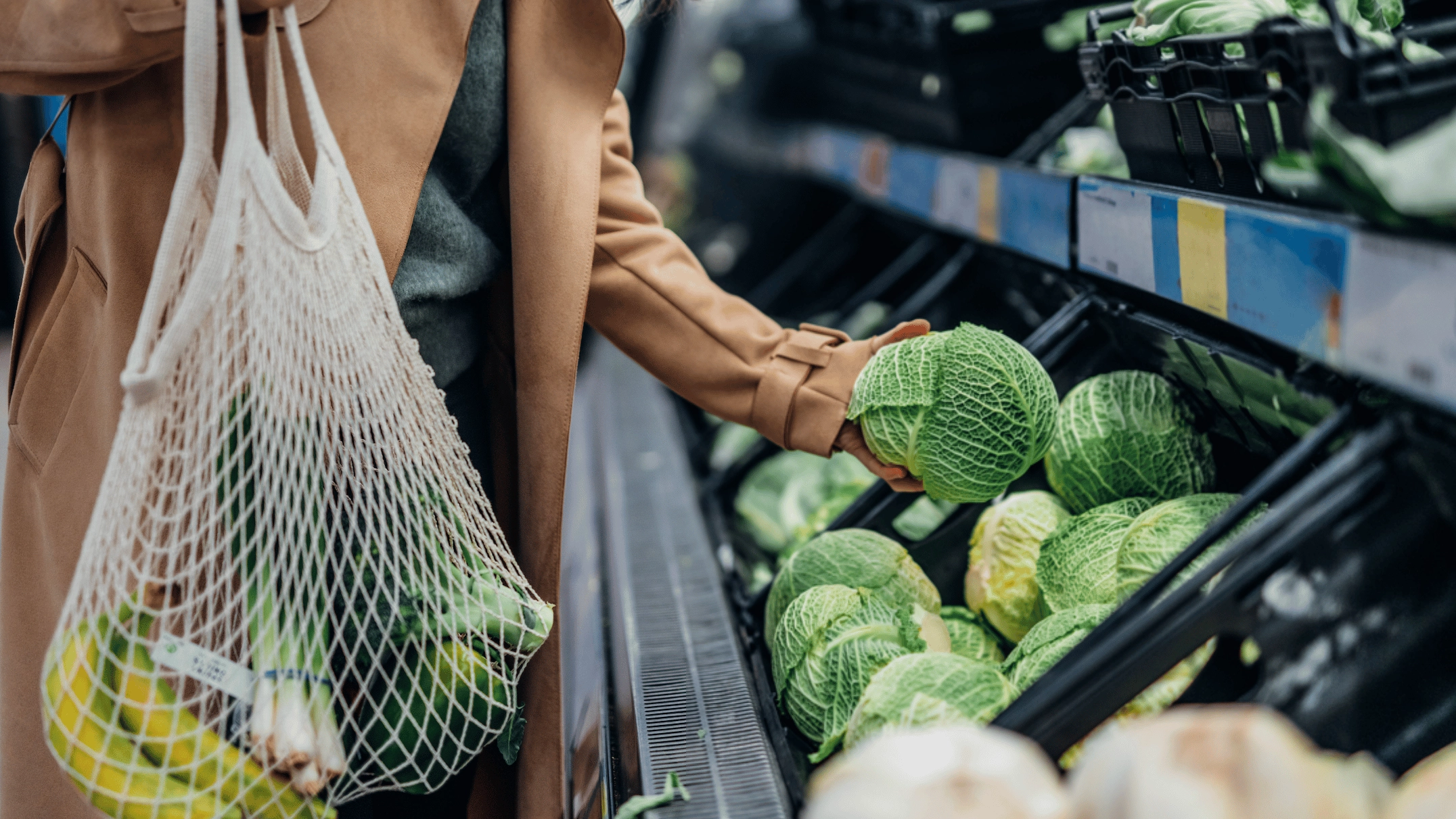
Everyone's raising the same point as Vogue brands 2026 the 'year of the cabbage'

Vogue has branded 2026 the official ‘Year of the Cabbage’ - and social media is unanimous on what they have to say on the matter.
There’s always some new food or controversial gimmick popping off in the wellness spheres, with consumers waxing lyrical about taste, benefits, and health properties.
Jars of sea moss, foods that lean into the ‘fibremaxxing trend’, açai bowls, and supplements like creatine have all had their time in the sun over the past few years.
But now it’s time to return to the ground, with Vogue alleging 2026 is all about the most ‘underrated’ leafy green: the humble cabbage
Advert
Various experts have weighed in on how ‘versatile’ the veggie is, remarking how it can be eaten raw, fermented, steamed, sautéed, and how its universal ‘culinary appeal’ makes it the star of the show.
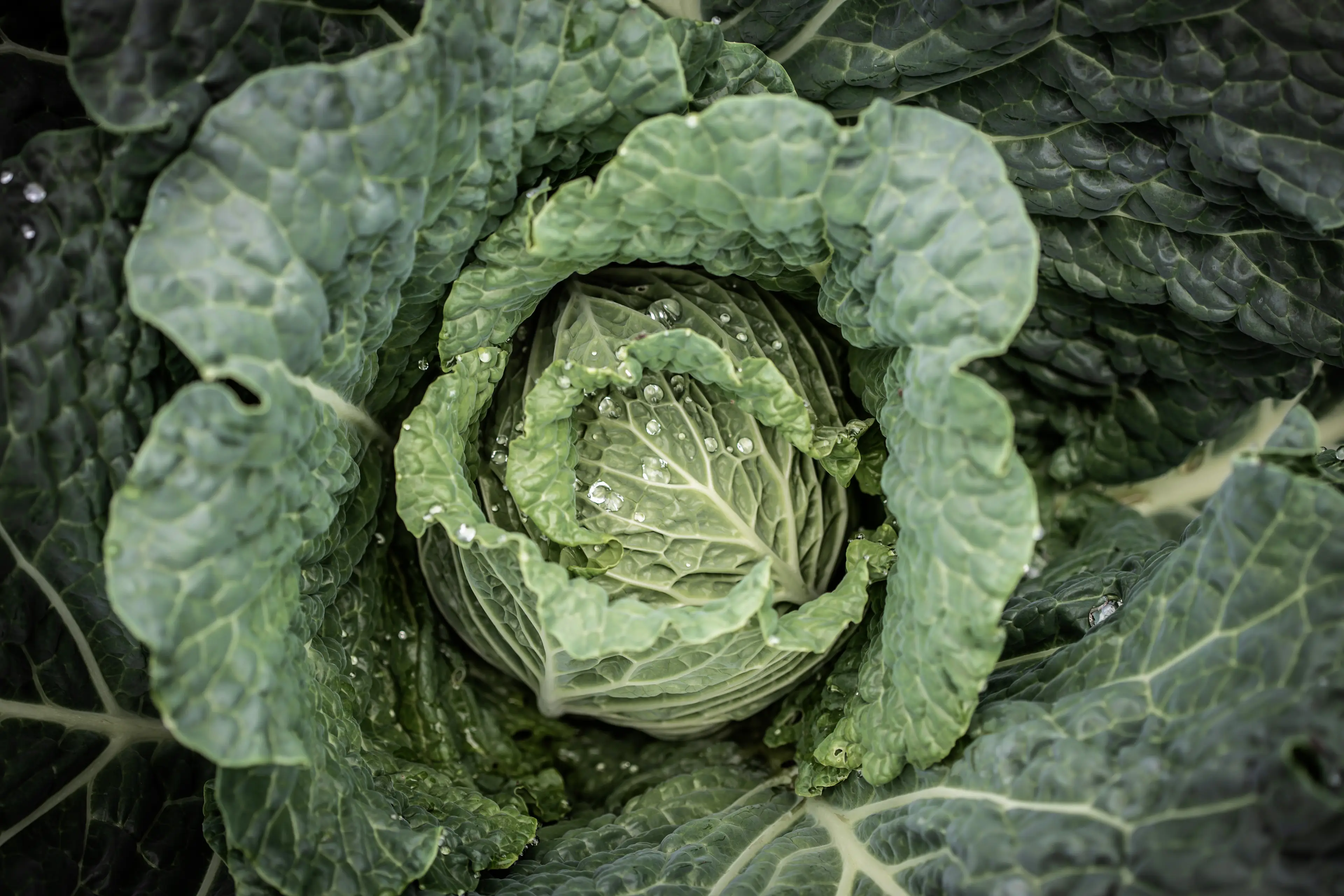
“I love it because it is a noble vegetable that grows easily, keeps well, and can be used almost entirely, making it perfect for a conscious and respectful approach to cooking,” Tatiana Mora, chef of plant-based Michelin star restaurant, Mita, told the publication.
In an Instagram caption, Vogue wrote how the leafy green, which is part of the brassica plant family, is often overlooked.
“But as far as nutritional food options go, the leafy green is pretty hard to beat. It’s accessible, easy to cook, and delicious,” the outlet added.
The post, which has wracked up more than 50,800 likes, has divided the internet, with many social media users claiming the ‘Year of the Cabbage’ is nothing but a ‘recession indicator’.
“Recession vibes. It’s giving famine. It’s giving no one can afford groceries. Well slayed Vogue,” said one.
A second social media user commented: “Recessions are chic!”
“Yes we are all poor thank you for the reminder,” someone else replied.
Chef and food writer Carla Lalli Music simply typed: "RECESSION INDICATOR."
A fourth said: “Yall aren’t tricking anyone. It’s giving eastern block. It’s giving recession. Just tell us the actual truth.”
Business Insider has previously discussed the idea of cabbage’s surging popularity being a ‘recession indicator’.
The outlet remarked that instead of pointing to hard times, the item may be flying off shelves because of ‘our obsession with health, longevity, and the gut microbiome’.
“People are looking for ways to eat more fibre, support their gut health, and eat more plants without blowing their budget”, added Rob Hobson, a registered nutritionist and cookbook author.
Benefits of eating cabbage
The leafy green vegetable is favoured by food experts for being rich in antioxidants, phytonutrients, and high in fibre.
Not only that, but experts at Brown University suggest that eating the fridge staple can reduce risk of heart disease and stroke, improve your immune system, and fight the breakdown of bone.
People who live with diabetes may also reap the benefits of eating cabbage, with the health professionals revealing it can help keep blood sugar levels stable without dangerous spikes.
Downsides of eating cabbage
Unfortunately, the veggie isn’t great for everyone to eat.
According to Amy Shapiro, a registered dietitian and founder of Real Nutrition, anyone with irritable bowel syndrome (IBS) may have to forgo eating big helpings of the stuff.
This is because high fibre content can upset the bowels, trigger bloating, and cause gas build up.
Those with thyroid concerns should also be wary of eating any kind of raw cruciferous vegetables, while those on blood thinners should be ware that cabbage’s vitamin K levels may interfere with medication.
Other anti-inflammatory vegetables to eat in January
Jessica Ball, senior nutrition editor for EatingWell, has said that cabbage isn’t the only vegetable you should be chowing down on in January.
Carrots, leafy greens, Brussels sprouts, and cauliflower are all firm anti-inflammatory favourites.
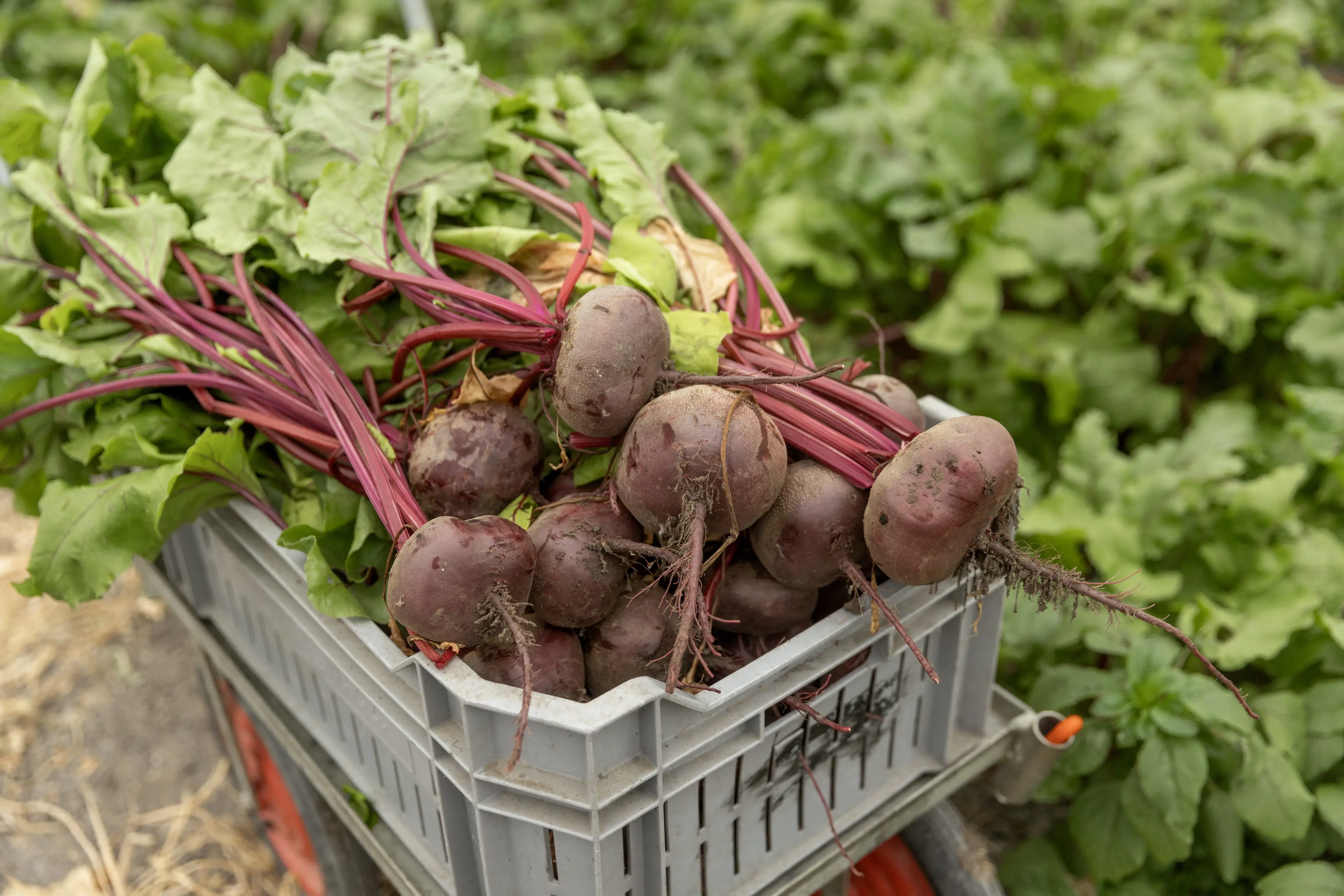
Beetroot has also been described as an ‘inflammation-fighting vegetable’ by Ball.
“Beets are high in betalains, a class of antioxidants commonly found in produce with a deep red and purple colour,” she wrote.
“They’ve been linked to reducing levels of inflammation, lowering heart disease risk, and even helping protect against certain kinds of cancers.”
Topics: Health, Vegan, News, Social Media
 Ella Scott