How long creatine takes to start working in the body

Creatine is something that many people claim is beneficial to the body, but how long it takes to work isn’t that widely known.
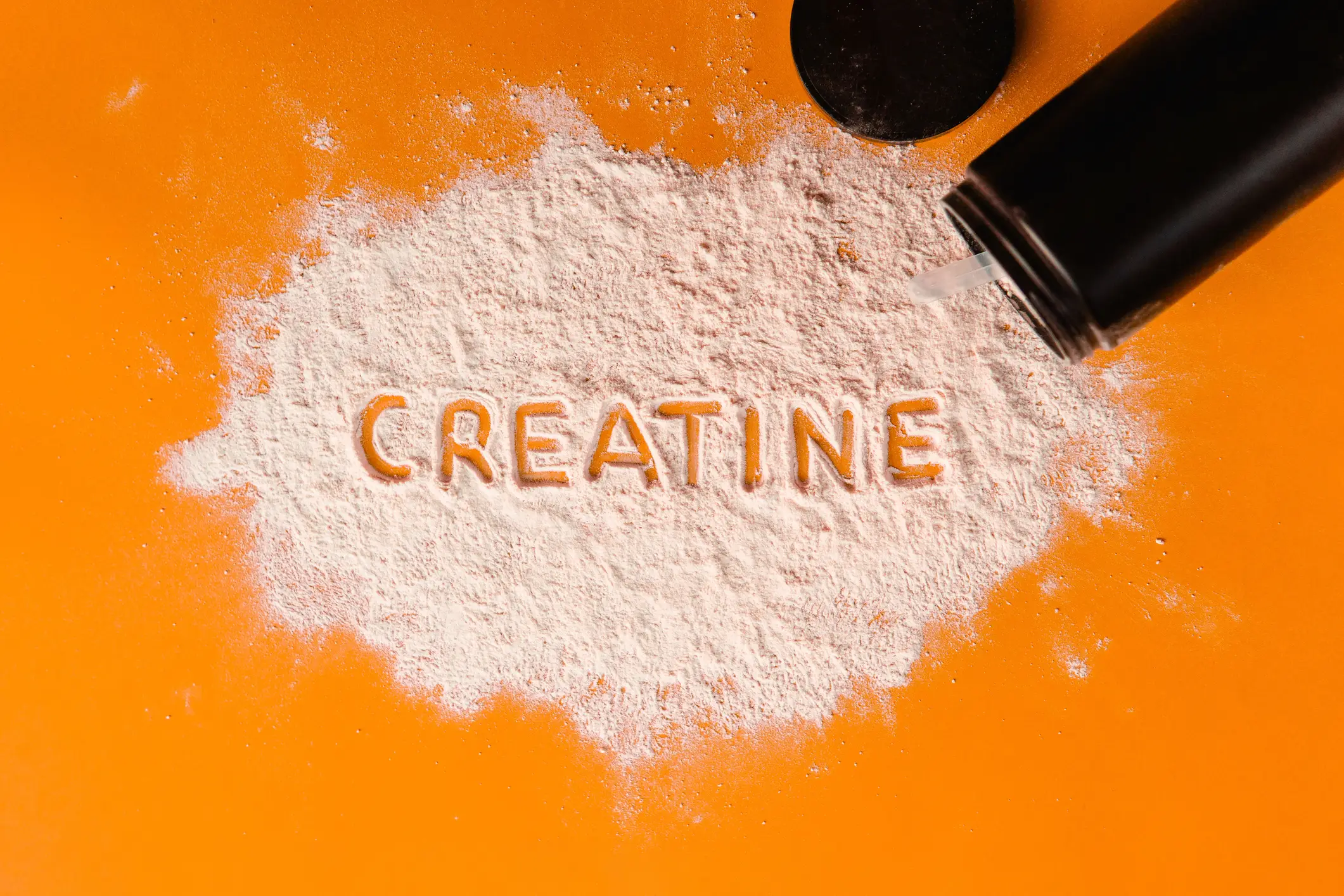
The supplement is something we naturally make in small doses, but when we have more in our system, it can prove to have a positive effect on our lives.
Per the Mayo Clinic, it is 'a compound that comes from three amino acids' and 'is found mostly in your body's muscles as well as in the brain'.
According to the site, most people get creatine through seafood and red meat, but those levels are a lot smaller than the synthetically made creatine supplements.
Benefits of taking creatine
According to Harvard Health, there are many positive things about creatine that people can expect to enjoy.
Advert
For example, it might enhance athletic performance as it increases energy production and may enhance power burst that improves speed and power for short periods of time.
It has also been linked to increased glycogen storage in muscle, which can be quickly released, giving an instant energy source to those pumping it at the gym.
While it doesn’t directly increase muscle growth, creatine supplementation - once paired with regular resistance training and a good diet - may ‘offset age-related sarcopenia'.
The university stated that sarcopenia, the loss of muscle mass that comes as we grow older or after an injury, could be pushed further back in time.
How long creatine takes to work
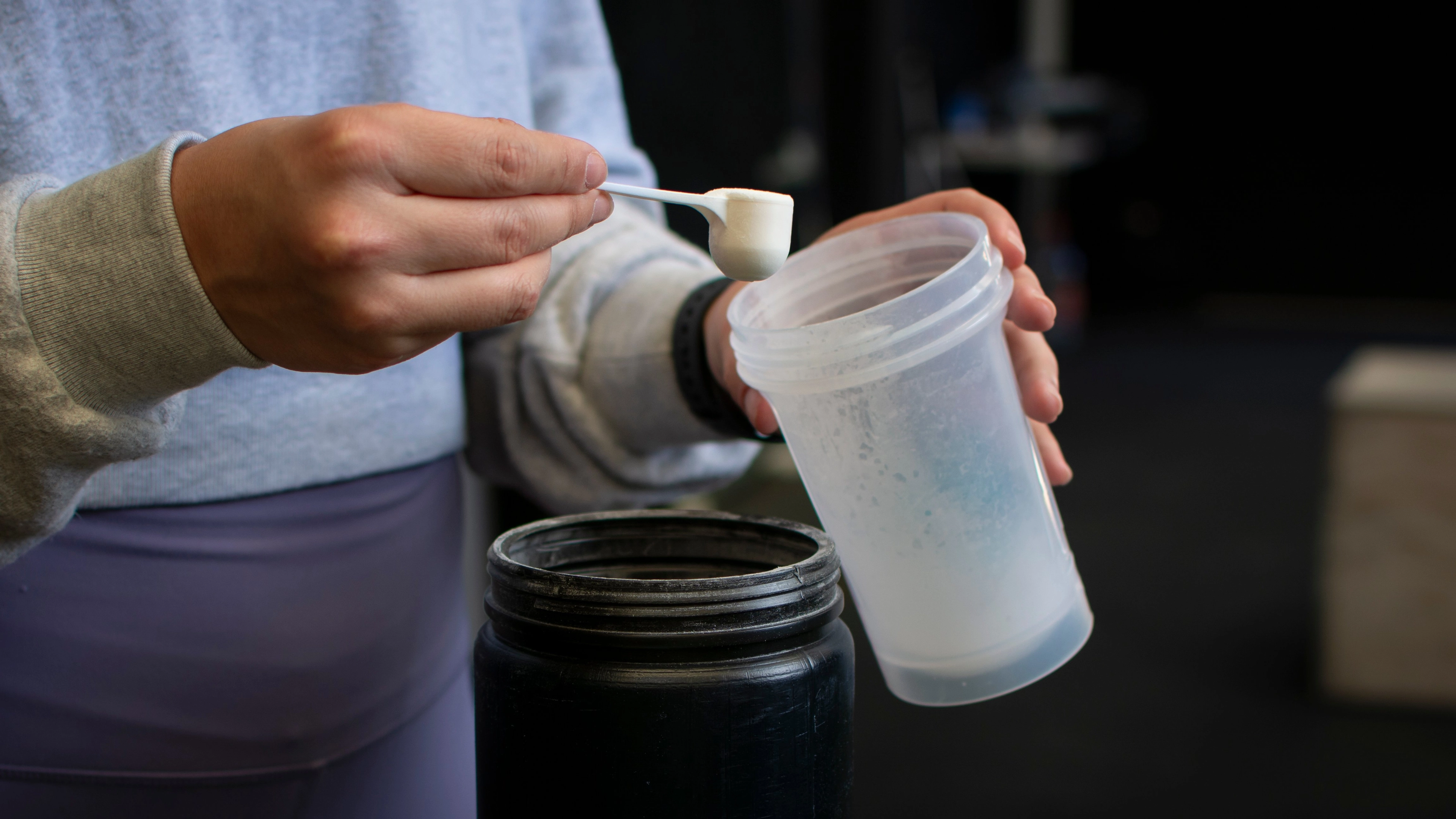
Creatine, like many other supplements, takes around a week or so to get into your system, and then from there, the improvements increase.
You should be able to feel your energy increase after taking it after that time period and sustain your workout for a longer or heavier impact.
According to research in Medicine & Science in Sports & Exercise, muscle fibres grow faster when creatine is combined with resistance training.
After about four weeks, you should have the full effects, but ultimately, it’s down to dosage.

Usually, people tend to take a 3-5g daily dose, per Men’s Health, but you can take what is directed on the packet.
Dr Pam Mason, nutritionist for the Health & Food Supplements Information Service told Boots that creatine needs to get into your muscles to absorb and store it.
However, most people start to notice small changes around four weeks if they use it daily at a higher dose.
Mason says: "Many people take a loading dose of 20g daily for 5–7 days, and benefits may be experienced within a week. People tend to take a maintenance dose of 3–5g daily. If you choose not to take a loading dose and start with a lower dose of 3–5g daily, benefits may be seen after around one month.”
Boots also gave a timeline of its impact on the body:
Week 1
Your muscles begin to absorb and store creatine.
Week 2
Your energy levels may feel steadier as you complete short, high-intensity exercise.
Weeks 3-4
By this time, your muscles reach their storage capacity, and you might feel like working out is easier.
Side effects of creatine
Like any supplement, it’s important to know that some people may experience side effects.
When it comes to creatine, Holland & Barrett explains that users might feel dizzy, gain weight, and more.
As creatine can cause your muscles to retain water, you might weigh more, even if it’s not from fat.
Unfortunately, you might also get stomach pain if you take high doses of creatine, and even diarrhoea or gas.
The supplement shop also detailed that some report feeling muscle cramps, dehydration, dry mouth, dizziness, hair loss, and liver and kidney damage.
 Britt Jones