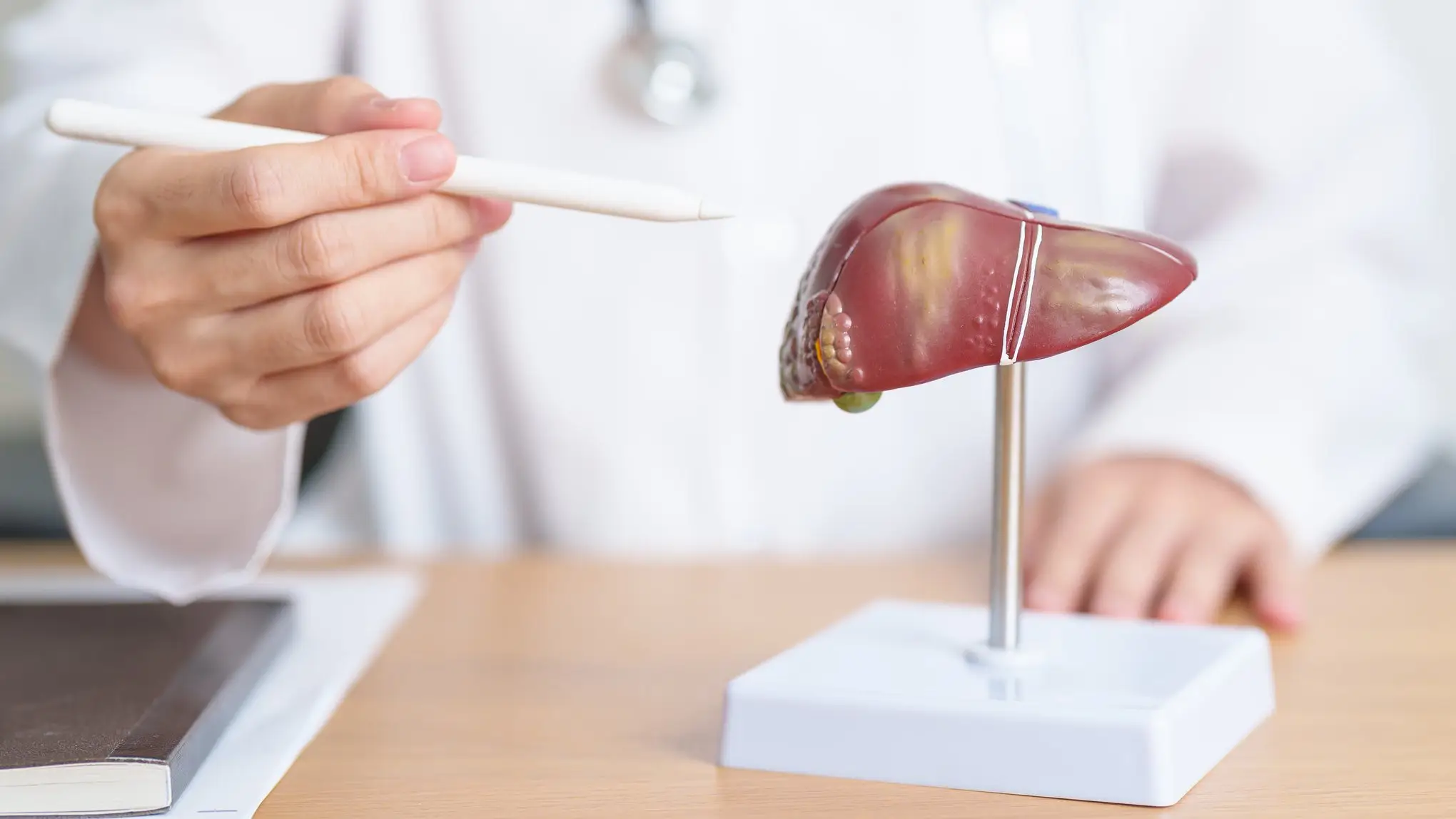
How long the liver takes to recover when you do Dry January

After weeks of festive excess, questionable decisions and one too many late nights that start with ‘just the one’, January tends to arrive with a collective groan.
Christmas has been and gone, the bank balance is wobbling, and many people have decided it’s finally time to give their body a bit of a break. Dry January offers some relief with 31 alcohol-free days in the hope of undoing some of the damage caused by December’s indulgence.
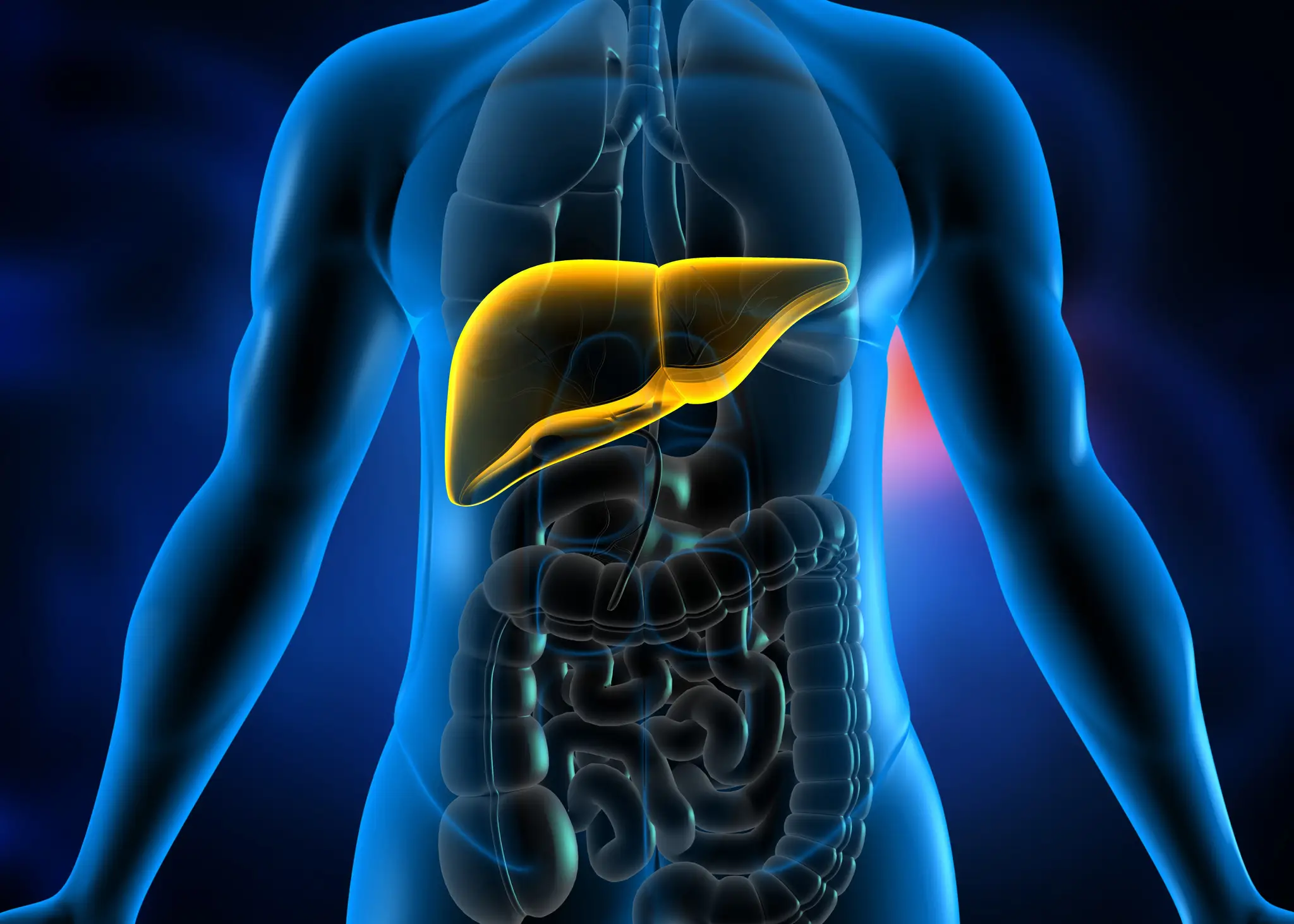
Aside from fewer hangovers and pints over £7, one of the biggest reasons people take part is for their health (particularly their liver). After all, it’s the organ that takes the biggest hit when alcohol is involved, quietly working overtime while the rest of you is having a great time.
Advert
Although as many people learn or get reacquainted with the concept each year, it’s very easy to wonder how much good a month off alcohol actually does for your liver.
Firstly, the part that many people won’t love is that there’s no instant reset. According to liver specialists at the Cleveland Clinic, the liver doesn’t simply bounce back the moment you put the cork back in the bottle.
Dr Christina Lindenmeyer, says: “There is no ‘one size fits all’ answer... It depends on how much damage has already been done and any possible complications.”
That said, Dry January is far from pointless. Research suggests that liver function can start to improve within a couple of weeks of stopping drinking. Studies have shown that two to four weeks of abstinence can help reduce inflammation in the liver and bring down elevated enzyme levels, especially in people who have been drinking heavily.
Even short periods of heavy drinking can lead to a build-up of fat in the liver, which is why doctors often stress the importance of giving it a break. For some people, fatty liver changes can begin to reverse after a couple of weeks without alcohol, although this varies widely from person to person.

What Dry January won’t do is undo years of damage overnight. In more serious cases, such as cirrhosis caused by long-term alcohol use, the advice is much stricter.
Dr Lindenmeyer added: “For patients who are left with cirrhosis after severe injury to the liver from alcohol, even one drink of alcohol is toxic to the liver.”
That’s why Dry January should be seen as a starting point rather than a cure-all. Alongside not drinking, doctors also highlight the importance of eating well, getting enough protein and calories, and generally giving your body the support it needs to repair itself.
For casual and moderate drinkers, a month off alcohol can still bring noticeable benefits, including better energy levels, improved sleep and reduced liver inflammation. For heavier drinkers, it can be an important wake-up call, and sometimes the first step towards making longer-term changes.
If you're worried that you're drinking too much, there's support available. Find out about your options. Drinkline, a free, confidential helpline for people who are concerned about their drinking, or someone else's. Call 0300 123 1110 (weekdays 9am–8pm, weekends 11am–4pm).
 Ben Williams