
Vegetarian diet reduces risk of five types of cancer, new study finds

The largest study of vegetarian diets has been completed by experts at Oxford University, with results suggesting that abstaining from animal-based products may mitigate cancer risk.
Almost one in two people born in Britain after 1961 is likely to be diagnosed with some kind of cancer in their lifetime, according to official statistics by Cancer Research UK.
Some of the most prevalent kinds are breast, prostate, lung, and bowel, which together accounted for over half of all cancer cases in the UK between 2017 and 2019.
Experts dedicated to finding cancer cures and exploring common causes have recently concluded that by eating a vegetarian diet, you could decrease the risk of developing the disease.
What is a vegetarian diet?
According to The Vegetarian Society, around 5.5 percent of the UK population follows a vegetarian or vegan diet.
Advert
Strict vegetarians make sure to exclude meat, poultry, fish, and shellfish from their diets.
Most are likely to abstain from consuming slaughter by-products, such as gelatine and heparin, with the latter being administered via injection to prevent blood clots.
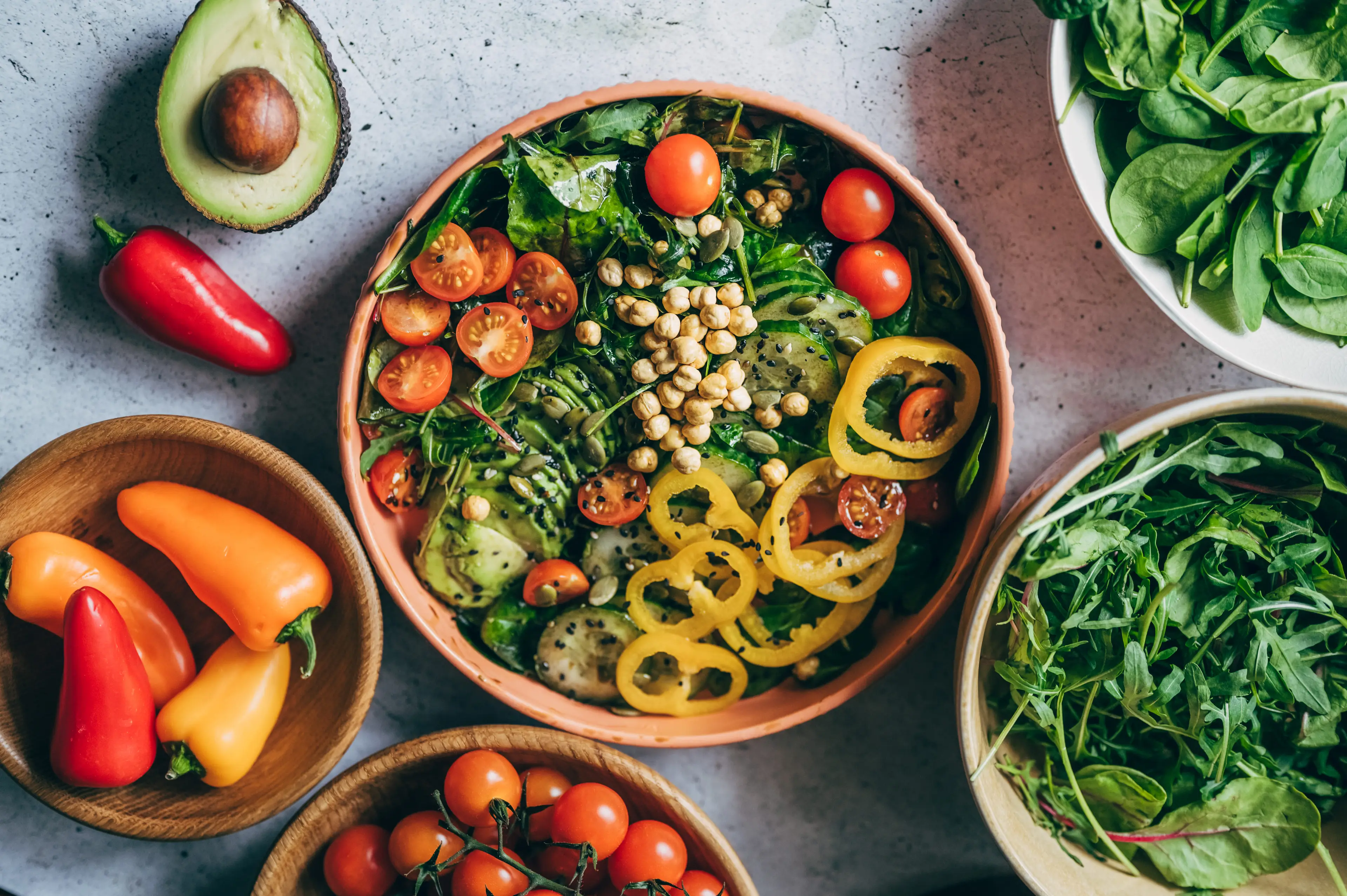
Instead of eating meat, vegetarians prioritise plant-based favourites such as tofu and tempeh, as well as fruits and vegetables.
Most vegetarians continue eating dairy and eggs. Those who choose to cut these from their diets may be considered vegans.
How vegetarian diet can reduce cancer risk
On Friday (27 February), researchers from Oxford Population Health’s Cancer Epidemiology Unit published the largest ever study of non-meat diets and cancer risk in the British Journal of Cancer.
The paper, titled ‘Vegetarian diets and cancer risk: pooled analysis of 1.8 million women and men in nine prospective studies on three continents’, was funded by World Cancer Research Fund.
Researchers pooled data collected from more than 1.8 million people who followed various diets, including meat and poultry eaters, pescatarians, vegetarians, and vegans.
All of the participants chosen to take part in the study lived in the UK, the United States, Taiwan, and India.
16 years after the initial tests were done, the researchers revisited the respondents to help ‘shed light on the benefits and risks associated with vegetarian diets’.
It was discovered that 21 percent of the 63,147 vegetarians included in the paper had a lower pancreatic cancer risk than those who ate meat.
Compared to meat eaters, they also had a lower risk of developing breast cancer (9 percent), prostate cancer (12 percent), and kidney cancer (28 percent).
Veggies also had 31 percent less chance of being diagnosed with multiple myeloma, a cancer that forms white blood cells, as per the Mayo Clinic.
However, the scientists discovered that vegetarians had nearly double the risk of squamous cell carcinoma of the oesophagus.
The latter is a highly aggressive cancer that begins in the flat, thin cells that line the surface of the oesophagus.
What experts say about the study results
A vegetarian’s penchant for fruit, vegetables and fibre may be the reason they’re less likely to develop some cancers than meat eaters, claimed Aurora Perez Cornago, principal investigator of the study and formerly Associate Professor at Oxford Population Health.
However, she told Oxford Population Health that additional research was needed to ‘understand what is driving the differences in cancer risk found in [the] study.’
Praising the research that has been done so far, Dr Helen Croker, Assistant Director of Research and Policy at World Cancer Research Fund International, said: “We funded this research because people deserve evidence they can trust as they consider eating less meat and this study provides the most comprehensive evidence yet on vegetarian and non-meat diets and cancer risk.
“The results suggest non-meat diets are linked to lower risks for some cancers, though not all, highlighting important differences between cancer types and the role of different dietary patterns.”
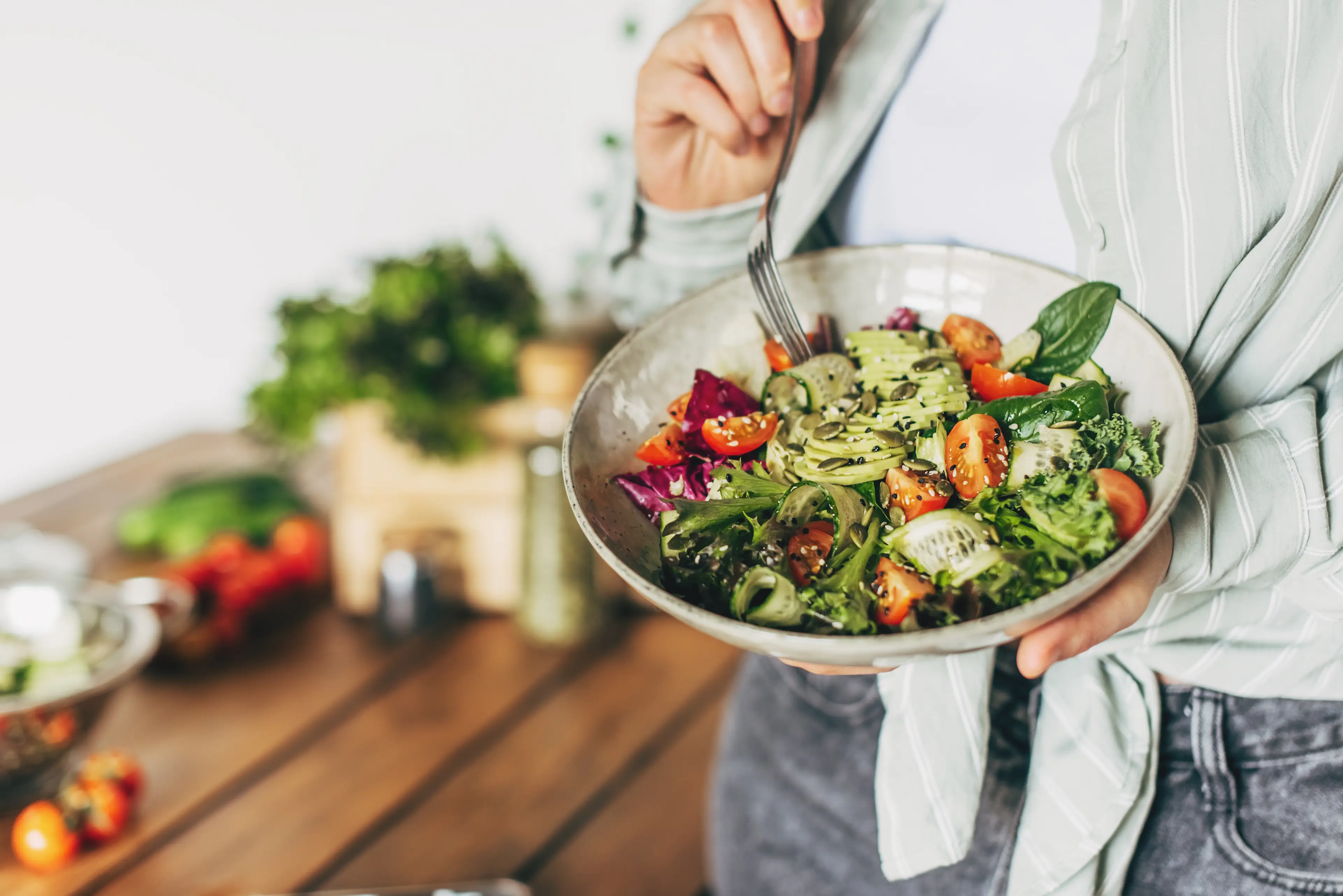
She added: “To increase your overall protection from cancer, our advice is to build meals around wholegrains, pulses, fruit and vegetables, and avoid processed meat and limit red meat.’
It’s currently advised by the NHS to eat no more than 350 to 500g of cooked meat each week, while five portions of fruit and vegetables should be consumed daily.
 Ella Scott