
The little-known nutrient you never knew you needed more of

When it comes to living a happy, healthy life, experts advise we eat a balanced diet, consume alcohol in low or moderate amounts, and make sure we consume the recommended daily amount of vitamins and minerals, such as iron, potassium, vitamin K and folate.
But there is another little-known nutrient that experts say can reduce inflammation and lower the risk of diseases, such as duodenum and pancreatic cancer.
Here’s everything you need to know about resistant starch, what foods contain good sources of the carbohydrate, and who should avoid consuming it and why.
What is resistant starch?
According to the Quadram Institute, resistant starch is a form of dietary fibre with the ability to resist digestion in the small intestine.
Instead, it travels further along the digestive tract to the large intestine, where it starts to ferment and is broken down by friendly gut microbes.
Advert
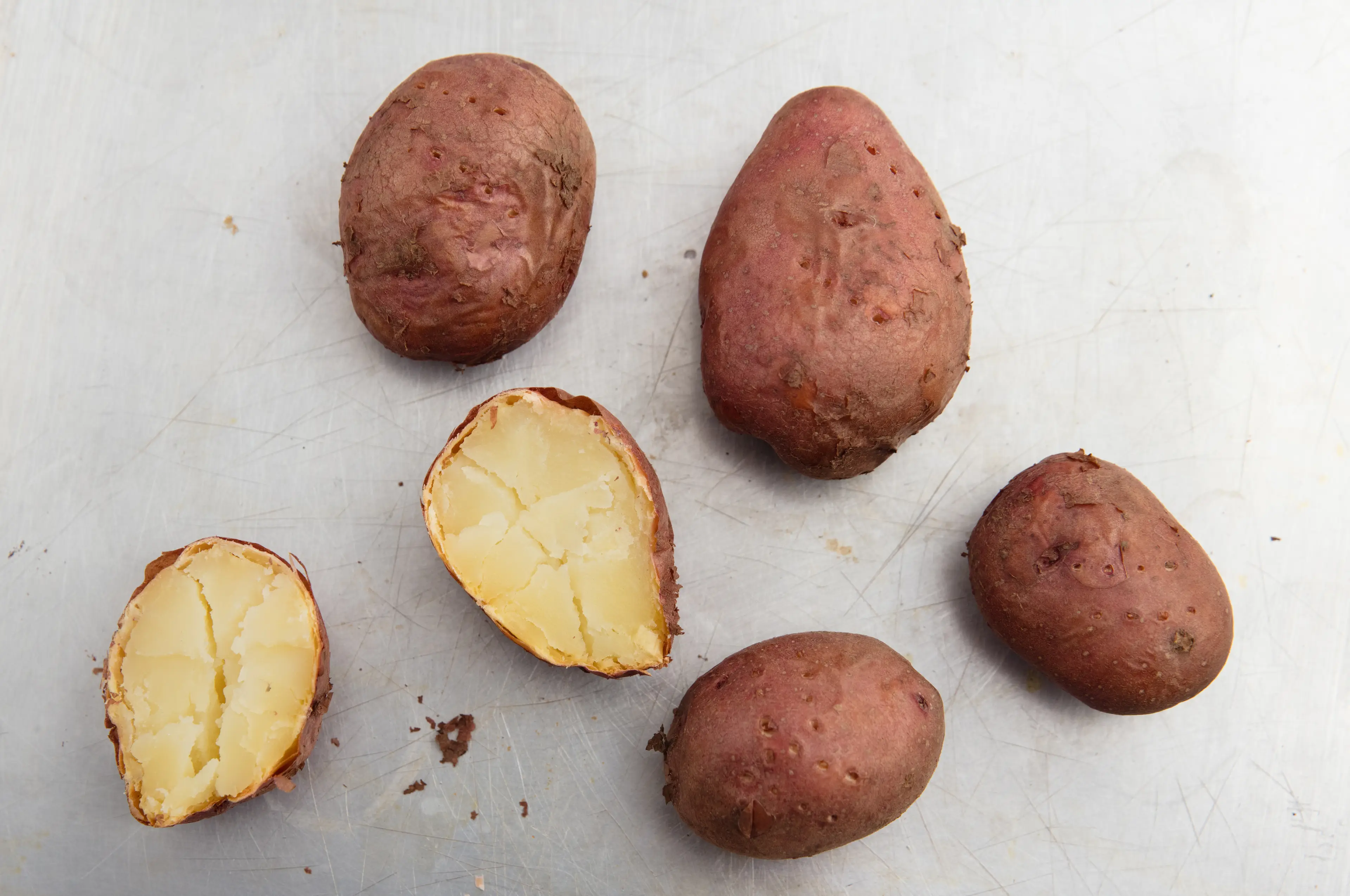
Rhiannon Lambert, a registered nutritionist and author of The Fibre Formula, explained to The Times that once broken down into short-chain fatty acids [SCFAs] such as butyrate, the resistant starch can reduce inflammation and help lower the risk of conditions such as heart disease and obesity.”
What foods do you get resistant startch from
Resistant starch occurs naturally in some foods, such as whole grains, seeds, legumes, sweetcorn, and not-quite-ripe bananas, as per the NHS.
It can also be formed when food is processed, cooked, cooled or reheated.
Part-baked bread and toast, as well as cooled pasta, ready meals containing potatoes, and muesli are all good sources.
“Resistant starch can be taken as a powder supplement,” Mathers explained.
It’s worth checking with your healthcare professional before making any extreme adjustments to your diet.
What studies have shown about resistant startch
In 2022, John Mathers, professor of human nutrition at Newcastle University, published research in the Cancer Prevention Research journal suggesting that resistant starch may reduce a range of cancers by over 60 percent.
The study involved almost 1,000 patients with Lynch syndrome - a genetic condition that raises the risk of many types of cancer, especially colon cancer and endometrial cancer, as reported by the Mayo Clinic.
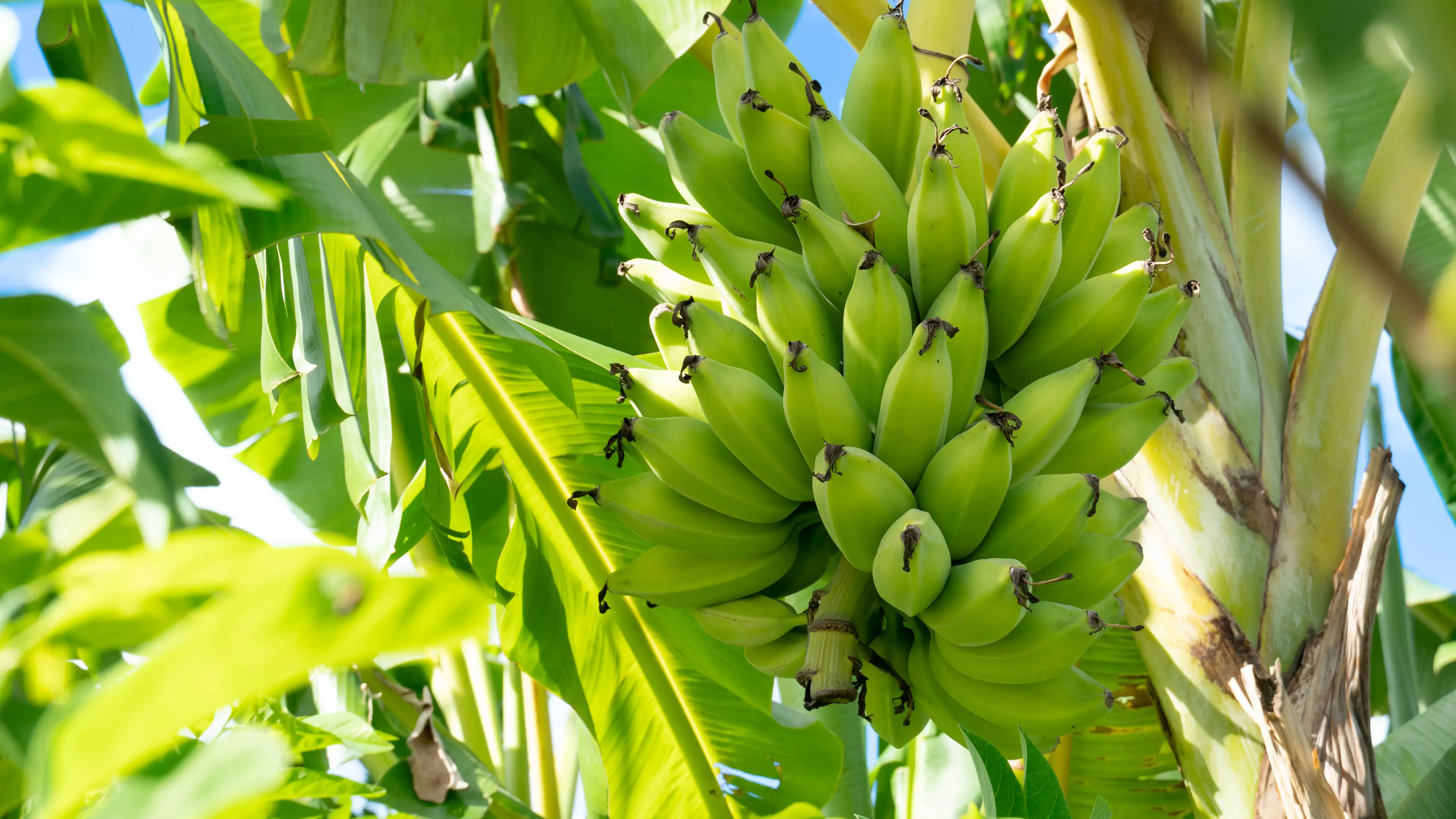
Researchers found that those who consumed a regular dose of resistant starch reduced cancers such as upper gastrointestinal cancers, including oesophageal, gastric, biliary tract, pancreatic and duodenum cancers, by more than half.
“The effect was most obvious in the upper part of the gut,” Professor Marthers explained.
“This is important as cancers of the upper GI tract are difficult to diagnose and often are not caught early on.”
Why not everyone should eat resistant startch
Gas is a common side effect of consuming resistant starch, meaning anyone with a sensitive bowel should probably try to eat less of the nutrient.
Moreover, it’s possible to experience wind, bloating, and abdominal pain, as well as diarrhoea and constipation.
“Remember that beans, lentils, and other foods high in fibre and resistant starch can cause bloating and flatulence, so slow and steady is the way,” said Dr Linia Patel, a researcher in the department of clinical sciences and community health at the Università degli Studi di Milano in Italy and a spokeswoman for the British Dietetic Association.
 Ella Scott