
Little-known 'Nordic diet' could help you live longer

In the world of European wellness trends, the spotlight usually swings south, with olive oil, sun-ripened tomatoes, and leisurely lunches having long dominated the conversation about what it means to eat well.
But further north, where winters are darker and plates look a little heartier, another way of eating has quietly been doing the same job, and possibly doing it just as well.
Rooted in the traditional foods of Denmark, Finland, Iceland, Norway and Sweden, the Nordic diet doesn’t advertise itself loudly. There are no rigid rules, no forbidden food lists and no promise of rapid transformation. Instead, it is built around what grows locally in colder climates: sturdy vegetables, whole grains, oily fish and fermented dairy. It is practical, seasonal and, at first glance, unremarkable.
Advert
Created in 2004 by a group of nutritionists, scientists and chefs, the so-called New Nordic Diet was designed to be healthy, sustainable and flavour-forward. Speaking to National Geographic, Dawn Jackson Blatner, a registered dietitian nutritionist in Chicago and author of The Superfood Swap, said: “It’s basically the Mediterranean diet’s colder-climate cousin… It’s very similar but it includes more foods that grow in cold climates.”
That resemblance matters more than it might seem because beneath the modest food list, sits a growing body of evidence linking the Nordic diet to longer life and better health. Researchers analysing dozens of studies have found that people who closely follow this style of eating have significantly lower risks of dying early, particularly from heart disease and cancer.
As David L. Katz, preventive medicine specialist and past president of the American College of Lifestyle Medicine, puts it: “All good diets are made up of real food, mostly plants. The Nordic diet is a variation on the same theme. Its health benefits translate to overall vitality and longevity.”
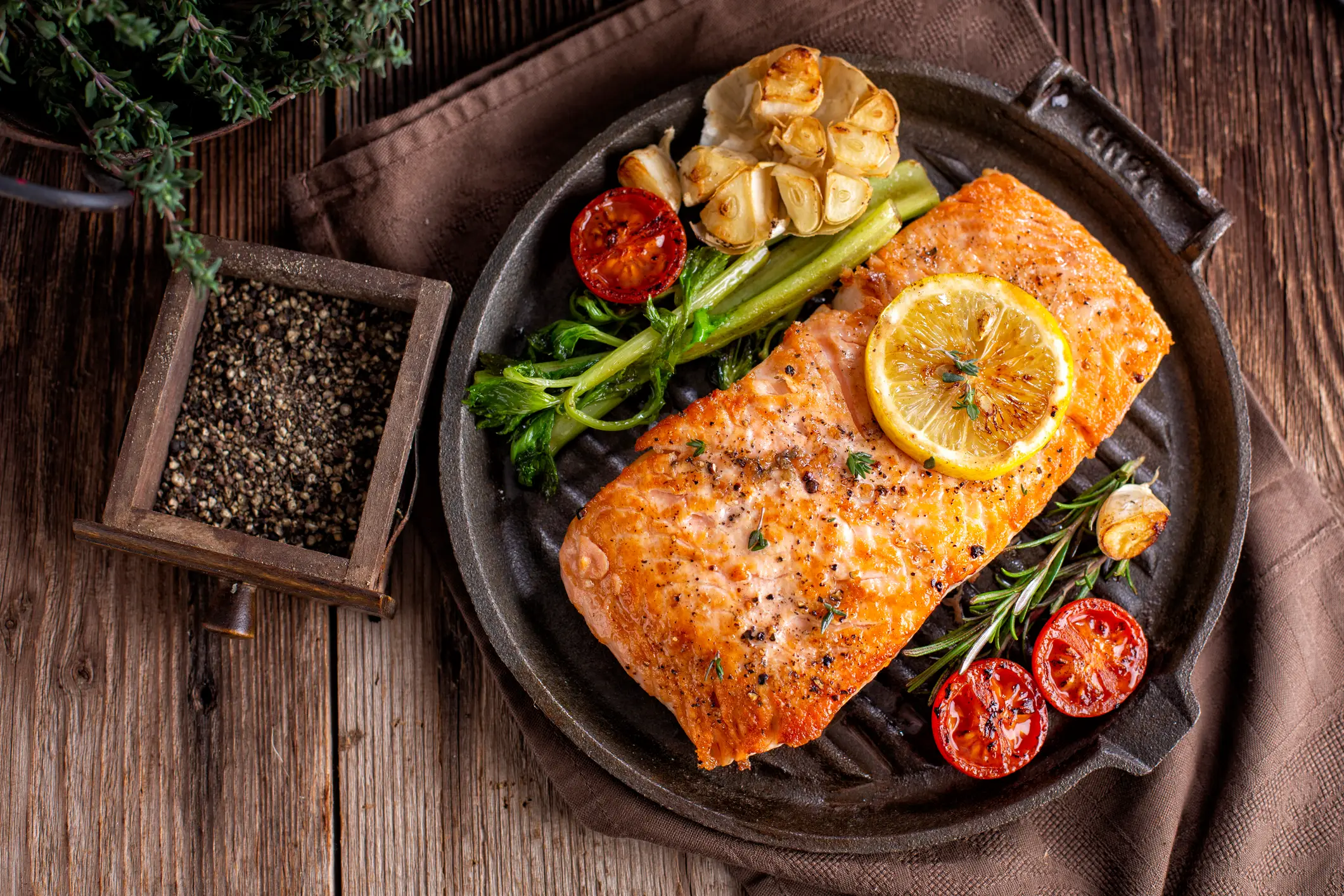
The diet itself is largely plant-based, with a heavy emphasis on berries, apples, and pears, root vegetables such as beets and carrots, and cruciferous vegetables like cabbage. Whole grains, including rye, barley and oats, are staples, alongside legumes, nuts and seeds. Fatty fish like salmon, herring, sardines and mackerel appear frequently, while eggs and lean meats are eaten in moderation. Highly processed foods and sugary treats are discouraged, but not banned.
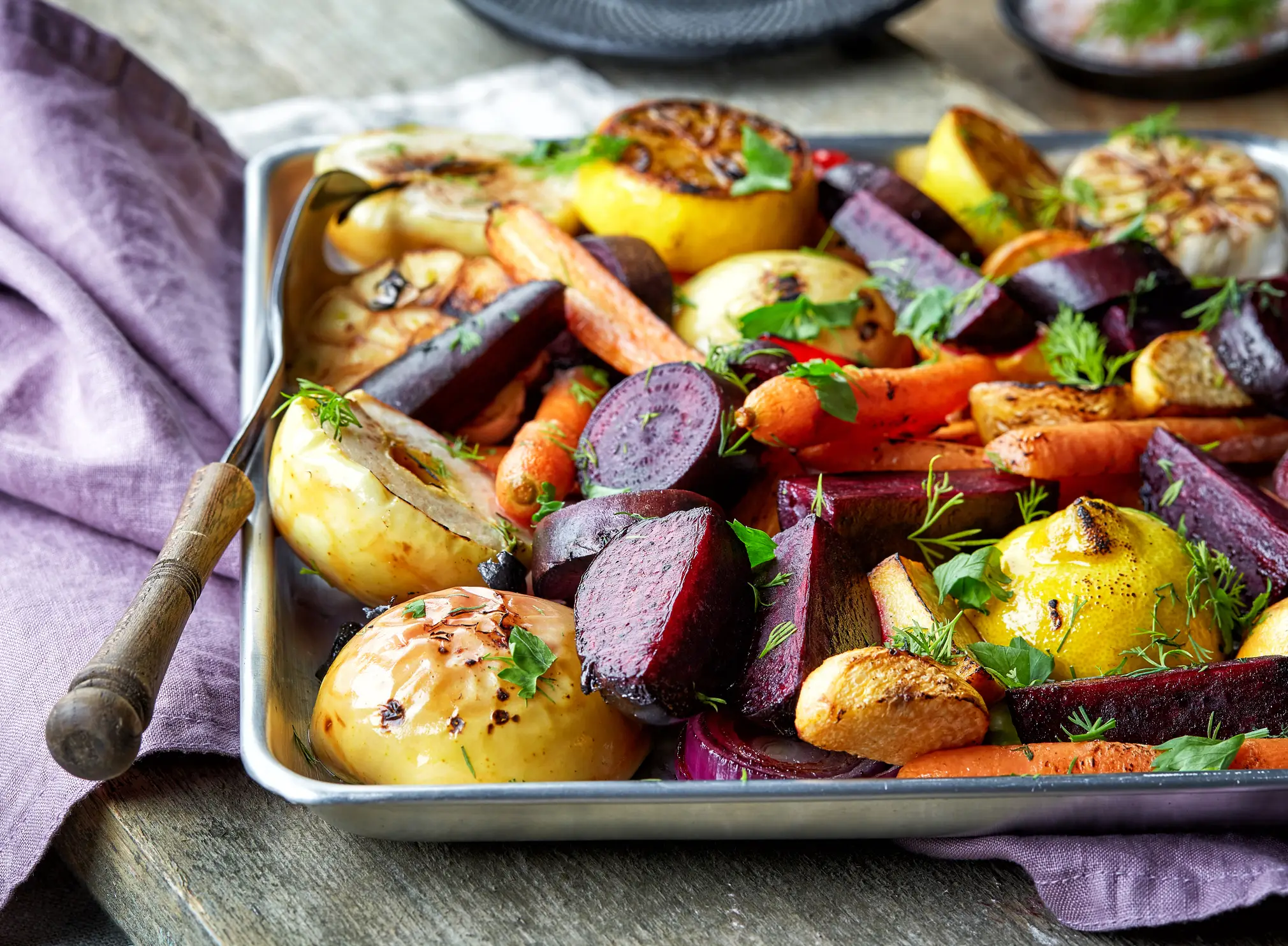
What makes this combination so effective is how the pieces work together. Katz says: “It’s a high-quality diet that’s firing on all cylinders.” The foods are rich in antioxidants and fibre, both of which help reduce inflammation, which is a key driver of chronic disease.
Laura Chiavaroli, assistant professor of nutritional sciences at the University of Toronto, says: “The components of the Nordic diet, especially the fruits and vegetables, are rich sources of antioxidants.”
There are practical benefits, too. Whole grains such as rye and barley have a lower glycaemic index, helping to regulate blood sugar, while omega-3 fats from oily fish support heart and brain health. The diet has also been linked to better sleep and improved physical performance in older adults.
Joan Salge Blake, clinical professor of nutrition at Boston University, explains: “What makes the Nordic diet so healthy is there are a lot of things working together—it’s likely a combination of foods that reduce inflammation and the risk of all these leading causes of death.”
 Ben Williams