
Little-known 'Biblio diet' takes inspiration from unexpected place

A healthy, balanced diet is essential for making sure our bodies get the nutrients and energy it needs to function properly.
Not only does eating a range of food allow our organs to work, but it can also reduce the risk of serious illnesses, including cancer.
The NHS classifies a balanced diet as an eating pattern that includes a wide variety of components, including: carbohydrates, proteins, fats, vitamins, minerals, and fibre.
However, some people tend to take a more restrictive approach - opting to follow predominantly plant-based plans, such as the TB12 diet, or the high-fat, low-carb ketogenic diet.
Advert
Robert F Kennedy Jr, the US Health and Human Services secretary, predominantly eats red meat and fermented foods, while fashion designer Victoria Beckham previously revealed she centred her own eating habits on aspects of the Mediterranean diet, according to Net-A-Porter.
There’s another popular plate set-up which you may currently be unaware of - the Biblio diet.
Although extremely new, the intuitive, easy-to-follow plan has already been hailed as transformative.
Here’s everything you need to know about the Biblio diet, including where the founders got their inspiration from.
What is the Biblio diet?
The biblio diet, first refined by Dr Joshua Axe, a US-based doctor of natural medicine and clinical nutritionist, and later developed in collaboration with author Jordan Rubin, is a holistic health plan, promising to ‘create lasting health and wellbeing’.
Combining biblical principles and scripture with health advice, the diet provides a faith-based blueprint for healthy living through diet and exercise, as per a cookbook published in September 2025.
“Experience health and freedom like you never have before when you learn to live the Bibliotarian way.”
What can you eat on the Biblio diet?
Followers of the Biblio diet are advised to only eat food that is mentioned in the Bible.
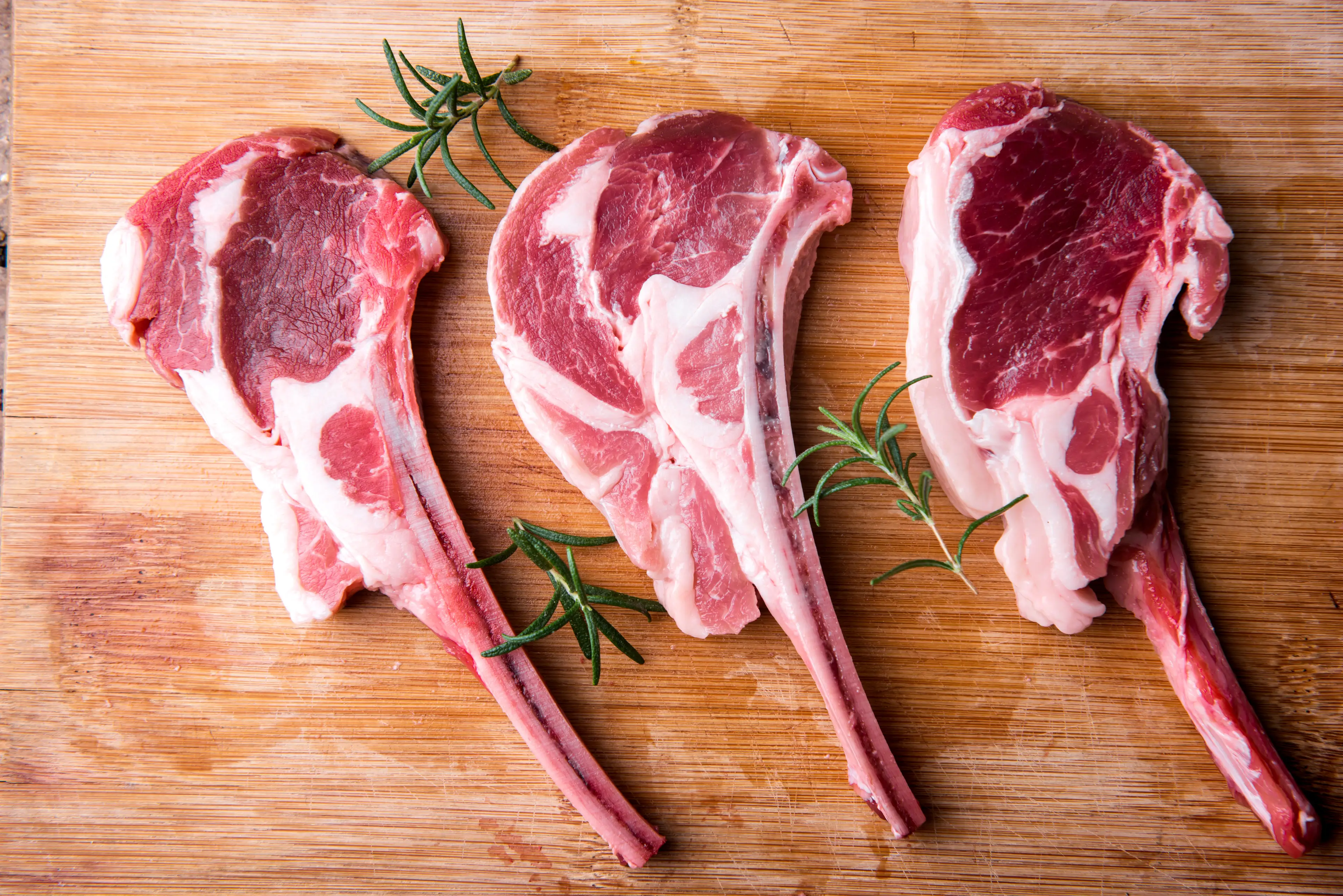
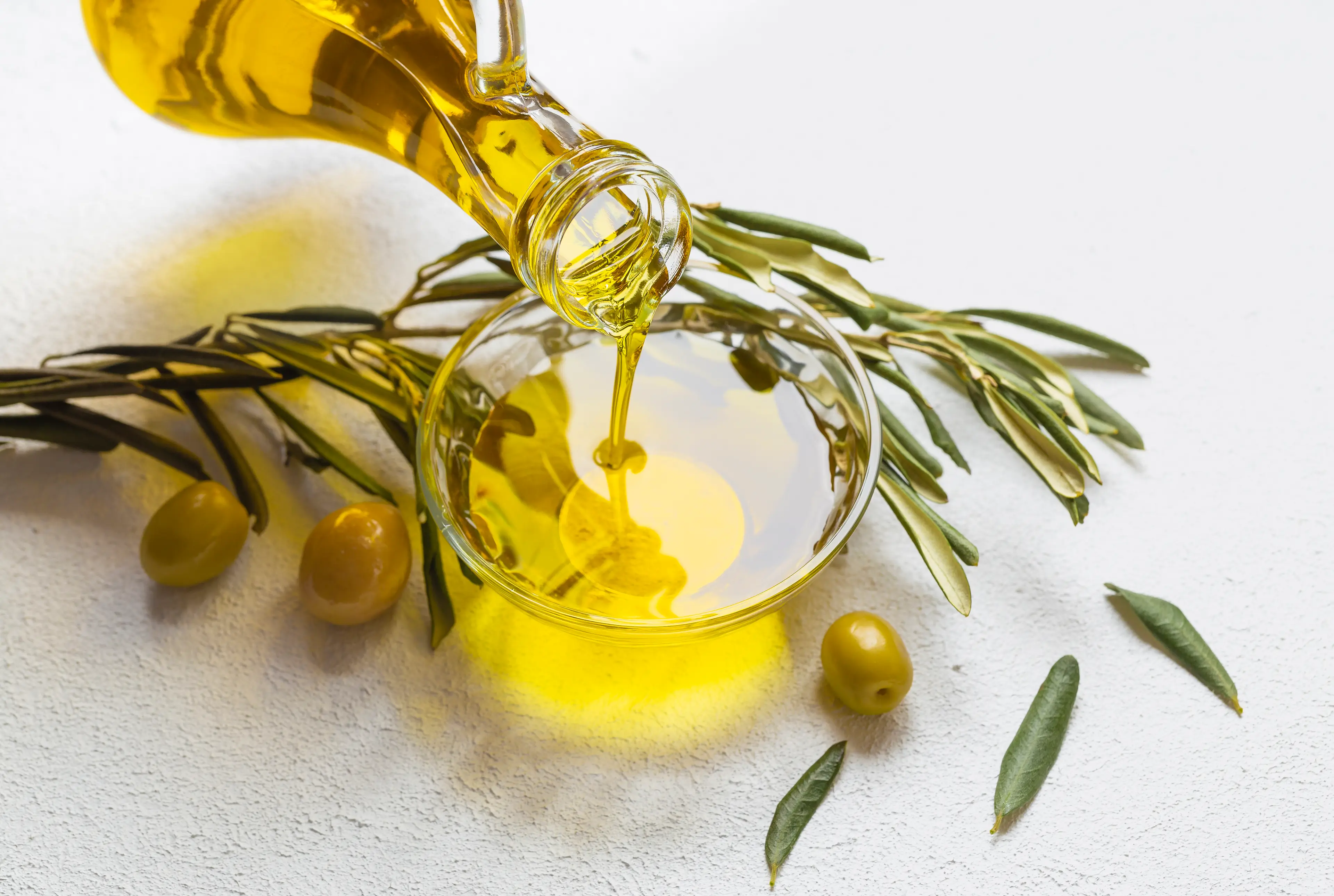
This may include red meat, olive oil, fruits like pomegranates, grapes, and figs, olives, almond, and raw honey.
The Christian holy book also mentions raw goat milk, flax seed, bitter herbs like coriander and parsley, and cruciferous vegetables, such as broccoli, cabbage, kale, and radishes.
Even though the new US dietary guidelines suggest that you should limit consumption of bread, Rubin claimed otherwise.
"Properly sourced and properly prepared grains can be a part of a healthy diet,” he told Fox News.
"With Jesus being called the bread of life, it wouldn’t make sense if bread was bad for everyone. The way it’s processed and preserved matters.”
He also noted that dairy can be ‘very healthy’ as long as it is ‘whole, raw, and grass-fed’.
A good rule of thumb is to look at the food that Moses would’ve eaten if he lived today, the experts reasoned.
What foods should you avoid on the Biblio diet?
While lamb and beef are on the cards, pork should be avoided at all costs.
This is because in the Christian holy book, swine are described as an ‘abomination’ and ‘unclean’.
Moreover, shrimp, fish without fins and scales, and ‘other scavengers’ shouldn’t be consumed on the Biblio diet, with Rubin reasoning these animals ‘don’t have the system to properly process toxins’.
Processed foods, added sugars and sweeteners, pastries, white rice, and artificial flavours, are also forbidden.
Other biblical health practices
The Biblio diet isn’t just about food. Instead, Dr Axe and Rubin suggest dipping your toe into fasting.
“There’s no doubt that fasting is one of the greatest healing breakthroughs someone can experience,” the former alleged.
"I can tell you personally [that] spiritual growth [brings a] deeper connection to God [and] clearer thinking — the ability to hear God’s voice," he added.

However, the founders stress that it isn’t a one-size-fits-all solution. Meaning that if you don’t fancy going 10 hours without food, you don’t have to.
The pair also said that if you love waffles, pizzas, and cookies, then you don’t have to go without - just be sure to make the items with ‘wholesome, Bible-approved ingredients’.
Moreover, the authors suggest pairing your healthy eating with walking.
“Walking is convenient, easy on joints, revs metabolism and helps prevent dozens of diseases,” Rubin alleged, as per Women’s World.
 Ella Scott