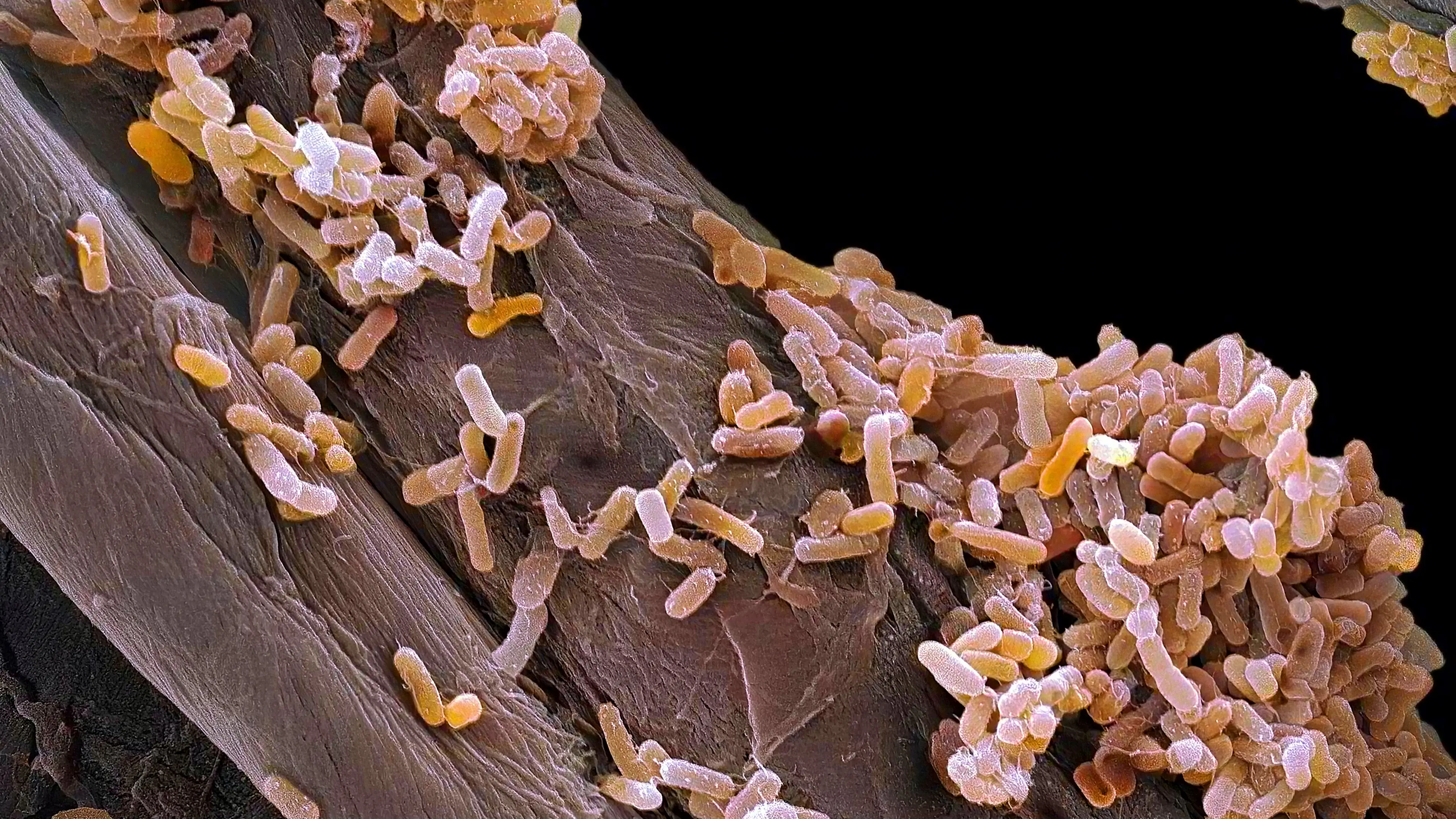
Salmonella outbreak leaves 1 dead and more than 100 ill across Europe

More than 100 people across 11 countries, including the United Kingdom, Finland, and the Netherlands, have fallen ill as part of an unprecedented Salmonella outbreak linked to a popular salad topper, the European Centre for Disease Prevention and Control (ECDC) confirmed.
At the time of reporting, there have been 109 confirmed cases of Salmonella Bovismorbificans infections, predominantly affecting adult females between January and May 2026, as reported by the European Food Safety Authority (EFSA).
In a Rapid Outbreak Assessment published by EFSA and ECDC, it was stated that the countries impacted by the outbreak are: Austria, Belgium, Czechia, Denmark, Finland, Germany, Ireland, Luxembourg, Spain, the Netherlands, and Britain.
Epidemiological and microbiological investigations suggest that alfalfa sprouting seeds traded from Italy are the primary vehicle of infection.
Advert

The bean sprout, which resembles cress, is used to add crunch to salads and sandwiches and is a great source of vitamins K and C, folate, and copper.
According to the Rapid Alert System for Food and Feed (RASFF) alert, clover seeds, broccoli seeds, and radish seeds from Italy have also been blamed for the outbreak.
18 cases of Salmonella infection - which can cause gastrointestinal issues and nausea - have required medical assistance in the hospital.
Two deaths have been reported in Finland, one of which has been confirmed, while health officials described the other as a ‘probable case’.
It’s understood that all patients range in age from four to 88 years old.
The EFSA wrote that the outbreak strain presumably started circulating in Europe in October 2025 via two alfalfa seed consignments from India before being distributed across multiple countries.
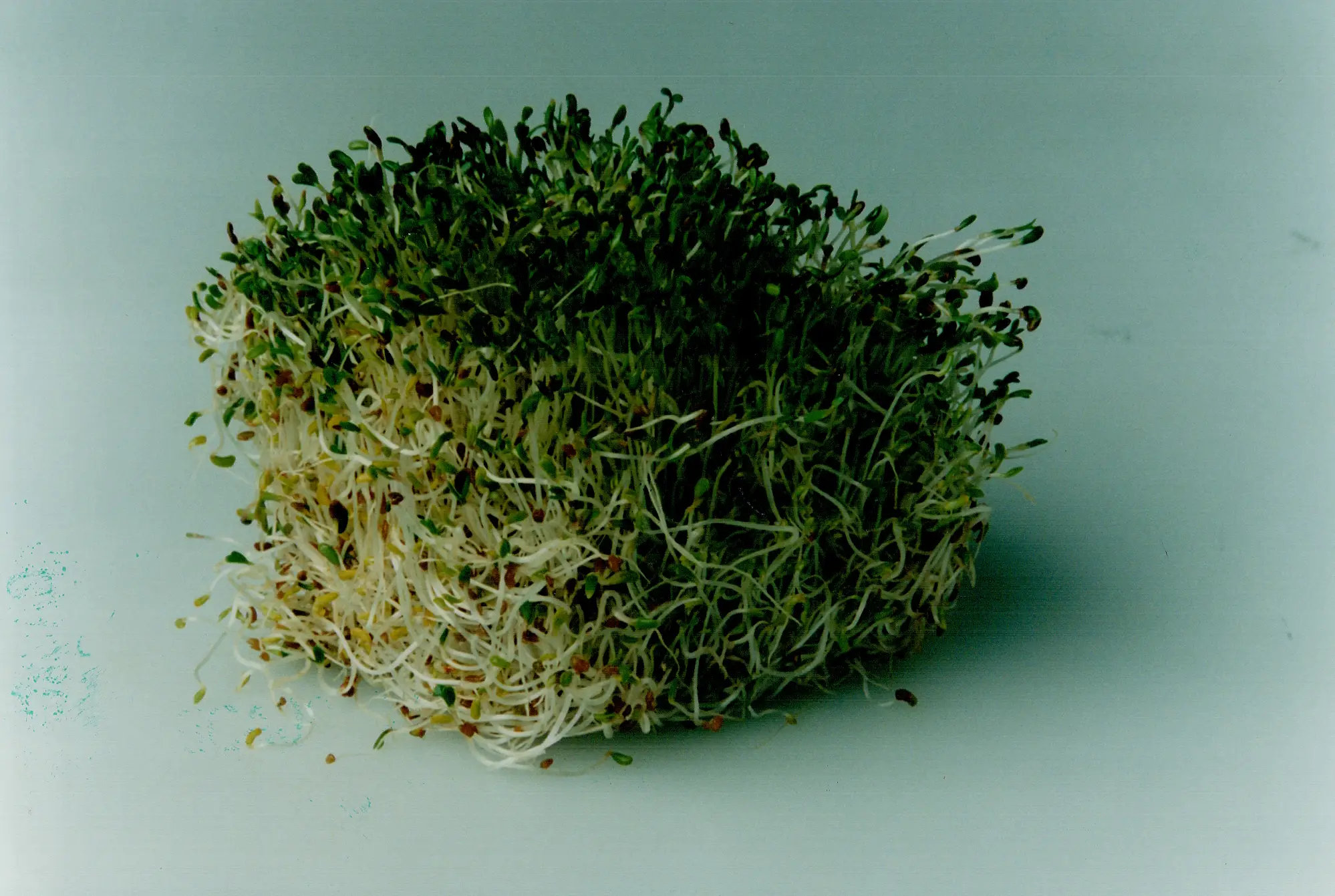
Microbiological evidence included the detection of the outbreak strain in water samples collected during alfalfa sprouted seed harvesting in the Netherlands and Northern Ireland, officials stated.
Authorities in the affected areas have implemented various control measures, including removing the implicated seed batches from sale and putting out recall notices.
Suspected products have also been destroyed, acording to the ECDC.
“Since these actions have been implemented, case numbers have decreased,” experts wrote. “However, further infections cannot be ruled out until the source of contamination has been fully identified and controlled.”
Despite the multi-country outbreak, there were no new cases reported in June, with experts stating that the risk for people who frequently consume sprouted seeds is assessed ‘as low to moderate’.
The ECDC has stated that public health and food safety authorities are being ‘encouraged to continue investigating new cases and sharing data, and to ensure that appropriate prevention and control measures remain in place’.
“Consumers are encouraged to follow proper hygiene practices at home, including rinsing fresh produce and following the manufacturer’s instructions when handling and consuming sprouted seeds.”
The current alfalfa sprouts outbreak follows another salmonellosis outbreak linked to alfalfa sprouts that occurred between January 2023 and January 2025.
More than 500 people in ten countries were sickened by the previous outbreak, with three growers from the same growing region in Italy identified as the origin of the implicated sprout seeds, as per Food Safety Magazine.
 Ella Scott