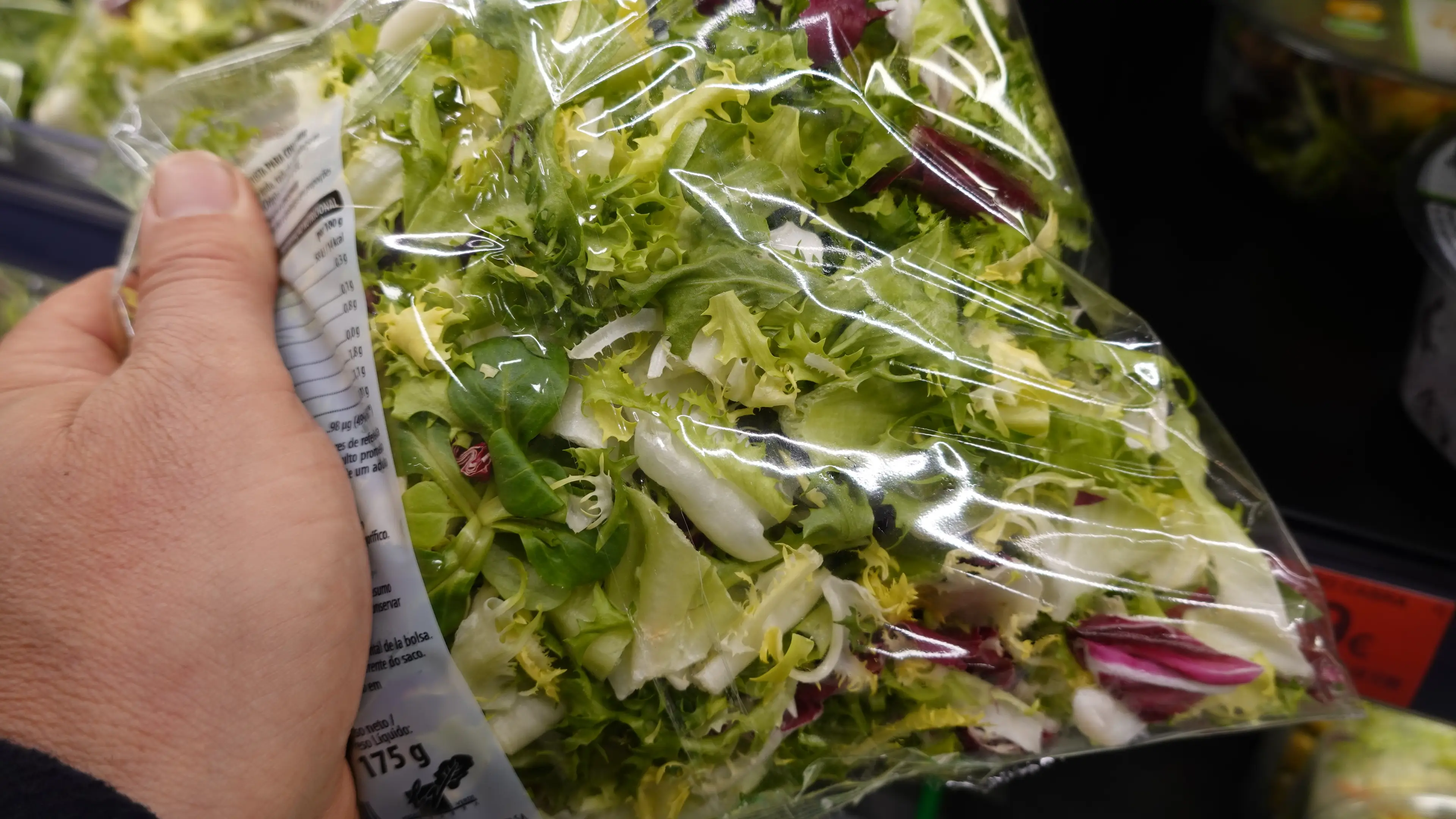
Microbiologist warns she 'wouldn't touch bagged salad in a million years'

Reports of ‘explosive diarrhoea’ linked to a deadly outbreak of cyclosporiasis continue to come thick and fast, with health officials now believing more than 22,000 people have been infected.
Amid the parasitic epidemic, which has claimed the lives of two people, a doctor in the United Kingdom has revealed why lettuce and other supermarket salad items are best avoided.
Outbreak of cyclosporiasis in the United States
Tens of thousands of people across 47 states are currently suffering from the parasitic infection, which causes symptoms such as fever, weight loss, and excessive gas.
One of the items linked to the outbreak is shredded lettuce distributed by Taylor Farms, as per an FDA notice.
Advert
“Taylor Farms de Mexico of Guanajuato, Mexico is voluntarily removing all iceberg lettuce sourced from central Mexico from the U.S. market, because it has the potential to be contaminated with Cyclospora,” the note read.
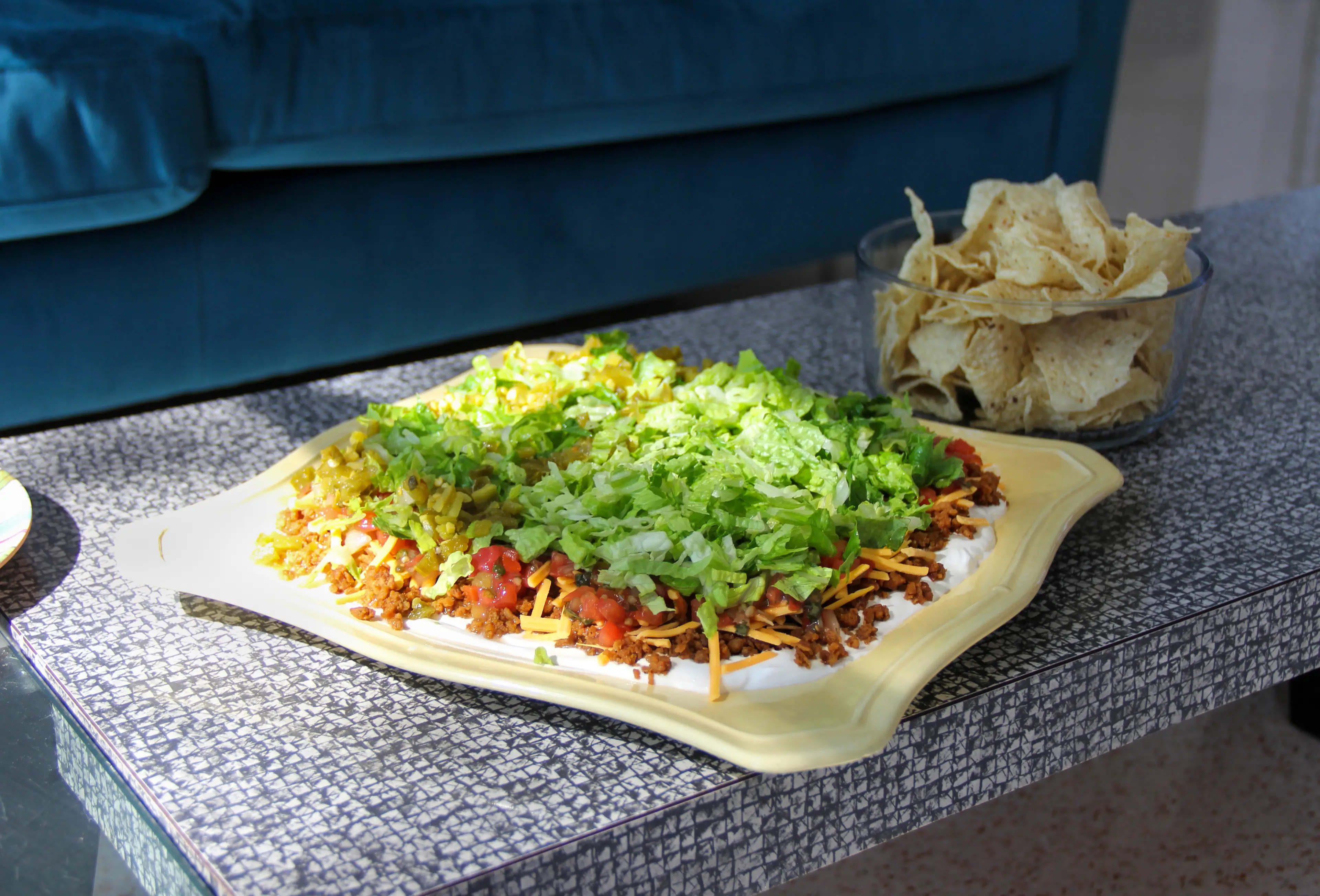
“We are actively removing the implicated products. The company has stopped receiving product from the implicated lot, suspended distribution of the iceberg lettuce from Central Mexico, notified our customers, and we are continuing to work with the FDA, CDC, and state authorities.”
The news came as Taco Bell removed the item from sale.
Why scientist doesn’t eat fresh salad items
Amid the outbreak, Dr Primrose Freestone, an associate professor of clinical microbiology at the University of Leicester, has explained exactly why she steers clear of lettuce and other salad items on a daily basis.
Her confession comes after spending more than a decade researching salad leaves.
In a new interview with The Times, she admitted that she ‘wouldn’t touch a bagged salad in a million years’ because, as most salad items are taken from the ground and eaten raw, there’s always ‘a risk’ of illness.
“There are so many opportunities in the way salads are grown and handled that allow for infection to jump in,” Dr Freestone informed the publication
“Flies, wasps and other critters carry contamination, adding to the issue at this time of year.
“They can all carry pathogenic bacteria, including E coli, Salmonella and Listeria, onto fresh produce. Salad, lettuce and side salad infections can kill.”
How to lower the risk of contamination at home
Dr Freestone has advised avoiding washed, bagged salad - especially containing spinach - as they are the ‘perfect breeding ground for bacteria’, including Salmonella.
However, if you must purchase bagged salads, be sure to refrigerate them and immediately rinse your leaves under a running tap before consuming.
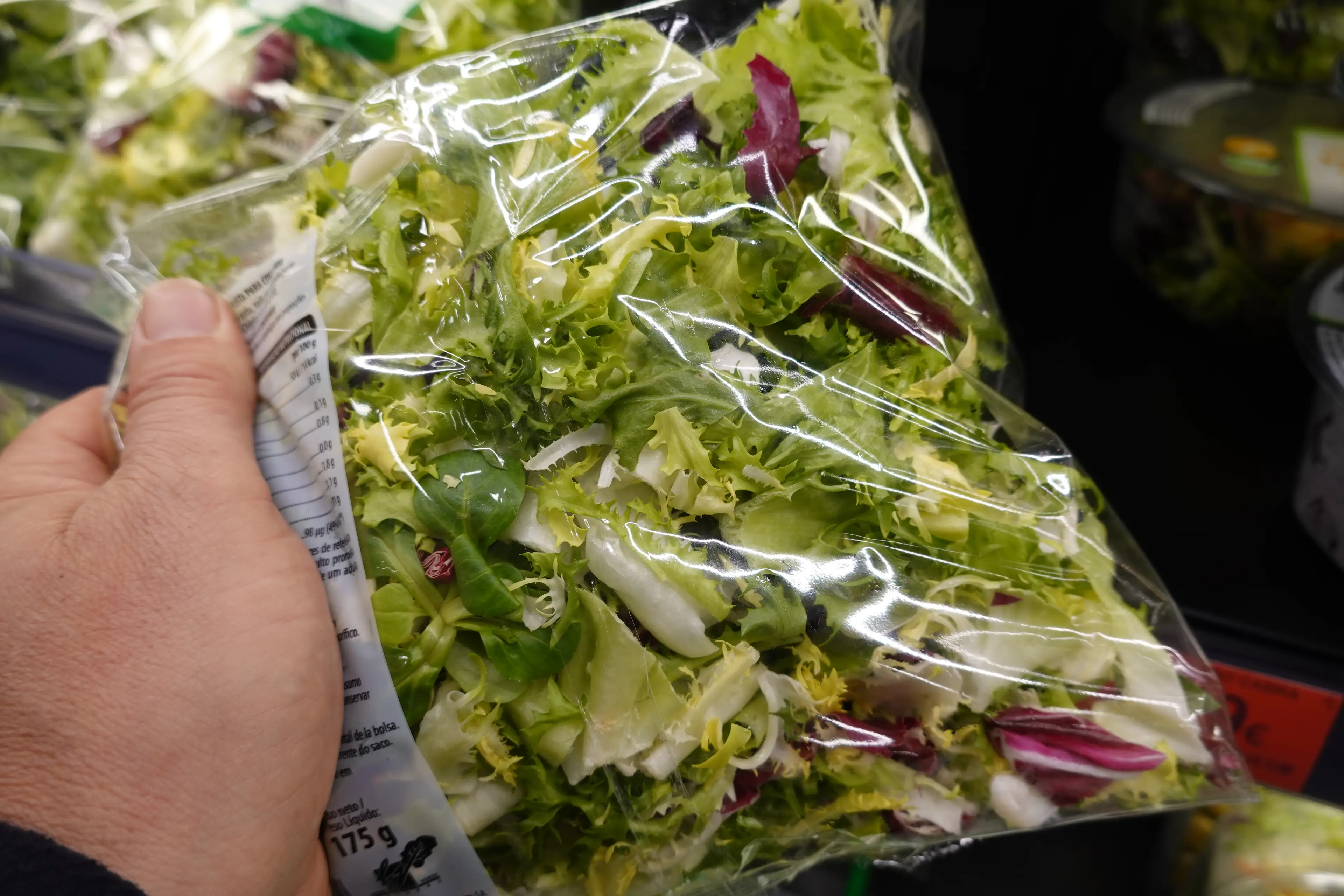
“Using tap water is fine as it is clean and provides enough of a shear force to remove debris,” she informed the publication.
Be warned: this only reduces the risk of contamination; it does not eliminate it completely.
Store salad for only one week. If leaves become wet or darker in colour, then it’s time to chuck it away.
Avoid salad when you’re eating out
You may be tempted to take advantage of an all-you-can-eat salad bar when you’re out wining and dining.
However, Dr Freestone has made a serious case for not digging into side salads with your main meal.
She told The Times that side salads can often be health risks as it’s impossible to know how old the leaves are and how long they have been out of the fridge for.
“They really are best avoided when eating out,” she claimed.
Instead of fresh vegetables, opt for cooked sides such as tenderstem broccoli or warm grains with roasted root vegetables.
The Dirty Dozen 2026
As well as the ability to make you ill, many salad items are covered in pesticide residue.
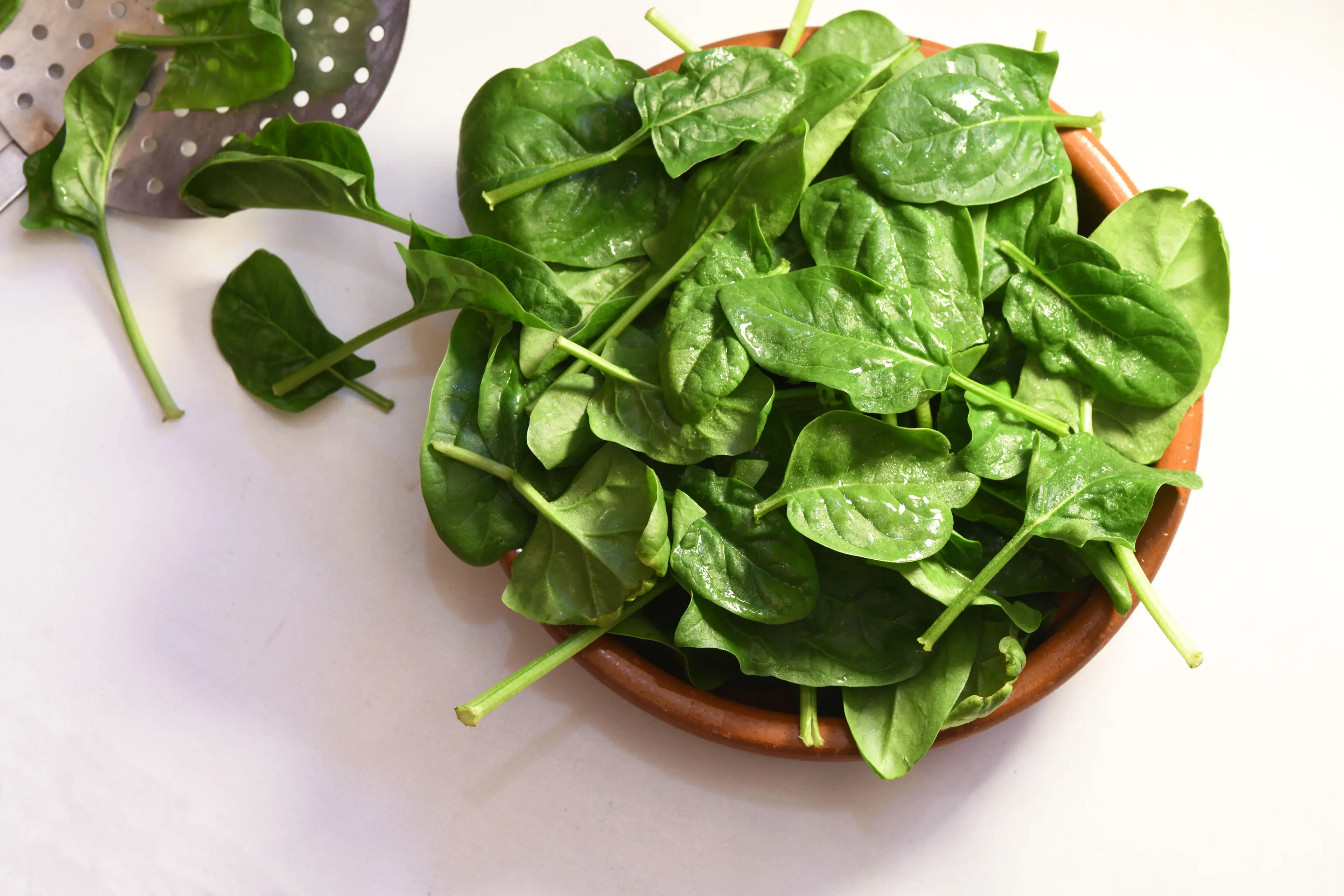
Introducing the Dirty Dozen: a list of 12 vegetables and fruits the Environmental Working Group claims are the most contaminated items in supermarkets.
Spinach and kale top the list, followed by collard and mustard greens and potatoes.
In terms of fruit, strawberries, grapes and nectarines are listed alongside peaches, cherries, apples, blackberries, pears, and blueberries.
As noted by Simply Recipes, washing fruit and vegetables in a solution of water and baking soda helps reduce leftover pesticide residues.
Alternatively, check out the EWP’s Clean Fifteen list for the lowest pesticide alternatives to swap some of the Dirty Dozen with.
 Ella Scott